THE EUROPEAN PEACE FACILITY In an era of strategic competition and complex security threats, the European Peace Facility (EPF) expands the EU’s ability to provide security for its citizens and its partners. It enables the EU to provide all types of military equipment and security infrastructure to EU partners, in compliance with the highest human rights standards. Investing in peace and security The EPF maximises the impact, effectiveness and sustainability of overall EU external action in peace and security: delivery of military equipment and security infrastructure a rapidly deployed support to EU partners respect of highest International Human rights standards €5 BILLION (2021-2027) The EPF is a fund worth €5 billion financed outside the EU Budget for a period of seven years (2021-2027), with a single mechanism to finance all Common Foreign and Security Policy (CFSP) actions in military and defence areas. SUPPORTING SECURITY AND DEFENCE GLOBALLY With the EPF, the EU: 耳§ 鄭 funds the common costs of military CSDP missions and operations; supports Peace Support Operations conducted by international and regional organisations, as well as partner countries around the world; strengthens the capacities of third States and regional and international organisations relating to military and defence matters (e.g. providing lethal and non-lethal military equipment for the armed forces or infrastructure for security purposes). MONITORING AND COMPLIANCE The EPF includes measures to: ensure an adequate risk assessment and mitigating measures in compliance with international human rights law, international humanitarian law and EU arms export laws; monitor the respect of international law and commitment by the beneficiary at country level and headquarters; allow civil society to report on violations of human rights and international humanitarian law. Assistance under the EPF can be suspended or terminated any time by the Council in case of infringement and/or abuse. 2 THE EUROPEAN PEACE FACILITY ASSISTANCE MEASURES ADOPTED TO DATE EASTERN NEIGHBOURHOOD -Ukrainian Armed Forces (EUR 31 million) 一 field hospitals and medical equipment, demining and engineering equipment, ground mobility, logistical assets and cyber-defence; (EUR 500 million) military equipment (lethal and non-lethal) to support them to defend their territory and population against Russia’s aggression. -Georgian Defence Forces (EUR 12.75 million) 一 medical and engineering equipment, ground mobility assets -Armed Forces of the Republic of Moldova (EUR 7 million) 一 medical equipment and explosive ordnance disposal equipment WESTERN BALKANS -Armed Forces of Bosnia and Herzegovina (EUR 10 million) — transportation and medical vehicles, metal detectors AFRICA AFRICA -Somali National Army (EUR 20 million) — rehabilitation works at the training facility, basic personal equipment for trainees, the payment of the training centre’s running costs, non-lethal equipment -African Union Mission in Somalia (AMISOM) (EUR 65 million) 一 troop allowances, mission subsistence allowances for high-ranking officers, death and disability compensation -G5 Sahel Joint Force (Mauritania, Mali, Burkina Faso, Niger, Chad) (EUR 35 million) — equipment for increasing resilience, infrastructure improvements, maintenance of equipment -Multi-National Joint Task Force against Boko Haram (MNJTF: Cameroon, Chad, Niger, Nigeria) (EUR 10 million) — command and control, air mobility, logistic support and medical support, support for limited running costs and per diems for MNJTF HQ The EU follows very closely the developments in Mali. Member States have the possibility to suspend or terminate an assistance measure at any time. Provision of military equipment in relation to CSDP missions/operations: -Mozambican Armed Forces / EU Training Mission in Mozambique (EUR 44 million) 一 ground and amphibious mobility assets, technical devices and a field hospital -Malian Armed Forces / EU Training Mission in Mali* (EUR 24 million) 一 support to the Non-Commissioned Officers’ Academy in Banankoro, renovating training infrastructure in Sevare-Mopti and non-lethal equipment Continuation of support to military components of African-led Peace Support Operations as previously funded under the African Peace Facility. An assistance measure taking the form of a general programme for support to the African Union in 2021 (EUR 130 million) under which: STRATEGIC COMPASS
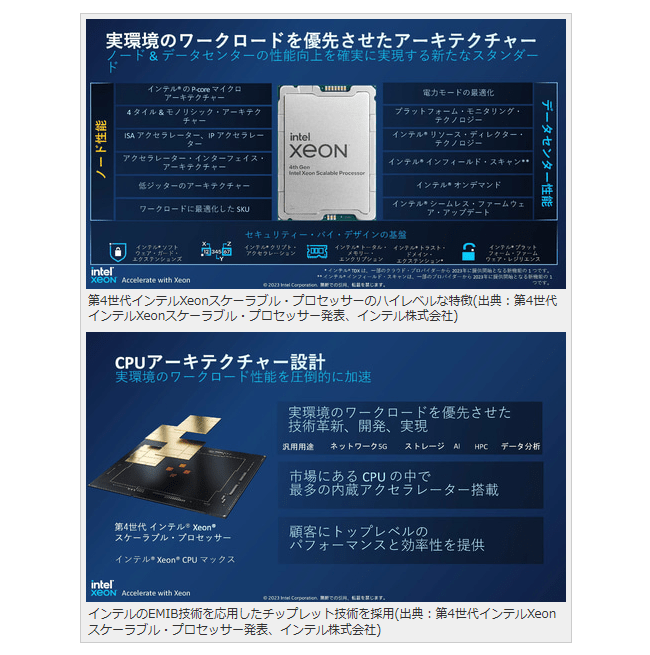
また、そうした特徴を実現するハードウエアを提供することで、顧客となるCSPやエンタープライズといった、従来Xeonスケーラブル・プロセッサーが採用されていた領域だけでなく、近年インテルアーキテクチャの導入が増加している、SDN(Software Defined Network)と呼ばれる仮想化技術を活用した5Gのバックエンド通信機器などにも、普及を目指していく。 インテルのデータセンターソリューションは、リアルワークロード性能、オープンプラットフォーム、サステナブルに要注目 インテル株式会社マーケティング本部本部長の上野晶子氏
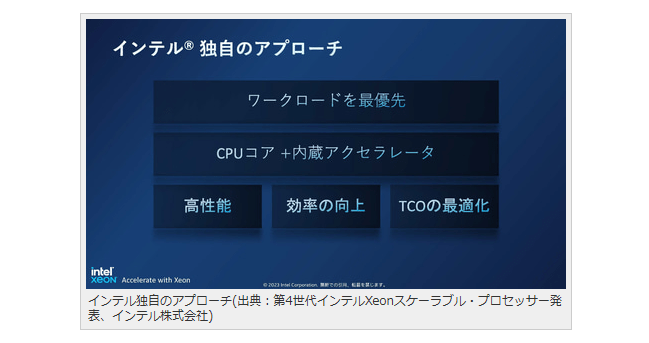
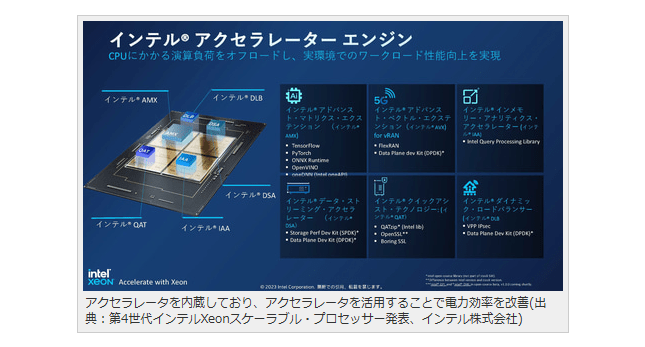
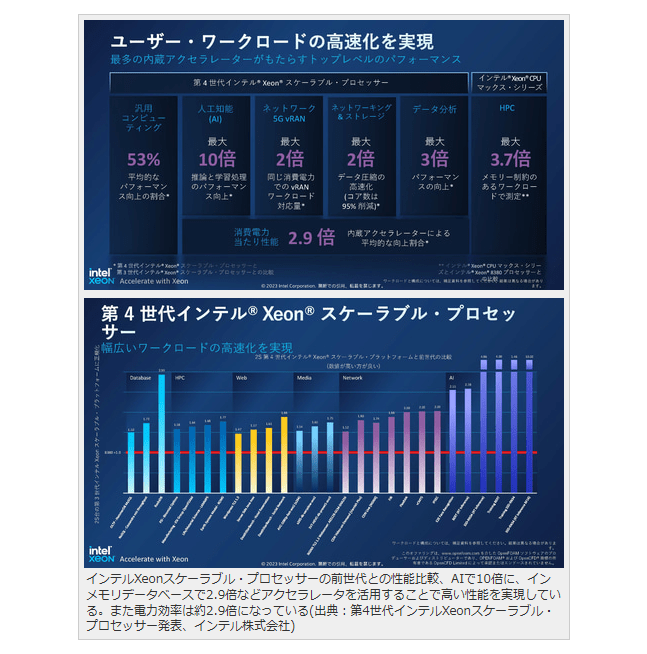
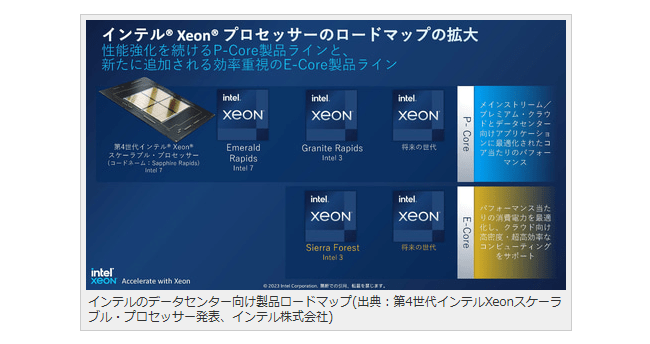
インテルXeonスケーラブル・プロセッサーは、1997年の最初の製品(当時はPentium II Xeonブランド)の出荷から現在に至るまでデータセンターで採用されているCPUとしてトップシェアの製品だ。それだけ多くのユーザーに支持されているのも、リアルワークロードでの性能が支持されているからにほかならない。実際に自社のデータセンターで稼働させると、高性能と消費電力がバランスよく実現される。それがインテルXeonスケーラブル・プロセッサーなのだ。 インテル独自のアプローチ(出典:第4世代インテルXeonスケーラブル・プロセッサー発表、インテル株式会社)
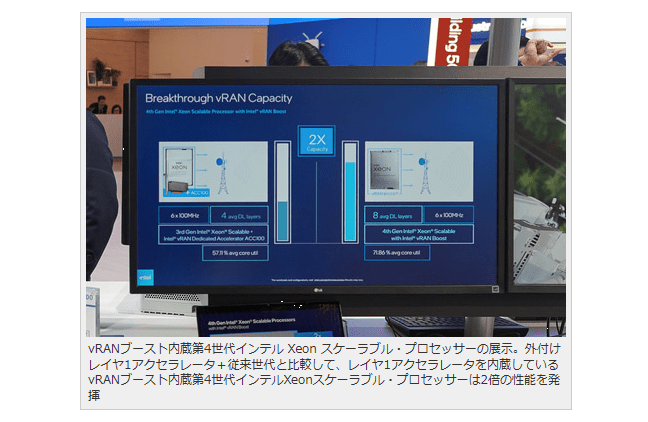
現在ワイヤレス通信業界では、従来型の固定機能を持つハードウエアを、汎用プロセッサ+ソフトウエアで置きかえるSDN(Software Defined Network)と呼ばれる取り組みへのシフトが急務となっている。その背景には5Gの本来の性能を発揮させるため、4G/LTE世代のハードウエアを一部使用するNSA(Non Stand Alone)方式から、SA(Stand Alone)方式への移行が進んでいるという事情がある。SA方式では5Gに対応したコアネットワークが必要になるため、その導入を機に従来の固定機能のハードウエアからSDNへと移行する通信キャリアが少なくないのだ。
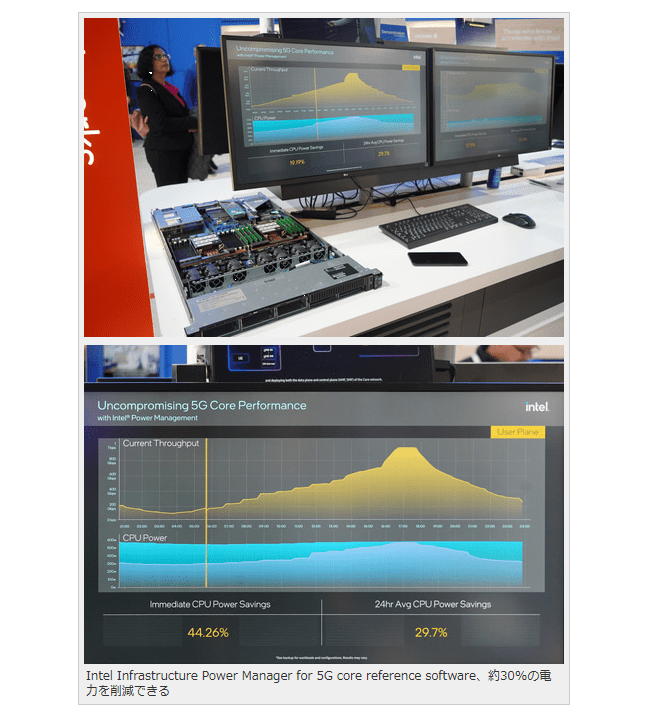
今後インテルは、さらなる消費電力の削減にも取り組んでいく。MWCの会場では「Intel Infrastructure Power Manager for 5G core reference software」という省電力削減ツールを提供することを明らかにしており、そのツールを利用すると、コアネットワークの電力を30%削減できるとアピールしていた。 Intel Infrastructure Power Manager for 5G core reference software、約30%の電力を削減できる 通信キャリアなどの新しい領域を切り開いていく第4世代インテルXeonスケーラブル・プロセッサー