ABOUT ME 歴ブロ・歴ぴよ 歴ブロ・歴ぴよ 歴史好きが高じて日本史・世界史を社会人になってから勉強し始めました。基本的には、自分たちが理解しやすいようにまとめてあります。 日本史を主に歴ぴよが、世界史は歴ぶろが担当し2人体制で運営しています。史実を調べるだけじゃなく、漫画・ゲーム・小説も楽しんでます。 いつか歴史能力検定を受けたいな。 どうぞよろしくお願いします。 』
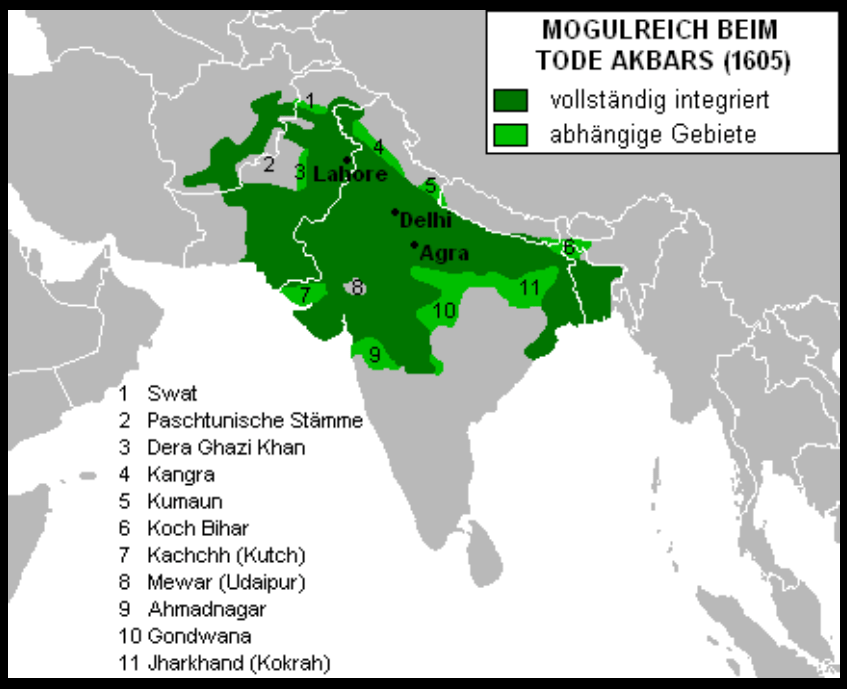
^ ムバル帝国の版図(地図) 1 スワート(英語) 2 パストゥーン人(英語) 3 デーラー・ガーズィー・ハーン(英語) 4 カングラー県(英語) 5 クマーウーン 6 クーチ・ビハール王国 7 カッチ藩王国(英語) 8 メーワール王国(シソーディヤー王朝)(英語) 9 アフマドナガル王国 10 ゴンドワナ地方(英語) 11 ジャールカンド州 ^ 凡例:黄色=バーブル死亡時。オレンジ色=アクバル死亡時。赤色=アウランガゼブ死亡時、ただしマラーター王国領を除外。(正確性に疑問のある地図も参照) ^ 原書は1907年発行、Joppen, Charles SJ.. A Historical Atlas of India for the use of High-Schools, Colleges, and Private Students. London, New York, Bombay, and Calcutta: Longman Green and Co.全16頁、地図26点収載。 出典 ^ Richards, John F. (1995) (英語). The Mughal Empire. Cambridge University Press. p. 2. ISBN 978-0-521-56603-2. “Although the first two Timurid emperors and many of their noblemen were recent migrants to the subcontinent, the dynasty and the empire itself became indisputably Indian.” ^ Stein, Burton (2010). A History of India. John Wiley & Sons. pp. 159–. ISBN 978-1-4443-2351-1. “The realm so defined and governed was a vast territory of some 750,000平方マイル (1,900,000 km2), ranging from the frontier with Central Asia in northern Afghanistan to the northern uplands of the Deccan plateau, and from the Indus basin on the west to the Assamese highlands in the east.” ^ Stein, Burton (2010) (英語). A History of India. John Wiley & Sons. pp. 159–. ISBN 978-1-4443-2351-1. “Another possible date for the beginning of the Mughal regime is 1600, when the institutions that defined the regime were set firmly in place and when the heartland of the empire was defined; both of these were the accomplishment of Babur’s grandson Akbar.” ^ Stein, Burton (2010) (英語). A History of India. John Wiley & Sons. pp. 159–. ISBN 978-1-4443-2351-1. “The imperial career of the Mughal house is conventionally reckoned to have ended in 1707 when the emperor Aurangzeb, a fifth-generation descendant of Babur, died.” ^ Richards, John F. (1995) (英語). The Mughal Empire. Cambridge University Press. p. xv. ISBN 978-0-521-56603-2. “By the latter date (1720) the essential structure of the centralized state was disintegrated beyond repair.” ^ Stein, Burton (2010) (英語). A History of India. John Wiley & Sons. pp. 159–. ISBN 978-1-4443-2351-1. “The vaunting of such progenitors pointed up the central character of the Mughal regime as a warrior state: it was born in war and it was sustained by war until the eighteenth century, when warfare destroyed it.” ^ Robb, Peter (2011) (英語). A History of India. Macmillan. pp. 108–. ISBN 978-0-230-34549-2. “The Mughal state was geared for war, and succeeded while it won its battles.” ^ Gilbert, Marc Jason (2017) (英語). South Asia in World History. Oxford University Press. pp. 75–. ISBN 978-0-19-066137-3. “With Safavid and Ottoman aid, the Mughals would soon join these two powers in a triumvirate of warrior-driven, expansionist, and both militarily and bureaucratically efficient early modern states, now often called “gunpowder empires” due to their common proficiency is using such weapons to conquer lands they sought to control.” ^ Asher, Catherine B.; Talbot, Cynthia (2006) (英語). India Before Europe. Cambridge University Press. pp. 115–. ISBN 978-0-521-80904-7 ^ Robb, Peter (2011) (英語). A History of India. Macmillan. pp. 99–100. ISBN 978-0-230-34549-2 ^ Asher, Catherine B.; Talbot, Cynthia (2006) (英語). India Before Europe. Cambridge University Press. pp. 152–. ISBN 978-0-521-80904-7 ^ Stein, Burton (2010) (英語). A History of India. John Wiley & Sons. pp. 164–. ISBN 978-1-4443-2351-1. “The resource base of Akbar’s new order was land revenue” ^ Asher, Catherine B.; Talbot, Cynthia (2006) (英語). India Before Europe. Cambridge University Press. pp. 158–. ISBN 978-0-521-80904-7. “The Mughal empire was based in the interior of a large land-mass and derived the vast majority of its revenues from agriculture.” ^ Stein, Burton (2010) (英語). A History of India. John Wiley & Sons. pp. 164–. ISBN 978-1-4443-2351-1. “… well over half of the output from the fields in his realm, after the costs of production had been met, is estimated to have been taken from the peasant producers by way of official taxes and unofficial exactions.” ^ Asher, Catherine B.; Talbot, Cynthia (2006) (英語). India Before Europe. Cambridge University Press. pp. 152–. ISBN 978-0-521-80904-7 ^ Asher, Catherine B.; Talbot, Cynthia (2006) (英語). India Before Europe. Cambridge University Press. pp. 152–. ISBN 978-0-521-80904-7. “His stipulation that land taxes be paid in cash forced peasants into market networks, where they could obtain the necessary money, while the standardization of imperial currency made the exchange of goods for money easier.” ^ Asher, Catherine B.; Talbot, Cynthia (2006) (英語). India Before Europe. Cambridge University Press. pp. 152–. ISBN 978-0-521-80904-7. “Above all, the long period of relative peace ushered in by Akbar’s power, and maintained by his successors, contributed to India’s economic expansion.” ^ Asher, Catherine B.; Talbot, Cynthia (2006) (英語). India Before Europe. Cambridge University Press. pp. 186–. ISBN 978-0-521-80904-7. “As the European presence in India grew, their demands for Indian goods and trading rights increased, thus bringing even greater wealth to the already flush Indian courts.” ^ Asher, Catherine B.; Talbot, Cynthia (2006) (英語). India Before Europe. Cambridge University Press. pp. 186–. ISBN 978-0-521-80904-7. “The elite spent more and more money on luxury goods, and sumptuous lifestyles, and the rulers built entire new capital cities at times.” ^ Asher, Catherine B.; Talbot, Cynthia (2006) (英語). India Before Europe. Cambridge University Press. pp. 186–. ISBN 978-0-521-80904-7. “All these factors resulted in greater patronage of the arts, including textiles, paintings, architecture, jewelry, and weapons to meet the ceremonial requirements of kings and princes.” ^ Taj Mahal: UNESCO World Heritage Center ^ Vanina, Eugenia (2012). Medieval Indian Mindscapes: Space, Time, Society, Man. Primus Books. p. 47. ISBN 978-93-80607-19-1 ^ a b c ロビンソン『ムガル皇帝歴代誌』、p. 166 ^ a b c d e f g h i ロビンソン『ムガル皇帝歴代誌』、p. 168 ^ ロビンソン『ムガル皇帝歴代誌』、p. 104 ^ ロビンソン『ムガル皇帝歴代誌』、p. 274 ^ ロビンソン『ムガル皇帝歴代誌』、p. 275 ^ バーブル自身は「ヒンドゥスターンを求める気持ちが止みがたかった」と語っている。 ^ a b c d ロビンソン『ムガル皇帝歴代誌』、p. 163 ^ ロビンソン『ムガル皇帝歴代誌』、p.171 ^ a b c d クロー『ムガル帝国の興亡』、p. 32 ^ a b c d クロー『ムガル帝国の興亡』、p. 34 ^ a b c d e クロー『ムガル帝国の興亡』、p. 35 ^ a b c クロー『ムガル帝国の興亡』、p. 36 ^ a b クロー『ムガル帝国の興亡』、p. 38 ^ a b クロー『ムガル帝国の興亡』、p. 39 ^ チャンドラ『中世インドの歴史』、p. 219 ^ ロビンソン『ムガル皇帝歴代誌』、pp. 178-179 ^ 小谷『世界歴史大系 南アジア史2―中世・近世―』、p.148 ^ a b c d e f ロビンソン『ムガル皇帝歴代誌』、p. 179 ^ a b チャンドラ『中世インドの歴史』、p. 220 ^ Studies in Mughal History – Ashvini Agrawal – Google ブックス ^ a b c 小谷『世界歴史大系 南アジア史2―中世・近世―』、p. 149 ^ a b c ロビンソン『ムガル皇帝歴代誌』、p. 180 ^ チャンドラ『中世インドの歴史』、p. 223 ^ a b c ロビンソン『ムガル皇帝歴代誌』、p. 181 ^ a b c チャンドラ『中世インドの歴史』、p. 225 ^ a b c d e f クロー『ムガル帝国の興亡』、p. 54 ^ 小谷『世界歴史大系 南アジア史2―中世・近世―』、p. 150 ^ a b c クロー『ムガル帝国の興亡』、p. 55 ^ ロビンソン『ムガル皇帝歴代誌』、p. 182 ^ a b ロビンソン『ムガル皇帝歴代誌』、p. 183 ^ クロー『ムガル帝国の興亡』、p. 56 ^ ロビンソン『ムガル皇帝歴代誌』、pp.181-183 ^ クロー『ムガル帝国の興亡』、p. 68 ^ a b ロビンソン『ムガル皇帝歴代誌』、p. 186 ^ a b c ロビンソン『ムガル皇帝歴代誌』、p. 187 ^ a b メトカーフ『ケンブリッジ版世界各国史 インドの歴史』、pp. 31-34 ^ a b ロビンソン『ムガル皇帝歴代誌』、p. 194 ^ ロビンソン『ムガル皇帝歴代誌』、p. 195 ^ a b メトカーフ『ケンブリッジ版世界各国史 インドの歴史』、pp. 36-37 ^ クロー『ムガル帝国の興亡』、p. 167 ^ クロー『ムガル帝国の興亡』、p. 168 ^ クロー『ムガル帝国の興亡』、p. 169 ^ a b ロビンソン『ムガル皇帝歴代誌』、p. 215 ^ ロビンソン『ムガル皇帝歴代誌』、p. 219 ^ クロー『ムガル帝国の興亡』、p. 196 ^ ロビンソン『ムガル皇帝歴代誌』、pp. 221-224 ^ a b クロー『ムガル帝国の興亡』、p. 218 ^ ロビンソン『ムガル皇帝歴代誌』、p. 234 ^ ロビンソン『ムガル皇帝歴代誌』、p. 238 ^ メトカーフ『ケンブリッジ版世界各国史 インドの歴史』、pp. 56-68 ^ ロビンソン『ムガル皇帝歴代誌』、p. 239 ^ メトカーフ『ケンブリッジ版世界各国史 インドの歴史』、p. 51 ^ a b ロビンソン『ムガル皇帝歴代誌』、p. 242 ^ ロビンソン『ムガル皇帝歴代誌』、p. 177 ^ 小谷『世界歴史大系 南アジア史2―中世・近世―』、p. 177 ^ ロビンソン『ムガル皇帝歴代誌』、pp. 242-243 ^ ロビンソン『ムガル皇帝歴代誌』、p. 243 ^ a b c d ロビンソン『ムガル皇帝歴代誌』、p. 244 ^ ロビンソン『ムガル皇帝歴代誌』、pp. 243-244 ^ クロー『ムガル帝国の興亡』、p. 259 ^ a b メトカーフ『ケンブリッジ版世界各国史 インドの歴史』、pp. 54-55 ^ ロビンソン『ムガル皇帝歴代誌』、p. 248 ^ a b ロビンソン『ムガル皇帝歴代誌』、p. 227 ^ チャンドラ『近代インドの歴史』、p. 4 ^ a b c ロビンソン『ムガル皇帝歴代誌』、p. 249 ^ ロビンソン『ムガル皇帝歴代誌』、p. 250 ^ ロビンソン『ムガル皇帝歴代誌』、p. 251 ^ ロビンソン『ムガル皇帝歴代誌』、p. 252 ^ a b c d ロビンソン『ムガル皇帝歴代誌』、p. 253 ^ チャンドラ『近代インドの歴史』、p. 9 ^ Short Essay on British Supremacy in South India ^ Hyderabad Events and dates, Important history dates for hyderabad ^ 辛島『世界歴史大系 南アジア史3―南インド―』、p. 172 ^ a b c d メトカーフ『ケンブリッジ版世界各国史 インドの歴史』、pp. 49-52 ^ チャンドラ『近代インドの歴史』、p. 31 ^ 小谷『世界歴史大系 南アジア史2―中世・近世―』、p. 219 ^ ロビンソン『ムガル皇帝歴代誌』、p. 313 ^ a b c チャンドラ『近代インドの歴史』、p. 10 ^ a b c d e ロビンソン『ムガル皇帝歴代誌』、p. 254 ^ a b 小谷『世界歴史大系 南アジア史2―中世・近世―』、p. 227 ^ ロビンソン『ムガル皇帝歴代誌』、pp. 253-254 ^ a b 小谷『世界歴史大系 南アジア史2―中世・近世―』、p. 228 ^ ロビンソン『ムガル皇帝歴代誌』、p. 255 ^ a b c d e f g ロビンソン『ムガル皇帝歴代誌』、p. 256 ^ a b c d e 小谷『世界歴史大系 南アジア史2―中世・近世―』、p. 218 ^ a b ロビンソン『ムガル皇帝歴代誌』、p. 257 ^ a b c d e ロビンソン『ムガル皇帝歴代誌』、p. 258 ^ Advanced Study in the History of Modern India 1707-1813 – Jaswant Lal Mehta – Google Books ^ Delhi 12 ^ a b c Delhi 13 ^ a b c d ロビンソン『ムガル皇帝歴代誌』、p. 264 ^ 小谷『世界歴史大系 南アジア史2―中世・近世―』、p. 229 ^ a b 羽田正『東インド会社とアジアの海』講談社、2007年、96-97頁。ISBN 978-4-06-280715-9。 ^ a b c d e ロビンソン『ムガル皇帝歴代誌』、p. 260 ^ a b 小谷『世界歴史大系 南アジア史2―中世・近世―』、p. 272-273 ^ Maratha Chronicles Peshwas (Part 4) A Strife Within ^ Medieval India ^ a b c d e f g h i ロビンソン『ムガル皇帝歴代誌』、p. 261 ^ ロビンソン, p. 262, 『ムガル皇帝歴代誌』 ^ ロビンソン『ムガル皇帝歴代誌』、p. 263 ^ a b c Gwalior 3 ^ チャンドラ『近代インドの歴史』、p. 35 ^ a b 小谷『世界歴史大系 南アジア史2―中世・近世―』、p. 280 ^ 1 Battles of the Honourable East India Company Making of the Raj. M. S. Naravane – Google Books ^ ガードナー『イギリス東インド会社』、p. 200 ^ a b ロビンソン『ムガル皇帝歴代誌』、p. 265 ^ a b ロビンソン『ムガル皇帝歴代誌』、p. 266 ^ ロビンソン『ムガル皇帝歴代誌』、p. 267 ^ a b c ロビンソン『ムガル皇帝歴代誌』、p. 268 ^ メトカーフ『ケンブリッジ版世界各国史 インドの歴史』、p. 142 ^ メトカーフ『ケンブリッジ版世界各国史 インドの歴史』、p. 141 ^ a b 辛島『新版 世界各国史7 南アジア史』、p. 324 ^ a b ロビンソン『ムガル皇帝歴代誌』、p. 269 ^ a b c 山田敦美 著「第4章補説9_ムガル細密画・庭園・建築」、小谷汪之 編『南アジア史_2』山川出版社、2007年、187-192頁。ISBN 978-4-634-46209-0。 参考文献 著、月森左知 訳『ムガル皇帝歴代誌 インド、イラン、中央アジアのイスラーム諸王国の興亡(1206年 – 1925年)』創元社、2009年。 アンドレ・クロー 著、杉村裕史 訳『ムガル帝国の興亡』法政大学出版局、2001年。 小谷汪之『世界歴史大系 南アジア史2 ―中世・近世―』山川出版社、2007年。 辛島昇『新版 世界各国史7 南アジア史』山川出版社、2004年。 ビパン・チャンドラ 著、栗原利江 訳『近代インドの歴史』山川出版社、2001年。 サティーシュ・チャンドラ 著、小名康之、長島弘 訳『中世インドの歴史』山川出版社、2001年。 関連文献 本文の典拠ではないもの
^ a b 「(世界発2019)シーク教の巡礼道、印パに新たな火種: パキスタン側へ4キロ、ビザ不要」国際面、『朝日新聞』(朝日新聞デジタル)2019年1月10日、朝刊。2019年1月16日閲覧。「■着工式に独立派リーダー、インドは「策謀だ」」 ^ a b c d e f g ネズビット 2006, pp. 66–71. ^ Sikhism – Sects and other groups – Encyclopædia Britannica ^ Religion demographics: 2011 Census, Office of the Registrar General & Census Commissioner, Ministry of Home Affairs, Government of India ^ Census 2016, Community Profile (Australia). Australian Bureau of Statistics. Accessed 08 July 2017. ^ “UN census data”. 2019年4月20日閲覧。 ^ Largest Sikh Populations Retrieved March 23, 2018 ^ Canada, Government of Canada, Statistics. “The Daily — 2011 National Household Survey: Immigration, place of birth, citizenship, ethnic origin, visible minorities, language and religion”. http://www.statcan.gc.ca. 2019年4月20日閲覧。 ^ “Sikher fejrer guru – i Vanløse” (6 September 2004). 2019年4月20日閲覧。 ^ “Religion – Fiji Bureau of Statistics”. http://www.statsfiji.gov.fj. 2019年4月20日閲覧。 ^ “Mitgliederzahlen: Sonstige”, in: Religionswissenschaftlicher Medien- und Informationsdienst|Religionswissenschaftliche Medien- und Informationsdienst e. V. (Abbreviation: REMID), Retrieved 17 May 2017 ^ A gurdwara in Kranidi by Athens News Archived 2007-05-15 at the Wayback Machine. and 6 others including in Tavros, Athens, Oropos, Inofita, Thiva, Kriti, etc. ^ “Census of India Website : Office of the Registrar General & Census Commissioner, India”. 14 February 2015閲覧。 ^ “UNHCR 2009 Report on International Religious Freedom- Indonesia”. 11 February 2015閲覧。 ^ “Gurdwara in Tehran that thrives on local support” (2012年8月26日). 26 November 2014閲覧。 ^ “Login”. 14 February 2015閲覧。 ^ “NRI Sikhs in Italy”. 14 February 2015閲覧。 ^ Johnson, Todd M.; Barrett, David B. (2004). “Quantifying alternate futures of religion and religions”. Futures 36 (9): 947–960. doi:10.1016/j.futures.2004.02.009. ^ “Kuwait”. U.S. Department of State. 14 February 2015閲覧。 ^ “overseasindian.in”. 1 February 2016閲覧。 ^ “Sikh Population of Nepal”. 2019年4月20日閲覧。 ^ “2013 Census QuickStats about culture and identity”. 1 February 2016閲覧。 ^ “Pak NGO to resolve issues of Sikh community – Times of India”. 2019年4月20日閲覧。 ^ “Punjabi community involved in money lending in Philippines braces for ‘crackdown’ by new President” (18 May 2016). 2019年4月20日閲覧。 ^ “2011 Gurdwara Philippines: Sikh Population of the Philippines”. 1 December 2011時点のオリジナルよりアーカイブ。11 June 2011閲覧。 ^ “International Religious Freedom Report for 2006: Thailand”. Bureau of Democracy, Human Rights and Labor. 12 September 2015閲覧。 ^ “United Nations Table 9: Population by religion, sex and urban/rural residence”. Office for National Statistics (21 January 2015). 25 May 2017閲覧。 ^ “Learn About Sikhs”. SALDEF. SALDEF. 28 August 2017閲覧。 ^ 「世界地誌シリーズ5 インド」p89 友澤和夫編 2013年10月10日初版第1刷 朝倉書店 ^ a b 『シク教』 p107-108 グリンダル・シン・マン著、保坂俊司訳 春秋社 2007年2月28日第1刷 ^ 『シク教』p40 グリンダル・シン・マン著、保坂俊司訳 春秋社 2007年2月28日第1刷 ^ 『シク教』p62 グリンダル・シン・マン著、保坂俊司訳 春秋社 2007年2月28日第1刷 ^ 「南アジア史」(新版世界各国史7)p250 辛島昇編 山川出版社 2004年3月30日1版1刷発行 ^ 「南アジア史」(新版世界各国史7)p288 辛島昇編 山川出版社 2004年3月30日1版1刷発行 ^ 「南アジア史」(新版世界各国史7)p347 辛島昇編 山川出版社 2004年3月30日1版1刷発行 ^ 「南アジア史」(新版世界各国史7)付録p44 辛島昇編 山川出版社 2004年3月30日1版1刷発行 ^ 『シク教』 p81-84 グリンダル・シン・マン著、保坂俊司訳 春秋社 2007年2月28日第1刷 ^ 「南アジア史」(新版世界各国史7)p423 辛島昇編 山川出版社 2004年3月30日1版1刷発行 ^ a b 「インド現代史1947-2007 上巻」p153 ラーマチャンドラ・グハ著 佐藤宏訳 明石書店 2012年1月20日初版第1冊 ^ 「南アジア史」(新版世界各国史7)p430-431 辛島昇編 山川出版社 2004年3月30日1版1刷発行 ^ 板倉和裕、「インドの制憲政治とB・R・アンベードカル -指定カースト留保議席導入をめぐる政治過程を中心に-」 『南アジア研究』 2014年 2014巻 26号 p.46-72, doi:10.11384/jjasas.2014.46 ^ 「インド現代史1947-2007 上巻」p287 ラーマチャンドラ・グハ著 佐藤宏訳 明石書店 2012年1月20日初版第1冊 ^ 『シク教』 p101 グリンダル・シン・マン著、保坂俊司訳 春秋社 ^ a b 「世界地誌シリーズ5 インド」p5 友澤和夫編 2013年10月10日初版第1刷 朝倉書店 ^ 「インド現代史1947-2007 下巻」p241 ラーマチャンドラ・グハ著 佐藤宏訳 明石書店 2012年1月20日初版第1刷 ^ 「インド現代史1947-2007 下巻」p242 ラーマチャンドラ・グハ著 佐藤宏訳 明石書店 2012年1月20日初版第1刷 ^ 「インド現代史1947-2007 下巻」p247 ラーマチャンドラ・グハ著 佐藤宏訳 明石書店 2012年1月20日初版第1刷 ^ 「インド現代史1947-2007 下巻」p255 ラーマチャンドラ・グハ著 佐藤宏訳 明石書店 2012年1月20日初版第1刷 ^ 「インド現代史1947-2007 下巻」p259-261 ラーマチャンドラ・グハ著 佐藤宏訳 明石書店 2012年1月20日初版第1刷 ^ 「インド現代史1947-2007 下巻」p267-268 ラーマチャンドラ・グハ著 佐藤宏訳 明石書店 2012年1月20日初版第1刷 ^ a b 「インド現代史1947-2007 下巻」p337 ラーマチャンドラ・グハ著 佐藤宏訳 明石書店 2012年1月20日初版第1刷 ^ “印パ、「回廊」建設工事開始”. 共同通信社 (2018年11月29日). 2019年1月16日閲覧。 ^ 京都新聞2020年1月26日朝刊 参考文献
グルシャラン・カウル夫人とは1958年に結婚し、3人の娘をもうけている。長女のウピンダルは歴史学者であり、デリー大学で教鞭を取っている[22]。次女のダマンは作家であり、The Last Frontier: People and Forests in Mizoram やNine by Nine といった作品を残している[23]。三女のアムリットはアメリカ自由人権協会の弁護士を務めている[24]。
脚注
^ a b “Dr Manmohan Singh: A story from humble beginnings”. Dr. Manmohan Singh Indian Prime Minister, May 21, 2004. ^ 「第2回日経アジア賞受賞者」 NIKKEI NET、1997年。 ^ a b 「ケンブリッジ大、インドのシン首相に名誉博士号 – 英国」 フランス通信社、2006年10月11日。 ^ 「マンモハン・シン: 史上初のシーク教徒首相」 ヴォイス・オブ・インディア、2006年10月10日。 ^ “India: Gross domestic product, constant prices―Annual percent change”. International Monetary Fund, 2009. ^ “Manmohan is Deng Xiaoping of India: P Chidambaram – Oneindia News”. News.oneindia.in. 2 May 2008. ^ a b “Detailed Profile: Dr. Manmohan Singh”. National Portal of India. ^ 「基礎的経済指標(インド)」 JETRO、2009年1月16日最終更新。 ^ 「アジアを読む 『総選挙後のインド シン政権2期目の課題』」 解説委員室ブログ、日本放送協会、2009年6月2日。 ^ Robinson, Simon (29 May 2008). “India’s Secret War”. Time 2019年11月8日閲覧。 ^ “India’s Naxalite Rebellion: The red heart of India”. The Economist (London). (5 November 2009) 2019年11月8日閲覧。 ^ 「インド総選挙 与党連合が圧勝 シン首相続投へ」産経新聞、2009年5月16日 ^ “Home minister proposes radical restructuring of security architecture”. Press Information Bureau, Government of india. 2019年2月18日閲覧。 ^ “Before the BJP: Here’s how Aadhaar took shape under Manmohan Singh’s UPA government”. Scroll.in (2017年7月22日). 2019年2月18日閲覧。 ^ China becomes India’s 2nd largest trade partner ^ 「パキスタンのテロ対策が印パ関係正常化の条件:シン首相」 ヴォイス・オブ・インディア、2008年12月15日。 ^ a b 国会演説 – ウェイバックマシン(2007年8月6日アーカイブ分) インド大使館、2006年12月14日。 ^ “安倍首相がインドに何度も行く理由”. 日経BP (2017年9月20日). 2018年3月10日閲覧。 ^ 「安保協議を毎年開催、日印首脳が行動計画」 読売新聞、2009年12月29日。2009年12月29日閲覧。 ^ “Former Prime Minister and senior Congress leader Manmohan Singh passes away at 92: Sources”. mint (2024年12月26日). 2024年12月27日閲覧。 ^ “シン前首相に最後の別れ 首都で国葬、モディ氏ら参列―インド”. 時事通信. (2024年12月28日) 2024年12月29日閲覧。 ^ 「インドのシン首相、娘の本の発売記念会に出席」 IBTimes、2008年8月8日。 ^ “Meet Dr Singh’s daughter”. Rediff News, January 28, 2009. ^ “PM’s daughter puts White House in the dock”. The Times of India, December 21,2007. 外部リンク

















 ジジイがあれこれ考えた