※ 『中国の習近平国家主席は22日、中国と米国は誤った判断をしないよう、戦略的な問題で対話を強化すべきだと述べた。新華社通信が伝えた。
それによると、習主席は、ヘンリー・キッシンジャー元米国務長官と会談し、中国と米国が協力し、両国関係を正しい道筋に導くべきだと語った。』
カテゴリー: 米中摩擦
-
-
The China Challenge
Speech
Michael R. Pompeo, Secretary of State
New York City, New York
Hudson Institute’s Herman Kahn Award GalaOctober 30, 2019
MR MURDOCH: Ladies and gentlemen, I’m delighted to be here with you tonight to honor a man of many, many achievements and titles: Captain Pompeo, Editor Pompeo, Chief Executive Pompeo, Representative Pompeo, Director Pompeo, Secretary Pompeo, Senator Pompeo. (Laughter and applause.) President Pompeo. (Laughter and applause.) That’s really for the speech in 2025. I’m sorry. (Laughter.)
Your founder, Herman Kahn, was an extraordinary scholar whose provocative insights challenged conventional wisdom and helped shape the destiny of our nation and the world. Mike Pompeo is also unafraid to confront the status quo, dauntless in dealing with intractable problems. Secretary Pompeo is meeting the great challenges of our time with an extraordinary background in public and military service, in private sector success, and, well, he’s certainly the Renaissance man. You cannot get any better than first in your class at West Point. As a cavalry officer, he served along the Iron Curtain, of course, which Herman Kahn worked so hard to tear down. From his time in the military, Secretary Pompeo went to Harvard and later founded Thayer Aerospace and was president of Sentry International, before being elected to Congress from Kansas. His time in the House and as CIA director no doubt serve him very well as America’s 70th Secretary of State.
He has been at President Trump’s side during many historic moments on the international stage, offering advice and steadfast principles in grappling with the complexities of the Middle East, of China, and, of course, of North Korea. It’s reassuring to know that a man in whom so much responsibility is placed is someone who himself has spoken so clearly about the value of humility. Wisdom comes from a humble disposition, he has said, warning that pride can get in the way of what he calls an honest analysis of the facts.
There is no doubt Mike Pompeo – of his strong faith, and which informs him, his outlook, and he’s certainly helped inspire its work for religious freedom around the world, and also propelled his commitment to protect the dignity of every human soul.
In that regard, Secretary Pompeo has warned of the danger of totalitarianism not only for our security, but of our basic freedoms. When the state rules absolutely, he said, moral norms are crushed completely.
As accomplished as Mike Pompeo has been in his illustrious life, I’m sure there’s much more to come. Secretary of states usually do quite well once they move on. (Laughter.) I haven’t – and actually I’ve got a good publishing house if he wants to decide to write a book. (Laughter.)
And of course, look what happened to secretaries of state. I remember Jefferson, Monroe, Adams, Van Buren, and Buchanan. So who knows what the future holds. What I do know is that you deserve this Herman Kahn Award tonight, and I’m honored to introduce you here. Thank you. (Applause.)
SECRETARY POMPEO: Thank you, that’s very kind. I always prefer if I get the applause after I speak – (laughter) – because then you know how – then you know how you did. And Rupert, you reference the Senate race and book publishing. I’m pretty sure those are both felonies if I talked about them – (laughter) – so I’m not going to mention either tonight.
Thank you so much for those kind words, Rupert, for your generous introduction.
Distinguished guests, ladies and gentlemen, it’s great to be with you all tonight. It’s remarkable I’m sitting at the table with Dr. Kissinger and Hank Greenberg, the Sterns – amazing people who have done amazing things for America. Thank you all so much for your remarkable service. I’ve been fortunate to get a chance to know Dr. Kissinger. He’s in his mid-90s. Secretary Shultz is mid-90s. I’ve got a lot of runway left. (Laughter.) Must be something about Foggy Bottom that keeps you going.
Thanks, too, Ken, and the board of trustees here for taking such good care of us. I’m humbled by your generosity and the receipt of this award tonight. My son often reminds me there’s much for me to be humble for. He – I actually told him about this, and he got online, he looked up all the previous recipients, and he wondered if the institute hadn’t might lost its way. (Laughter.)
He’s also famous for having sent out a note to the entire team that takes care of me when I travel saying, “When my dad got off the plane tonight, he looked like he was half dead. Would somebody put makeup on him?” (Laughter.) It was like 3:00 in the morning in some far-off place.
I thought I’d take you back just a minute to talk about something that’s very much on my mind. I remember I had hoped to be sworn in on January 20th, 2017 as America’s CIA director right – a few hours after President Trump’s inauguration. But Senator Wyden had a different idea about timeline, and so I was held up on that Friday.
But I had asked the President to come out to CIA headquarters on Saturday morning, out to Langley. So when I showed up there that day and the President showed up there that day, I was still the congressman from the 4th District of Kansas hoping that I could scrounge 51 votes on Monday.
I mention that because I will never forget what President Trump was focused on. Literally less than 24 hours after he had been sworn in, he was sitting with me and the senior counterterrorism team at the CIA, and he told – he said three things. He said: I’m going to give you everything you need to do; I’m going to give you the authorities you need to conduct this campaign in a way that will keep Americans safe; I want to make sure that we destroy the caliphate, and I want to get the guy who’s the leader of ISIS. And – (applause) – and we worked for two and a half years – the team was fantastic. The work that was done will absolutely make an important contribution to America’s national security. The President led that effort. He was committed to it. He supported everything that I did and then my successor, Director Haspel, and the amazing work of the Department of Defense and all the teams that brought Baghdadi to eternal justice. (Applause.)
I hope you all know when you – when you get a chance to see someone who is in uniform or someone who is an intelligence officer, you wouldn’t know. There’s actually some of you all sitting out here tonight. You wouldn’t know. Please thank them. It was amazing work that they did and important.
There’s still much work to do. The threat from radical Islamic extremism certainly is not gone, but the work that was done to lead that shows the excellence, the uniqueness, and to the point that was mentioned earlier, the exceptionalism that we have here in the United States of America.
I think it’s true that we can think long about history. Half a century ago your founder charged your institution to think about the future in unconventional ways. President Trump, when he selected me to be the Secretary – the director of the CIA was certainly thinking about something unconventional. Who would have predicted that this kid from Southern California would have this amazing privilege?
He also knew – Herman knew – that in the interest of furthering and protecting this great and noble experience that we call the United States of America, that there was no higher mission than to getting that right.
That’s why I thought I’d focus in the few minutes today before I take some questions, I thought I’d focus on something that is central to what the Trump administration is working on that is different from previous administrations. That’s not political, we have just – we have taken on the challenge from the People’s Republic of China in a way that the time is calling for.
Look, we have a long-cherished tradition of friendship with the Chinese people. We continue to do so today. We have a Chinese American community here in America that we love and treasure. I’ve known them through business and personal ties; I’ve known many of them.
But I must say that the communist government in China today is not the same as the people of China. They’re reaching for and using methods that have created challenges for the United States and for the world.
And we collectively, all of us, need to confront these challenges from the PRC head-on, and along each of the many facets.
There are many opportunities, to be sure, but it is no longer realistic to ignore the fundamental differences between our two systems and the impact, the impact that those two systems have, the differences in those systems have on American national security.
This is a departure, for sure. It might be viewed as unconventional. It’s not what you’ve heard from leaders for the last two decades plus. Frankly, we’ve been slow to see the risk of China – the risk that it poses to American national security, because we wanted friendship with the People’s Republic from the very start. And because we, as Americans, always continue to hope for that.
But frankly, in our efforts to achieve this goal, we accommodated and encouraged China’s rise for decades, even when – even when that rise was at the expense of American values, Western democracy, and security, and good common sense.
We downgraded our relationship with our long-time friend, Taiwan, on the condition that the “Taiwan question” would be resolved peacefully, to normalize relations with Beijing.
We all too often shied away from talking directly about the human rights issues there and American values when they came into conflict, and we downplayed ideological differences, even after the Tiananmen Square massacre and other significant human rights abuses.
We encouraged China’s membership in the World Trade Organization and other international organizations, premised on their commitment to adopt market reforms and abide by the rules of those organizations. And all too often, China never followed through.
We hesitated and did far less than we should have when China threatened its neighbors like Vietnam, and like the Philippines, and when they claimed the entire South China Sea.
Frankly, we did an awful lot that accommodated China’s rise in the hope that communist China would become more free, more market-driven, and ultimately, hopefully more democratic.
And we did this for a long time.
There’s another reason we adopted these policies: We didn’t realize how China was evolving. Frankly, the American people didn’t get the full story.
I’ve talked to so many business leaders. U.S. companies that invested heavily in China were forced to comply with China’s terms. This includes just about any topic that the Chinese Communist Party deemed controversial.
Beijing’s intransigence creates a permanent class of China lobbyists in the United States. Their primary job is to sell access to Chinese leaders and connect business partners.
And frankly, whenever there was a dispute or tension in the relationship, many of our scholars blamed the United States for misrepresenting the nature of the Chinese Communist Party.
Meanwhile, Beijing controlled and limited access to our diplomats, journalists, and academics to the main – when they were traveling to mainland China. They still do that today. If you saw the difference – if you saw the difference in how Chinese diplomats are treated and how American diplomats and the access they have, you too would find the absence of reciprocity deeply inconsistent with American values.
And China’s state-run media and government spokespeople filled the gaps, routinely maligning American intentions and policy objectives. They still do that today. They distorted how Americans view the People’s Republic and how they review General Secretary Xi.
These bad outcomes were all too predictable. They were predictable byproducts of dealing with a secretive regime that doesn’t respect fairness, the rule of law, and reciprocity.
Today, we’re finally realizing the degree to which the Chinese Communist Party is truly hostile to the United States and our values, and its worse deeds and words and how they impact us. And we’re able to do that because of the leadership of President Trump.
The President sounded this issue, this alarm, since his very first day. I remember one speech he gave back in Pennsylvania when he called China’s WTO membership “the greatest job theft in history.” A lot of people laughed. I don’t think so many of them are laughing now that they can see the reality.
It’s the case that now we know China weakens America’s manufacturing base by conducting massive intellectual property theft. I had a group of Fortune 500 CEOs in my office last week. The stories are staggering.
Now we know too that China threatens American freedoms by demanding our companies self-censor to maintain access to that Chinese market. We’ve all seen the stories recently of the NBA. The truth is Beijing ought to be free to run its own PR campaign; they’re a sovereign nation. But if we disagree, our companies ought to be permitted to have that disagreement. Silencing dissent simply is not acceptable.
And now we know – now we know that China threatens America’s national security by developing asymmetric weapons that threaten our strategic assets too.
The list goes on.
And these aren’t just our problems. They’re problems for all nations that share our values.
When we see Beijing use coercion as a preferred tool of statecraft, it’s not good for those of us who believe in democracy and sovereignty as the fundamental norms that ought to dominate world commerce and the way nations interact. These ideas, they threaten the free and open international order by making extrajudicial territorial and maritime claims in places like the South China Sea and the Taiwan Strait.
We know too that Beijing entwines its neighbors and others in its state-led economic model, often closing deals with bribes, often trapping many in debilitating debt levels, threatening their own sovereignty.
And now we know too and we can see China’s regime trampling the most basic human rights of its own citizens – the great and noble Chinese people. We’ve seen this in Hong Kong, where they need to live up to their promises and commitments, and we’ve seen it in the gross human rights violation of ethnic minorities in Xinjiang.
We know too that the Chinese Communist Party is offering its people and the world an entirely different model of governance. It’s one in which a Leninist Party rules and everyone must think and act according to the will of the Communist elites. That’s not a future that I want, I think it’s not a future that anyone in this room wants, it’s not a future that other democracies want, and it’s not a future that the people of China – the freedom-loving people of China everywhere don’t want this model.
President Trump’s National Security Strategy lays this out. It recognizes China as a strategic competitor. That means there’s challenges and there’s real opportunities, and we hope that we can engage with them in ways that are constructive. But it’s reality. It’s the truth.
It’s also the case that we didn’t choose some of these issues. China forced them upon us.
In the coming months, I’m going to give a series of sets of remarks. I’m going to talk about each of these in some more detail.
I’ll talk about the competing ideologies and values and the impact that has on America and the world. The Chinese Communist Party is a Marxist-Leninist Party focused on struggle and international domination. We need only listen to the words of their leaders.
I’ll discuss too how they interfere with the things we take most for granted here in the United States. The party’s intelligence agencies, the United Front Work, and its propaganda outlets have embarked on a global campaign to change public opinion in favor of Beijing. We want to preserve our freedoms – our freedom of speech and we want to make sure that information flows freely everywhere.
And I’ll discuss too the impact on the international order. Beijing is actively creating its own international space and it participates in international organizations to validate its authoritarian system and spread its reach. We in the United States, and I think the good people who are part of the Hudson Institute, want to preserve the existing free and open international order that the United States has helped create and continues to lead.
And I’ll too – talk too about the economy. China has engaged in unfair predatory economic practices and it’s utilizing state assets to build its economic footprint all around the world. We want China to be successful. We want it to have a successful economy. We want a transparent, competitive, market-driven system that is mutually beneficial for all involved.
You can see the first steps towards that in the Phase 1 deal that we are close to signing. I’m optimistic we’ll get there. It’s a good thing, a place that we can work together. We want to make sure that we get that right and we want to make sure that the economic relationships are fair, reciprocal, and balanced as between us as well. I think this will show that there is common ground to be had, and the Trump administration will work tirelessly to find it wherever we can.
And I’ll get a chance too to talk about how our militaries compete and the capabilities that China has built up that far exceed what they would need for self-defense.
There’s lots of discussion, lots of think-tank discussion, lots of academic discussion about what the relationship will look like between the United States and China in the years and decades ahead. I’ll be clear about what the United States wants: We don’t want a confrontation with the People’s Republic of China. In fact, we want just the opposite.
We want to see a prosperous China that is at peace with its own people and with its neighbors.
We want to see a thriving China where the Chinese business community transact business with the rest of the world on a fair set of reciprocal terms that we all know and understand.
And we want to see a liberalized China that allows the genius of its people to flourish.
And we want to see a China that respects basic human rights of its own people, as guaranteed by its own constitution.
But above all, it’s critical that as Americans, we engage China as it is, not as we wish it were.
Herman Kahn used to remind us, he would urge us to think unconventionally to create persuasive arguments for policy and make those arguments consistently to the American people.
We have to think anew, and unconventionally, about the People’s Republic of China.
I hope you will all join me in that. We will learn together and we will develop a strong relationship between these two nations.
I’m going to now stop and take a few questions from mister – Ken.
Thank you. God bless you all. (Applause.)
MR WEINSTEIN: Mr. Secretary, always an honor and a pleasure to be with – wait, am I – Mr. Secretary, always an honor and a pleasure to be with you. I guess the World Series isn’t going to be the big news headline tomorrow morning. Well, what a —
SECRETARY POMPEO: Depends if the Nationals win. (Applause.)
MR WEINSTEIN: Let me just throw out a few questions. That was a truly remarkable speech, clearly the first of several, as you indicated, on this important theme of the competition between the United States and China, the future of China, the future of our relations, and the future also of freedom in China. You said – that was an incredibly rich speech. Let me pick out one theme and ask you about it first, which is the question – you talked about how freedom-loving people everywhere reject the Leninist model – including in China – reject the Leninist model of the Chinese Communist Party, and you drew a distinction between the Chinese people and the Chinese Communist Party. How do you think about these issues?
SECRETARY POMPEO: Well, I always start with a fundamental proposition that President Trump speaks to very directly: Every nation is sovereign. They get to lead their nation in the way they want. We respect Chinese sovereignty; they have the right to lead it. I always – I stare at this and think about the – I think about this as we’ve seen governments with ideologies like this before. This is not new in terms of how countries operate in the world. And while I know what America wants, what we’d like our relationship with China to be, I’m always reminded – and we talk about this an awful lot of times in counterterrorism. In the counterterrorism world, when do you get to stop doing this? The answer is the enemy gets to vote, right?
We think about that. Our adversaries get a choice on how this will proceed. And I think we need to try to help China make good choices, because we – and if we do that well, we’ll create a set of incentives that will reward those choices. And when I say good, good choices for the world – this is a billion and a half people that they’re going to be an important, powerful country in the world. This is a certainty. We don’t reject that, we don’t think that’s improper. We want them – we want them to be successful and grow and prosper.
But there’s been this notion – there’s been this notion that the Chinese put forward about win-win, that every transaction can be win-win. And that’s true when you do a business deal, when I give you 50 cents and you give me a Snicker bar, you’re happier with the 50 cents, I’m happy with the Snicker. But it’s – right, that’s – right, it’s basic market underpinnings.
It’s not been the case that these have all been win-win. It’s been the case that we’ve had U.S. companies go in there and they have been given commercial access. I was pleased they made decisions on banking and insurance regulations that they’re – that are changed. These are really good signs. I’m encouraged by that. I hope they’ll continue to do that. I hope we’ll continue to open markets for them as well. The President has said if we can get to where there are no barriers – right, no – we want this to be fair, and we want there to be even more trade between the two countries. When you think about that, you have to lay it against the ideological overlay inside the country, and decide whether that is something that you can achieve, and more importantly, what are the things that we can do so that we’re more likely to achieve that outcome?
MR WEINSTEIN: So stay tuned for future speeches on this subject, surely.
SECRETARY POMPEO: We – President Trump has made clear this is a central relationship for the United States for the next 50 or 100 years. We are all still figuring out the right tactics and strategy to deliver against the objectives that I set out here tonight: a strong, connected relationship with China. How do you get there? How do you think about this? We’ll learn as we go along. The United States will iterate; it’s what we do best. We’re creative, we will adapt. But we think it’s absolutely essential that we do so in a way that reflects what’s really happening, and the risks attendant with that.
MR WEINSTEIN: Let me ask you about Hong Kong quickly. How – what should the United States be doing?
SECRETARY POMPEO: It won’t surprise you I think we’ve got our policy right. (Laughter.) Look, we’re hopeful that – the Chinese made a commitment that – we hope they’ll live up to that. And at the same time, we’re telling everyone that we interact with we don’t want violence. We want this – we think there should be a political solution to the conflict that’s taking place there. We say this to – I say this to my Chinese counterparts, I say this publicly when we want the protesters to hear this too. We don’t want them to engage in violence either. We hope they can find a path forward that is consistent with the idea of “One Country, Two Systems.” That’s the commitment that the Chinese Government made. We hope they’ll live up to it.
MR WEINSTEIN: And lastly, let me ask you about as you – as you balance your incredible responsibilities as Secretary of State and you look at the unbelievable turmoil around the world – I mean, we’re living in one of the most tumultuous periods certainly in recent history or if not in the last – certainly in the last few decades. How do you as Secretary of State set your priorities on a strategic level? You’ve got China, North Korea. You’ve got Iran. You’ve got the need for our allies to step up further, to do more. But we also need to make sure that we keep them engaged because of this geostrategic competition with China. How do you – at the – how do you balance these things?
SECRETARY POMPEO: Ken, that’s a long list. I feel bad for coming to New York tonight. (Laughter.) I need to get back to work. So a couple things. First of all, the President set out a framework and continues to set out a framework for how we think about these issues and prioritize them. It’s also a blessing that we have a country that is wealthy enough to support a State Department team that’s capable of doing many things at one time.
As for my time and attention, I try to spend my days pushing along those projects where it looks like I can get a high ROI on my time, while also making sure that I invest in the things that I know I’ll leave behind, sort of the institutional things at the State Department so that this team is in a place where we’ve got the right leaders and the right training and the right human capital inside the U.S. Department of State, so that when my time is up, the next set of – the next set of leaders will come along and have a talented, capable workforce that’s ready to engage and deliver American diplomacy around the world.
MR WEINSTEIN: Well, thank you very much, Mr. Secretary. It’s really been an immense honor. I’ll turn it over to our great board chair Sarah Stern. (Applause.)
MS STERN: Wow. I think he gets a standing O for that. He asked how about the – about the – (applause.)
Mr. Secretary, you said it would depend on the applause afterwards. I think that was an incredible talk. I think we in this room are all now insiders about what’s about to happen. I can’t wait to listen to the rest of your talks as they are unrolled. You certainly have paid attention to the views of our Hudson experts on China, so thank you for that. (Applause.)
I think freedom-loving people around the globe, starting in China but moving on to some of those other places like Venezuela, Iran, other places that are living under nondemocratic governments, would thank you for that. And I think that people who live in democratic governments, and particularly Americans, and particularly the people in this room, would say thank you. (Applause.)
So we give Hudson Institute’s award to celebrate farsighted leaders who have made exceptional contributions to the security, prosperity, and freedom of the United States and its allies. I cannot imagine anyone better suited than you to address the complex set of challenges that faces our country today.
Last week, on Hudson’s podcast, The Realignment, you mentioned that in dealing with China it is important to speak without emotion and with great clarity. As we heard tonight, these two characteristics do define your approach to China and also to other world affairs. As we’ve also heard tonight, you bring a powerful intellect informed by an understanding of history and fueled by creativity. In fact, I can think of no greater praise than to say you sound and act downright Hudsonian. (Laughter and applause.)
So it is my great honor to present you with the Herman Kahn Award.
SECRETARY POMPEO: Thank you. Thank you. (Applause.) Thank you.
By U.S. Embassy Montevideo | 8 November, 2019 | Topics: News, U.S. Secretary of State | Tags: China, Herman Kahn Award Gala, Michael R. Pompeo』
〔グーグル翻訳にかけたもの〕
『中国の挑戦スピーチ
マイケル・R・ポンピオ、
ニューヨーク州務長官、ニューヨーク・
ハドソン研究所のハーマン・カーン賞ガラ(※ ガーラ。「祝祭」)2019年10月30日
MR MURDOCH:ご列席の皆様 、今夜、多くの多くの功績と称号を授与されたことを光栄に思います。キャプテンポンペオ、エディターポンペオ、チーフエグゼクティブポンピオ、ポンペオ代表、ポンペオ局長、ポンペオ書記、ポンペオ上院。(笑いと拍手)ポンペオ大統領。(笑いと拍手)それは本当に2025年のスピーチのためです。ごめんなさい。(笑い。)
あなたの創設者、ハーマン・カーンは、挑発的な洞察が従来の知恵に挑戦し、私たちの国と世界の運命を形作るのを助けた並外れた学者でした。マイク・ポンペオはまた、現状に立ち向かうことを恐れず、難治性の問題に対処することを恐れません。ポンペオ長官は、公共および軍務、民間部門での成功における並外れたバックグラウンドで私たちの時代の大きな課題に対処しており、まあ、彼は確かにルネッサンスの男です。ウェストポイントでのクラスで最初より良くなることはできません。騎兵隊の士官として、彼はもちろん鉄のカーテンに沿って仕え、ハーマン・カーンは解体するために一生懸命働いた。ポンピオ長官は軍隊にいた頃からハーバードに行き、後にセイヤーエアロスペースを設立し、セントリーインターナショナルの社長を務めた後、カンザス州から議会に選出されました。
彼は国際舞台で多くの歴史的な瞬間にトランプ大統領の側にいました。中東、中国、そしてもちろん北朝鮮の複雑さと取り組む上で助言と確固とした原則を提供しました。これほど多くの責任を負う人は、謙虚さの価値についてはっきりと語った人だということを知って安心です。知恵は謙虚な性質に由来する、と彼は言った、プライドは彼が事実の正直な分析と呼ぶものを邪魔することができると警告した。
マイク・ポンペオは、彼の強い信念に疑いの余地はありません。それは彼に彼の展望を知らせてくれます。
その点で、ポンペオ長官は、私たちの安全だけでなく、私たちの基本的な自由に対する全体主義の危険性を警告しています。国家が絶対に支配するとき、彼は言った、道徳的規範は完全に押しつぶされる。
マイク・ポンピオが輝かしい人生を歩んできたように、これからもっとたくさんあると思います。国務長官は通常、彼らが先に進むと非常にうまくいきます。(笑い)持っていません。実際、彼が本を書くことに決めたなら、良い出版社があります。(笑い。)
そしてもちろん、国務長官に何が起こったのかを見てください。ジェファーソン、モンロー、アダムス、ヴァンビューレン、ブキャナンを覚えています。それで、誰が未来が保持するかを知っています。私が知っていることは、あなたが今夜このハーマン・カーン賞に値するということであり、ここで紹介できることを光栄に思います。ありがとうございました。(拍手。)
事務次官: ありがとうございます、とても親切です。私が話した後に拍手が得られるなら、私はいつも好む(笑)。そうすれば、あなたはどうやってそれを知っているのか。そして、ルパート、あなたは上院の人種と本の出版を参照します。私がそれらについて話していれば、それらは両方とも重罪だと確信しています-(笑)-それで、私は今夜も言及しません。
親切な言葉、ルパート、寛大な紹介をありがとう。
著名なゲスト、ご列席の皆様、今夜あなたと一緒にいることは素晴らしいことです。キッシンジャー博士とスターンズのハンク・グリーンバーグと一緒にテーブルに座っているのは驚くべきことです。すばらしいサービスをありがとうございました。キッシンジャー博士と知り合う機会を得たのは幸運でした。彼は90年代半ばです。シュルツ長官は90年代半ばです。滑走路がたくさん残っています。(笑い)フォギーボトムについて何かを続けてください。
ケンとここにいる理事会も、私たちを大事にしてくれてありがとう。あなたの寛大さと今夜のこの賞の受賞に私は謙虚です。私の息子はしばしば私に謙虚であることがたくさんあることを思い出させます。彼–私は実際にこれについて彼に話しました、そして彼はオンラインになり、彼は以前のすべての受取人を調べました、そして彼は研究所がその道を失ったのではないかと思いました。(笑い。)
彼はまた、旅行中に面倒をみてくれるチーム全体にメモを送り、「今夜、父が飛行機から降りたとき、彼は半死んでいるように見えた。誰かが彼に化粧をしますか?」(笑い)遠く離れた場所での朝の3時のようでした。
私は私の心に非常にある何かについて話すためにあなたをほんの一分連れて帰ると思いました。トランプ大統領の就任の数時間後、2017年1月20日にアメリカのCIAディレクターとして宣誓されることを望んでいたことを覚えています。しかし、ワイデン上院議員はタイムラインについて別の考えを持っていたので、私はその金曜日に開催されました。
しかし、私は大統領に、土曜日の朝にCIA本部に出て、ラングレーに行くように頼んでいました。その日に私がそこに現れ、大統領がその日にそこに現れたとき、私はカンザス州第4地区の議員であり、月曜日に51票を集められることを望んでいました。
トランプ大統領が注目したことを決して忘れないので、私はそれについて言及します。彼が宣誓されてから文字通り24時間も経たないうちに、彼は私とCIAの上級テロ対策チームと一緒に座っていた、と彼は言った-彼は3つのことを言った。彼は言った:あなたがする必要があるすべてをあなたに与えるつもりです。アメリカ人を安全に保つ方法でこのキャンペーンを実施するために必要な当局を提供します。私はカリフ制を確実に破壊し、ISISのリーダーである男を獲得したい。そして–(拍手)–そして2年半働きました–チームは素晴らしかったです。行われた作業は、アメリカの国家安全保障に絶対に重要な貢献をします。大統領はその努力を主導しました。彼はそれにコミットしました。彼は私がしたすべてをサポートし、その後継者のハスペル監督は、そして国防総省とバグダディを永遠の正義に導いたすべてのチームの素晴らしい仕事。(拍手。)
ユニフォームを着ている人やintelligence報員である人に会う機会を得たとき、あなたが知っていることを願っています。今夜ここに座っている人もいます。知らないだろう。彼らに感謝してください。彼らがしてくれた重要な仕事でした。
まだやるべきことがたくさんあります。過激なイスラム過激主義からの脅威は確かに消えていませんが、卓越性、独自性、および前述のポイント、つまりアメリカ合衆国で私たちが持っている例外主義を示すリードするために行われた仕事です。
歴史について長く考えることができるのは本当だと思います。半世紀前、あなたの創始者はあなたの機関に型破りな方法で未来について考えるように命じました。トランプ大統領が私を長官に選んだとき、CIAのディレクターは確かに型破りな何かについて考えていました。南カリフォルニアのこの子供がこの驚くべき特権を持つと誰が予測したでしょうか?
彼はまた、私たちがアメリカ合衆国と呼ぶこの偉大で高貴な経験を促進し保護するために、それを正しくすること以上の使命はないことをハーマンは知っていました。
だから、質問をする前に今日数分集中するつもりだと思ったのです。トランプ政権が取り組んでいることの中心にある何かに集中するだろうと思いました。それは以前の政権とは異なります。それは政治的なものではなく、私たちが持っているのは、まさにその時が求めている方法で中華人民共和国からの挑戦を引き受けたということです。
見て、私たちには中国人との友情の伝統があります。今日もそうし続けています。ここアメリカには、私たちが愛し、大切にしている中国系アメリカ人のコミュニティがあります。私はそれらをビジネス上および個人的な関係を通して知っています。私はそれらの多くを知っています。
しかし、今日の中国の共産主義政府は中国の人々と同じではないと言わなければなりません。彼らは、米国と世界に課題をもたらした方法に手を伸ばし、使用しています。
そして、私たち全員が集合的に、これらの課題に中国の正面から、そして多くの側面のそれぞれに沿って立ち向かう必要があります。
確かに多くの機会がありますが、2つのシステムとその2つのシステムの影響、それらのシステムの違いがアメリカの国家安全保障に与える影響の根本的な違いを無視することはもはや現実的ではありません。
これは確かに出発です。それは型破りなものとみなされるかもしれません。過去20年以上にわたってリーダーから聞いたことではありません。率直に言って、最初から人民共和国との友好を望んでいたため、中国のリスク、つまり米国の国家安全保障に与えるリスクを確認するのが遅かったのです。そして、アメリカ人として、私たちは常にそれを期待し続けているからです。
しかし、率直に言って、この目標を達成するための努力において、私たちは、たとえその上昇がアメリカの価値、西洋の民主主義、安全、そして良識を犠牲にしても、数十年間中国の台頭に対応し、奨励しました。
私たちは、北京との関係を正常化するために、「台湾問題」が平和的に解決されることを条件に、長年の友人である台湾との関係を格下げしました。
私たちはしばしば、人権問題やアメリカの価値観が紛争に直面したときに直接話し合うことを避け、天安門広場の虐殺やその他の重大な人権侵害の後でもイデオロギーの違いを軽視しました。
我々は、中国が世界貿易機関やその他の国際機関に加盟することを奨励し、市場改革を採用し、それらの機関の規則を順守するというコミットメントを前提とした。そして、あまりにも頻繁に、中国は決して後を追いませんでした。
中国がベトナムやフィリピンのような隣人を脅したとき、そして南シナ海全体を主張したとき、私たちはheし、私たちが思っていたよりもはるかに少ないことをしました。
率直に言って、共産主義の中国がより自由になり、市場主導になり、最終的にはより民主的になることを期待して、中国の台頭に対応するためにひどいことをしました。
そして、私たちはこれを長い間行いました。
これらのポリシーを採用したもう1つの理由があります。中国がどのように進化しているかがわかりませんでした。率直に言って、アメリカの人々は完全な物語を手に入れませんでした。
私は非常に多くのビジネスリーダーと話をしました。中国に多額の投資をした米国企業は、中国の条件を遵守することを余儀なくされました。これには、中国共産党が議論の余地があるとみなしたトピックが含まれます。
北京の非妥協は、米国に恒久的な階級の中国ロビイストを生み出します。彼らの主な仕事は、中国のリーダーへのアクセスを販売し、ビジネスパートナーをつなぐことです。
そして率直に言って、関係に論争や緊張が生じたときはいつでも、私たちの学者の多くは中国共産党の性質を誤って伝えたとして米国を非難した。
一方、北京は外交官、ジャーナリスト、学者の本土へのアクセスを制限し、中国本土への旅行中に制限していました。彼らは今日もそうしています。違いを見たなら、中国の外交官の扱い方とアメリカの外交官とそのアクセス方法の違いを見たなら、相互主義の欠如がアメリカの価値と深く矛盾していることに気付くでしょう。
そして、中国の国営メディアと政府のスポークスマンは、ギャップを埋め、日常的にアメリカの意図と政策目標を悪化させました。彼らは今日もそうしています。彼らは、アメリカ人が人民共和国をどのように見ているのか、そして書記の習近平をどのように見ているのかを歪めました。
これらの悪い結果はすべてあまりにも予測可能でした。それらは、公平性、法の支配、相互主義を尊重しない秘密主義体制を扱うことの予測可能な副産物でした。
今日、私たちはついに中国共産党が米国に対して真に敵対している度合いと私たちの価値観、そしてそのより悪い行為と言葉、そしてそれらが私たちに与える影響に気づきました。そして、トランプ大統領のリーダーシップのおかげでそうすることができます。
大統領は、彼の非常に最初の日以来、この問題、このアラームを鳴らした。彼がペンシルベニアで中国のWTOメンバーシップを「歴史上最大の職の窃盗」と呼んだときに彼が返したスピーチを覚えています。多くの人々が笑いました。彼らの多くが今は笑っているとは思わないので、彼らは現実を見ることができます。
中国が大規模な知的財産の窃盗を行うことによりアメリカの製造基盤を弱体化させていることは今や私たちが知っていることです。先週、オフィスにフォーチュン500社のCEOがいました。物語は驚異的です。
今、私たちも中国がアメリカの自由を脅かしていることを知っています。それは、その中国市場へのアクセスを維持するために企業に自己検閲を要求することです。私たちは皆、最近NBAの物語を見てきました。真実は、北京が独自のPRキャンペーンを自由に実施すべきであるということです。彼らは主権国家です。しかし、私たちが同意しない場合、私たちの会社はそのような意見の相違を認められるべきです。反対意見を黙らせることは単純に受け入れられません。
そして今、私たちは知っています。私たちは、戦略的資産をも脅かす非対称兵器を開発することによって、中国がアメリカの国家安全保障を脅かすことを知っています。
リストは続きます。
そして、これらは私たちの問題だけではありません。彼らは私たちの価値観を共有するすべての国の問題です。
北京が国家技術の優先ツールとして強制を使用するのを見ると、世界の商取引と国家の相互作用を支配するべき基本的な規範として民主主義と主権を信じる私たちにとっては良くありません。これらのアイデアは、南シナ海や台湾海峡などの場所で超法規的な領土と海事を主張することにより、自由で開かれた国際秩序を脅かしています。
北京は国家主導の経済モデルに隣人や他の人を巻き込み、しばしば賄briとの取引を閉じ、多くの人を債務レベルの衰弱に陥れ、彼ら自身の主権を脅かすことも知っています。
そして今、私たちも知っており、中国の政権が自国民である最も偉大な高貴な中国人の最も基本的な人権を踏みにじっているのを見ることができます。これは、彼らが約束と約束を果たす必要がある香港で見られており、新weの少数民族の総人権侵害でも見られています。
中国共産党が国民と世界に全く異なるガバナンスのモデルを提供していることも知っています。それは、レーニン党が支配し、誰もが共産主義エリートの意志に従って考え、行動しなければならないものです。それは私が望む未来ではない、この部屋の誰もが望む未来ではない、他の民主主義が望む未来ではない、そして中国の人々、どこでも自由を愛する中国の人々がする未来ではないこのモデルは必要ありません。
トランプ大統領の国家安全戦略はこれを示しています。中国を戦略的競争相手として認識しています。つまり、課題があり、本当のチャンスがあることを意味します。建設的な方法で取り組むことができることを願っています。しかし、それは現実です。それが真実だ。
また、これらの問題の一部を選択しなかった場合もあります。中国は彼らを私たちに押し付けました。
今後数か月で、一連の発言を行います。これらのそれぞれについて、もう少し詳しく説明します。
競合するイデオロギーと価値、そしてアメリカと世界に与える影響についてお話します。中国共産党は、闘争と国際支配に焦点を当てたマルクス・レーニン主義党です。彼らの指導者の言葉に耳を傾けるだけです。
ここで私たちがアメリカで最も当たり前のことと思っていることを、彼らがどのように妨げるかについても議論します。党のintelligence報機関、ユナイテッド・フロント・ワーク、およびその宣伝手段は、北京に有利な世論を変えるための世界的なキャンペーンに乗り出しました。私たちは自分の自由、つまり言論の自由を守り、情報がどこにでも自由に流れるようにします。
また、国際秩序への影響についても説明します。北京は積極的に独自の国際的なスペースを作成しており、独裁体制を検証し、その範囲を広げるために国際機関に参加しています。米国の私たち、そしてハドソン研究所の一部である善良な人々は、米国が創造し、リードし続けている既存の自由で開かれた国際秩序を維持したいと考えています。
そして私も-経済についても話します。中国は不当な略奪的経済慣行に従事しており、国の資産を活用して世界中に経済的足跡を築いています。中国が成功することを望んでいます。経済の成功を望んでいます。関係者全員に相互に利益をもたらす、透明で競争力のある市場主導型のシステムが必要です。
あなたは私たちが署名に近づいているフェーズ1取引でそれに向けた最初のステップを見ることができます。楽観的です。それは私たちが一緒に働くことができる良い場所です。私たちはそれが正しいことを確認し、経済関係が私たちの間でも公正で、相互的で、バランスが取れていることを確認したいと思っています。これは共通の根拠があることを示しており、トランプ政権はどこでもそれを見つけるためにたゆまぬ努力をするだろうと思います。
そして、私たちの軍隊がどのように競争し、中国が築いた能力が自衛に必要なものをはるかに超えているかについて話す機会もあります。
今後数十年の間に米国と中国の関係がどのようになるかについて、多くの議論、シンクタンクの議論、多くの学術的な議論があります。私は、米国が何を望んでいるかについて明確にします。中華人民共和国との対立は望ましくありません。実際、正反対が必要です。
私たちは、自国民と隣国と平和にある繁栄した中国を見たいと思っています。
私たちは、中国のビジネスコミュニティが、私たち全員が知っている、理解している公正な相互条件のセットで、世界の他の国々とビジネスをやり取りする繁栄した中国を見たいと考えています。
そして、私たちは、国民の天才が繁栄することを可能にする自由化された中国を見たいと思っています。
そして、私たちは、独自の憲法によって保証されているように、自国民の基本的人権を尊重する中国を見たいと思っています。
しかし何よりも、アメリカ人として、私たちが望んでいたのではなく、そのまま中国に関与することが重要です。
ハーマン・カーンはかつて私たちに思い出させてくれましたが、政策に対して説得力のある議論を作り、アメリカの人々に一貫してそれらの議論をするために、型破りに考えるように勧めました。
私たちは、中華人民共和国について、型破りに改めて考えなければなりません。
皆さんが私と一緒に参加することを願っています。私たちは一緒に学び、これら2つの国の間に強い関係を築きます。
私は今、立ち止まってミスターからいくつか質問を受けます。ケン。
ありがとうございました。神様のお恵みがありますように。(拍手。)
ワイン・スタイン 氏:秘書さん、いつも名誉と喜びを–待って、私–秘書さん、いつもあなたと一緒に名誉と喜びを。明日の朝、ワールドシリーズがビッグニュースの見出しになるとは思わない。さて、何—
事務局長: 国民が勝利するかどうかによります。(拍手。)
ワイン・スタイン氏: いくつか質問を投げてみましょう。それは本当に注目に値するスピーチであり、明らかにあなたが示したように、米国と中国の競争、中国の未来、私たちの関係の未来、そして中国の自由の未来の重要なテーマに関するいくつかの最初のものでした。あなたは言った-それは信じられないほど豊かなスピーチだった。ひとつのテーマを選んで最初に質問します。それは質問です。あなたはどこでも自由を愛する人々が中国を含むレーニン主義モデルを拒否する方法について話しました-中国共産党のレーニン主義モデルを拒否し、中国人と中国共産党の区別。これらの問題についてどう思いますか?
秘書室: まあ、私は常にトランプ大統領が非常に直接話す基本的な提案から始めます:すべての国は主権者です。彼らは彼らが望む方法で彼らの国をリードするようになります。中国の主権を尊重します。彼らにはそれを導く権利があります。私はいつも-これをじっと見つめ、考えます-以前にこのようなイデオロギーを持つ政府を見てきたので、私はこれについて考えます。これは、各国が世界でどのように活動しているかという点で目新しいものではありません。そして、アメリカが何を望んでいるのか、中国との関係がどうあるべきかを知っている間、私はいつも思い出します。そして、私たちはこれについて、テロ対策において非常に多くの時間を話します。テロ対策の世界では、いつこれをやめるのですか?答えは、敵が投票するようになることですよね?
それについて考えます。敵はこれをどのように進めるか選択できます。そして私たちは中国が良い選択をするのを助ける必要があると思います。なぜなら、私たちがそれをうまく行えば、それらの選択に報いる一連のインセンティブを作り出すからです。そして、私が世界のために良い、良い選択を言うとき、これは彼らが世界で重要で強力な国になるだろうという10億人半の人々です。これは確実です。私たちはそれを拒否せず、それが不適切だとは思わない。私たちは彼らを望んでいます。彼らが成功し、成長し、繁栄することを望んでいます。
しかし、この概念がありました-中国が双方にとって有利であるという考えがありました、すべての取引が双方にとって好都合であることができるということです。そして、それはあなたが商取引をするとき、私があなたに50セントを与え、あなたが私にスニッカーバーを与えたとき本当です、あなたは50セントに満足しています、私はスニッカーに満足しています。しかし、それは-そうです-そうです、それは基本的な市場基盤です。
これらがすべて勝ち組だったわけではありません。米国の企業をそこに入れて、商業的なアクセスを許可したのは事実です。銀行や保険に関する規制について、彼らが変更されたという決定を下したことを嬉しく思いました。これらは本当に良い兆候です。それに励まされています。彼らがそれを続けてくれることを願っています。私たちも彼らのために市場を開き続けることを願っています。大統領は、障壁のないところに着くことができたら、そうだ、そうだ、我々はこれを公平にしたいと思っており、両国間の貿易をさらに増やしたいと言っている。あなたがそれについて考えるとき、あなたはそれを国内のイデオロギーのオーバーレイに対して置き、それがあなたが達成できるものであるかどうか、そしてもっと重要なことには私たちができることは何であるかを決定しなければなりませんその結果を達成しますか?
MR WEINSTEIN: ですから、このテーマに関する今後のスピーチにご期待ください。
秘書室: 私たち–トランプ大統領は、これが今後50年または100年の米国の中心的な関係であることを明らかにしました。私たちは皆、今夜ここで設定した目標、つまり中国との強力でつながりのある関係に立ち向かうための適切な戦術と戦略を考えています。どうやってそこに行きますか?これについてどう思いますか?進むにつれて学習します。米国は繰り返します。それが私たちの最善です。私たちは創造的であり、適応します。しかし、実際に何が起きているのか、それに伴うリスクを反映した方法でそうすることが絶対に不可欠だと考えています。
ワイン・スタイン氏: すぐに香港についてお聞きします。どのように–米国は何をすべきでしょうか?
事務次官: 驚くことではありませんが、私たちの政策は正しいと思います。(笑い)見てください、中国人がそれを約束したことを望んでいます。彼らがそれに応えることを望んでいます。そして同時に、私たちは、私たちが相互作用することは暴力を望まないことを皆に伝えています。私たちはこれを望んでいます。そこで起こっている紛争に対して政治的な解決策があるべきだと思います。私たちはこれを言います-私はこれを私の中国のカウンターパートに言います、抗議者にもこれを聞いてほしいときに私はこれを公に言います。私たちも彼らに暴力をさせたくありません。彼らが「1つの国、2つのシステム」という考え方と一致する前進の道を見つけられることを願っています。それが中国政府のコミットメントです。彼らがそれに応えることを願っています。
MR WEINSTEIN: 最後に、国務長官としての信じられないほどの責任のバランスを取り、世界中の信じられないほどの混乱を見て、あなたについて質問させてください。つまり、私たちは最も激動の時代に住んでいます。最近の歴史の中で、あるいは最後ではないなら、確かに過去数十年で。国務長官として、戦略的レベルでどのように優先事項を設定していますか?中国、北朝鮮があります。あなたはイランを持っています。あなたは私たちの同盟国がさらに一歩踏み出し、より多くのことをする必要があります。しかし、中国とのこの地戦略的競争のために、私たちは彼らを引きつけておく必要もあります。どのようにして、これらのことをどのようにバランスさせますか?
事務次官: ケン、それは長いリストです。今夜ニューヨークに来るのは気分が悪い。(笑い)仕事に戻る必要があります。いくつかのこと。まず、大統領はフレームワークを設定し、これらの問題についてどのように考え、優先順位を付けるかについてのフレームワークを設定し続けます。また、一度に多くのことを行うことができる国務省のチームをサポートするのに十分な裕福な国があることも幸運です。
私の時間と注意については、自分の時間に高いROIを得ることができると思われるプロジェクトに沿ってプッシュしながら日々を過ごすようにします。国務省の制度的なもののようなもので、このチームが米国国務省内で適切な指導者、適切な訓練、適切な人的資本を確保できる場所にいるようにしています。次のセット–次のセットのリーダーがやって来て、世界中でアメリカの外交に従事して、提供する準備ができている有能で有能な労働力を持っています。
ワイン・スタイン氏: どうもありがとうございました、秘書官。それは本当に計り知れない名誉でした。私たちの偉大な取締役会の議長であるSarah Sternに引き渡します。(拍手。)
MS STERN: わあ。私は彼がそのためにスタンディングOを取得すると思います。彼は–について–(拍手)
秘書さん、それはその後拍手にかかっているとおっしゃいました。それは信じられない話だったと思います。この部屋にいる私たちは皆、これから何が起こるかについてのインサイダーだと思います。展開されている残りの講演を聞くのが待ちきれません。ハドソンの中国の専門家の中国の見解に確かに注意を払ってきたので、ありがとう。(拍手。)
中国で始まり、ベネズエラ、イラン、非民主的な政府の下に住んでいる他の場所に移動する世界中の自由を愛する人々はあなたに感謝すると思います。そして、民主的な政府に住んでいる人々、特にアメリカ人、特にこの部屋の人々は、あなたに感謝すると言うでしょう。(拍手。)
そこで、米国とその同盟国の安全、繁栄、自由に特別な貢献をした先見の明のあるリーダーを称えるために、ハドソン研究所の賞を授与します。今日私たちの国が直面している複雑な一連の課題に対処するのに、あなたよりも適した人は誰も想像できません。
先週、HudsonのポッドキャストThe Realignmentで、中国に対処する際に、感情を持たず、非常に明瞭に話すことが重要だと述べました。今夜聞いたように、これらの2つの特徴は、中国へのアプローチと他の世界情勢へのアプローチを定義しています。今夜も聞いたように、あなたは歴史を理解し、創造性に支えられた強力な知性をもたらします。実際、私はあなたが健全なハドソニアンのように聞こえて行動すると言うことよりも大きな賞賛は考えられません。(笑いと拍手。)
ですから、ハーマン・カーン賞を授与することができて光栄です。
事務次官: ありがとうございます。ありがとうございました。(拍手)ありがとうございます。
することで、米国大使館モンテビデオ | 2019年11月8日| トピック:ニュース、米国務長官 | タグ:中国、ハーマンカーン賞ガラ、マイケルR.ポンピオ』
-
※『ASMLに関わる複数のサプライヤー関係者が明らかにした。同社は2019年末までに中国政府系の半導体大手、中芯国際集成電路製造(SMIC)に対し、「EUV(極紫外線)露光装置」を納入する予定だった。ただ計画は足元でストップしているという。関係者の一人は「ASMLは中国に最先端装置を出荷して米国を刺激するのを避けるため納入をいったん保留した」と述べた。
EUV露光装置は現状でASMLが独占的に開発・製造し、代替がきかない。半導体の性能向上では回路線幅の微細化がカギとなる。細ければ細いほど演算処理などの能力が上がるためだ。ただ微細化が進展するにつれ難易度が増している。こうした技術的な壁を突破するために開発された装置で価格は1台150億円程度とされる。』
https://www.nikkei.com/article/DGXMZO51849370W9A101C1FFE000/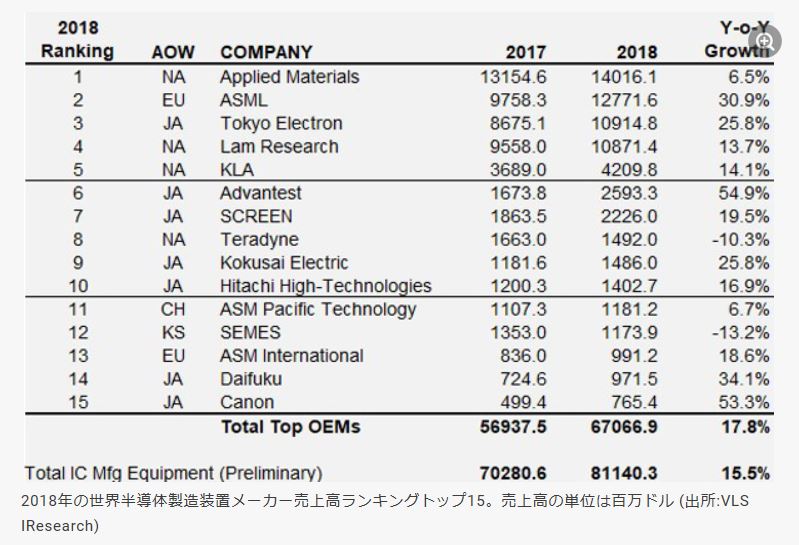
※ 売り上げランキング2位の会社だな…。
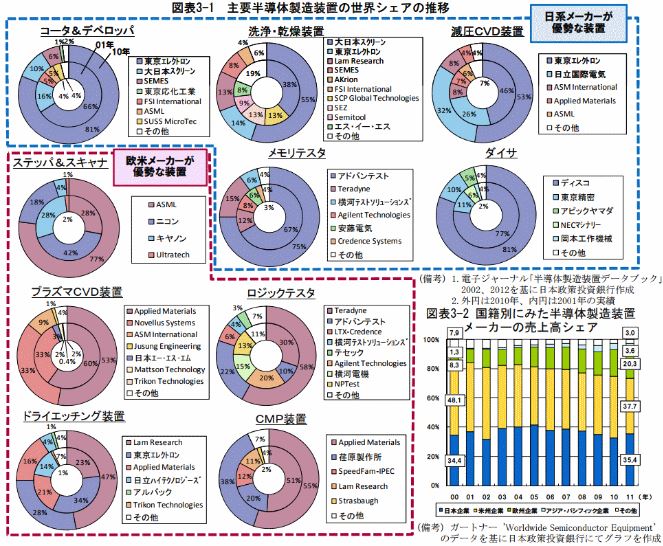
※ ステッパー(露光装置)とかが得意の会社のようだ…。
※ 英文記事もあるようなんで、リンクを貼っておく…。
Exclusive: ASML delays key tech delivery to China fearing US ire
https://asia.nikkei.com/Economy/Trade-war/Exclusive-ASML-delays-key-tech-delivery-to-China-fearing-US-ire -
※ 日経中心に拾ったものを、上げておく…。
ペンス米副大統領、中国は「検閲まで輸出」 演説要旨
https://www.nikkei.com/article/DGXMZO51377650V21C19A0FF8000/?n_cid=DSREA001中国、経済・軍事で「より攻撃的に」 米副大統領が演説
https://www.nikkei.com/article/DGXMZO51377090V21C19A0000000/「アメリカは香港の民主派とともにある」とペンス副大統領が連帯を表明 「中国が民主社会に転換できるという我々の期待はもはや、ない」
http://melma.com/backnumber_45206_6872598/ペンス氏演説、米中対立は第2幕突入か(NY特急便) 米州総局 高橋そら
https://www.nikkei.com/article/DGXMZO51377690V21C19A0ENI000/米中「新冷戦」へ剣が峰 ペンス氏、強硬派の主張代弁
https://www.nikkei.com/article/DGXMZO51379550V21C19A0FF8000/元米大統領補佐官「中国、秩序に挑戦」日経CSISシンポ
https://www.nikkei.com/article/DGXMZO51380870V21C19A0MM0000/ -
※ 衝撃的だった、ペンス副大統領の演説(2018年版)から、早や一年経ったか…。オレは、去年の3月に、中国が「人民元建て石油先物取引市場」を開設した…、という話しを聞いた時、「虎の尾を、踏んだんじゃ…。」と思ったんだが、当たったな…。まあ、それ以前から、危険視しては来たんだろうが…。米国は、ナンバー・ツーが自国のGDPの60%まで達した時は、危険視して、叩きに行く…。日本の時が、そうだった…、と聞いていたが…。中国は、散々「中国2049」とか、「中国製造2030(最初は、2020)」とかで、挑発したからな…。いずれ、「長期戦」になるのは、避けられまい…。今般の「貿易対立・高関税合戦」が一段落ついたとしても、「覇権国の米国 vs.それに挑戦する中国」という対立の図式は、全く変わることは無いからだ…。
ペンス副大統領の演説2019年版は、以下のサイトに滑らかな全翻訳版が、載っている…。オレの方は、全英文(ホワイトハウスのサイトで、見ることができる)と、それをグーグル翻訳にかけたものを、載せておく…。【米国:必読スピーチ】フレデリック・V・マレック記念講演でのペンス副大統領の発言(全文翻訳)
https://www.newshonyaku.com/17869/Remarks by Vice President Pence at the Frederic V. Malek Memorial Lecture
Conrad Hotel
Washington, D.C.11:51 A.M. EDT
THE VICE PRESIDENT: Well, thank you all for that warm welcome. And to your new chairman, Governor Scott Walker; former Congresswoman Jane Harman; and to all the members of the board at this historic center; and to all the fine scholars: It is an honor to be here at the Wilson Center, named after a President that was a great champion for America leadership and for freedom on the world stage.
And in that same spirit, allow me to begin this morning by bringing greetings from another President who’s a champion for freedom here at home and across the wider world. I bring greetings from the 45th President of the United States of America, President Donald Trump. (Applause.)
I come before you today at the end of a momentous week. In the wake of Turkish forces invading Syria, thanks to the strong economic and diplomatic action of the President of the United States, and thanks to the cooperation by our Turkish and Kurdish allies, Syrian Defense Forces were able to safely withdraw from the border area that’s currently under Turkish military control.
And yesterday, Turkey’s Ministry of Defense confirmed a permanent cease-fire and a halt of all offensive military operations. (Applause.)
Our troops are coming home. And I am pleased to report that through this ceasefire, Turkey and our Kurdish allies have now created an opportunity that the international community can create a safe zone that we believe will restore peace and security for all the peoples of this war-torn region. It is progress, indeed.
So thank you again for the honor of being here today, and it’s a particular honor to deliver the inaugural Frederic V. Malek Memorial Lecture.
Anyone who knew Fred would tell you that he was a proud son of West Point and that he lived his life by the words “duty, honor, and country.” When counseling others, I’m told, he often quoted his alma mater’s Cadet Prayer and urged them to, as he would say, “Choose the harder right instead of the easier wrong.”
Fred understood that no one — least of all, nations — can defend their interests by forsaking their values. So in honor of Fred’s memory, I come here today to discuss a subject on which much of the destiny of the 21st century will hinge: the United States relationship with China.
Since the earliest days of this administration, President Trump has been determined to build a relationship with China on a foundation of candor, fairness, and mutual respect, in order to achieve, in his words, “a more just, secure, and peaceful world.”
One year ago this month, I spoke about many of Beijing’s policies most harmful to America’s interests and values, from China’s debt diplomacy and military expansionism; its repression of people of faith; construction of a surveillance state; and, of course, to China’s arsenal of policies inconsistent with free and fair trade, including tariffs, quotas, currency manipulation, forced technology transfer, and industrial subsidies.
Past administrations have come and gone, and all were aware of these abuses. None were willing to upset the established Washington interests who not only permitted these abuses, but often profited from them. The political establishment was not only silent in the face of China’s economic aggression and human rights abuses, but they often enabled them. As each year passed, as each factory closed in the heartland of America, as each new skyscraper went up in Beijing, American workers grew only more disheartened, and China grew only more emboldened.
In less than two short decades, we’ve seen, as President Trump has said, “the greatest transfer of wealth in the history of the world.” Over the past 17 years, China’s GDP has grown more than nine-fold; it has become the second-largest economy in the world. Much of this success was driven by American investment in China.
Beijing’s actions have contributed to the United States’ trade deficit with China that last year ran to more than $400 billion — nearly half of our global trade deficit. As President Trump has said many times, we rebuilt China over the last 25 years. No truer words were spoken, but those days are over.
As history will surely note, in less than three years, President Donald Trump has changed that narrative forever. No longer will America and its leaders hope that economic engagement alone will transform Communist China’s authoritarian state into a free and open society that respects private property, the rule of law, and international rules of commerce.
Instead, as the President’s 2017 National Security Strategy articulated, the United States now recognizes China as a strategic and economic rival. And I can attest firsthand, a strong majority of the American people, in the city and on the farm, are behind President Trump’s clear-eyed vision of the U.S.–China relationship. And the President’s stand also enjoys broad bipartisan support in the Congress as well.
Over the past year with that support, President Trump has taken bold and decisive action to correct the failed policies of the past, to strengthen America, to hold Beijing accountable, and to set our relationship on a more fair, stable, and constructive course for the good of both of our nations and the world.
When our administration took office, China was on track to become the largest economy in the world. Experts predicted that China’s economy would surpass the United States’ economy in just a few short years. But thanks to bold economic agenda advanced by President Trump, all that has changed.
From early on in this administration, this President signed the largest tax cuts and tax reform in American history. We lowered the American corporate tax rate to mirror other corporate rates around the world. We rolled back federal regulation at record levels. We unleashed American energy. And President Trump has stood strong for free and fair trade.
The result? America has the strongest economy in the history of the world. (Applause.) And the strongest economy in our own history.
Unemployment today is at a 50-year low. There are more Americans working today than ever before. Median household income in the last two and half years has risen by more than $5,000. And that doesn’t even account for the savings from the President’s tax cuts or energy reforms for working families.
Because of the President’s policies, America has added trillions of dollars of wealth to our economy while China’s economy continues to fall behind.
To level the playing field for the American worker against unethical trade practices, President Trump levied tariffs on $250 billion in Chinese goods in 2018. And earlier this year, the President announced we would place tariffs on another $300 billion of Chinese goods if significant issues in our trading relationship were not resolved by December of this year.
To protect intellectual property rights and the privacy of our citizens and our national security, we’ve taken strong steps to curtail illegal behavior of Chinese companies like Huawei and ZTE. And we’ve urged our allies around the world to build secure 5G networks that don’t give Beijing control of our most sensitive infrastructure and data as well.
And as we’ve grown stronger economically, President Trump has also signed the largest increases in our national defense in more than a generation: $2.5 trillion of new investment in our national defense just in the last three years. We’ve made the strongest military in the history of the world stronger still.
And to make it clear to Beijing that no nation has a right to claim the maritime commons as territorial seas, the United States, in the last year, has increased the tempo and scope of our freedom of navigation operations and strengthened our military presence across the Indo-Pacific.
To uphold the values of freedom-loving people every year [everywhere], we’ve also called out the Chinese Communist Party for suppressing freedom of religion of the Chinese people. Millions of ethnic and religious minorities in China are struggling against the Party’s efforts to eradicate their religious and cultural identities.
The Communist Party in China has arrested Christian pastors, banned the sale of Bibles, demolished churches, and imprisoned more than one million Muslim Uighurs.
We’ve held Beijing accountable for its treatment of Muslim minorities in Xinjiang when, just last month, President Trump imposed visas restrictions on Chinese Communist Party officials, as well as sanctions on 20 Chinese public security bureaus and 8 Chinese companies for their complicity in the persecution of Uighurs and other Chinese Muslims. (Applause.)
And we’ve stood by Taiwan in defense of her hard-won freedoms. Under this administration, we’ve authorized additional military sales and recognized Taiwan’s place as one of the world’s great trading economies and beacons of Chinese culture and democracy.
And as millions have taken to the streets in peaceful protest, we’ve spoken out on behalf of the people of Hong Kong. And President Trump has made it clear from early on that there must be a peaceful resolution that respects the rights of the people of Hong Kong, as outlined in the 1984 Sino-British Joint Declaration.
These are all historic actions. And no President before has so vigorously advanced America’s interests in our relationship with China.
In response to America’s actions and resolve, some multinational corporations say our economic policies are too tough and that advancing our interests and our values runs contrary to better relations with China.
Needless to say, we see it very differently. Despite the great power competition that is underway, and America’s growing strength, we want better for China. That’s why, for the first time in decades, under President Donald Trump’s leadership, the United States is treating China’s leaders exactly how the leaders of any great world power should be treated — with respect, yes, but also with consistency and candor.
And in that spirit of candor, I must tell you that in the year since my Hudson speech, Beijing has still not taken significant action to improve our economic relationship. And on many other issues we’ve raised, Beijing’s behavior has become even more aggressive and destabilizing.
On the trade front, this past May, after months of painstaking negotiations resulted in mutual agreement on many key matters, at the last moment, China backed away — backed away from a 150-page agreement, sending both sides back to square one.
Now, President Trump still believes Beijing wants to make a deal. And we welcome the support for American agriculture in the new phase one agreement and hope it can be signed as soon as the APEC Summit in Chile this week. But China knows there’s a whole range of structural and significant issues between our two countries that also must be addressed.
For instance, despite a 2015 promise in the Rose Garden by China’s leader to cease and desist, China continues to aid and abet the theft of our intellectual property.
Last July, the director of the FBI told Congress that of his agency’s 1,000 active investigations into intellectual property theft, the majority involve China. American enterprises continue to lose hundreds of billions of dollars each year in intellectual property theft.
Behind these statistics are not just businesses, but people, families, and dreams threatened by the violation of their rights and the theft of their genius. Free enterprise depends on the ability of risk-taking citizens to pursue their ambitions and reap the rewards of their sacrifice. When the product of their labor is stolen, when the sweat of their brow is made futile, it undermines our entire system of free enterprise.
Last year alone, there’s been case after case of intellectual property theft involving China. In March, Tesla filed suit against a former engineer who’s been accused of stealing 300,000 files related to its own American-developed autopilot system, before bolting for a job at a Chinese self-driving car company.
And last December, the Justice Department revealed that it had broken up a nearly four-year operation by a notorious hacking group within China’s Ministry of State Security. These Chinese government officials stole the names and data of 100,000 U.S. Navy personnel, as well as ship maintenance information, with grave implications for our national security.
Despite China’s promises to crack down on Chinese fentanyl and other synthetic opioids, the truth is, those deadly drugs also continue to flood across our borders, claiming the lives of thousands of Americans every month.
And today, China’s Communist Party is building a surveillance state unlike anything the world has ever seen. Hundreds of millions of surveillance cameras stare down from every vantage point. Ethnic minorities must navigate arbitrary checkpoints where police demand blood samples, fingerprints, voice recordings, and multiple angle head shots, and even iris scans.
And China is now exporting to countries in Africa, Latin America, and the Middle East the very same technological tools that it uses in its authoritarian regime: tools that it’s deployed in places like Xinjiang; tools that it’s deployed often with the help of American companies.
And Beijing has also smashed the barriers between civilian and military technological domains — a doctrine that China calls “military-civilian fusion.” By law and presidential fiat, companies in China — whether private, state-owned, or foreign — must share their technologies with the Chinese military.
And China’s military action in the region and its approach to its neighbors over the past year has also remained increasingly provocative.
While China’s leaders stood in the Rose Garden in 2015 and said that its country had, and I quote, “no intention to militarize” the South China Sea, Beijing has deployed advanced anti-ship and anti-air missiles atop an archipelago of military bases constructed on artificial islands.
And Beijing has stepped up its use of what they call “maritime militia” vessels to regularly menace Filipino and Malaysian sailors and fishermen. And the Chinese Coast Guard has tried to strong-arm Vietnam from drilling for oil and natural gas off of Vietnam’s own shores.
In the East China Sea, in 2019, our close ally, Japan, is on track to scramble more fighter aircraft sorties in response to Chinese provocations than in any previous year in history. And China’s Coast Guard has sent ships for more than 60 days in a row into the waters around the Senkaku Islands, which are administered by Japan.
China is also using its “One Belt, One Road” Initiative to establish footholds in ports around the world, ostensibly for commercial purposes, but those purposes could eventually become military. We see now the flag of Chinese ownership flying today in ports from Sri Lanka to Pakistan to Greece.
And earlier this year, it was reported that Beijing had signed a secret agreement to establish a naval base in Cambodia. And it is reported that Beijing is even eyeing locations on the Atlantic Ocean that could serve as naval facilities.
And while our administration will continue to respect the One China Policy — as reflected in the three joint communiqués and the Taiwan Relations Act — through checkbook diplomacy, over the past year China has induced two more nations to switch diplomatic recognition from Taipei to Beijing, increasing pressure on the democracy in Taiwan.
The international community must never forget that its engagement with Taiwan does not threaten the peace; it protects peace on Taiwan and throughout the region. America will always believe that Taiwan’s embrace of democracy shows a better path for all the Chinese people. (Applause.)
But nothing in the past year has put on display the Chinese Communist Party’s antipathy to liberty so much as the unrest in Hong Kong.
Hong Kong has served as an important gateway between China and the wider world for 150 years. Hong Kong is one of the freest economies in the world, with strong, independent legal institutions and a lively free press, and it’s home to hundreds of thousands of foreign residents.
Hong Kong is a living example of what can happen when China embraces liberty. And yet, for the last few years, Beijing has increased its interventions in Hong Kong and engaged in actions to curtail the rights and liberties of its people — rights and liberties that were guaranteed through a binding international agreement of “one country, two systems.”
But President Trump has been clear, as he said in his words, “The United States stands for liberty.” (Applause.) We respect the sovereignty of nations. But America expects Beijing to honor its commitments, and President Trump has repeatedly made it clear it would be much harder for us to make a trade deal if the authorities resort to the use of violence against protestors in Hong Kong. (Applause.)
Since then, I’m pleased to observe that Hong Kong authorities have withdrawn the extradition bill that sparked the protests in the first place, and Beijing has shown some restraint.
In the days ahead, I can assure you, the United States will continue to urge China to show restraint, to honor its commitments, and respect the people of Hong Kong. And to the millions in Hong Kong who have been peacefully demonstrating to protect your rights these past months, we stand with you. (Applause.) We are inspired by you, and we urge you to stay on the path of nonviolent protest. (Applause.) But know that you have the prayers and the admiration of millions of Americans.
As China has exercised its influence across the region and across the world, as I said last year, the Chinese Communist Party is also continuing to reward and coerce American businesses, movie studios, universities, think tanks, scholars, journalists, and local, state, and federal officials to influence the public debate here in America.
Today, China is not only exporting hundreds of billions of dollars in unfairly traded goods to the United States, but lately China has also been trying to export censorship — the hallmark of its regime. By exploiting corporate greed, Beijing is attempting to influence American public opinion, coercing corporate America.
And far too many American multinational corporations have kowtowed to the lure of China’s money and markets by muzzling not only criticism of the Chinese Communist Party, but even affirmative expressions of American values.
Nike promotes itself as a so called “social justice champion,” but when it comes to Hong Kong, it prefers checking its social conscience at the door. Nike stores in China actually removed their Houston Rockets merchandise from their shelves to join the Chinese government in protest against the Rockets general manager’s seven-word tweet, which read: “Fight for Freedom. Stand with Hong Kong.”
And some of the NBA’s biggest players and owners, who routinely exercise their freedom to criticize this country, lose their voices when it comes to the freedom and rights of the people of China. In siding with the Chinese Communist Party and silencing free speech, the NBA is acting like a wholly owned subsidiary of the authoritarian regime.
A progressive corporate culture that willfully ignores the abuse of human rights is not progressive; it is repressive. (Applause.)
When American corporations, professional sports, pro athletes embrace censorship, it’s not just wrong; it’s un-American. American corporations should stand up for American values here at home and around the world. (Applause.)
And Beijing’s economic and strategic actions, its attempts to shape American public opinion, prove out what I said a year ago and it’s just as true today: China wants a different American President, which is the ultimate proof that President Trump’s leadership is working.
America’s economy is growing stronger by the day, and China’s economy is paying the price. The President’s strategy is correct. He’s fighting for the American people, for American jobs and American workers like no one has before. And I promise you this administration will not stand down. (Applause.)
That said, the President has also made it clear the United States does not seek confrontation with China. We seek a level playing field, open markets, fair trade, and a respect for our values.
We are not seeking to contain China’s development. We want a constructive relationship with China’s leaders, like we have enjoyed for generations with China’s people. And if China will step forward and seize this unique moment in history to start anew by ending the trade practices that have taken advantage of the American people for far too long, I know President Donald Trump is ready and willing to begin that new future — (applause) — just as America has done in the past.
When Deng Xiaoping’s “Reform and Opening” policy encouraged engagement and exchange with the outside world, the United States responded with open arms. We welcomed China’s rise. We celebrated the remarkable accomplishment of 600 million people lifting themselves out of poverty. And America invested more than any other nation in China’s economic resurgence.
The American people want better for the people of China. But in pursuit of that end, we must take China as it is, not as we imagine or hope it might be someday.
And people sometimes ask whether the Trump administration seeks to “de-couple” from China. The answer is a resounding “no.” The United States seeks engagement with China and China’s engagement with the wider world, but engagement in a manner consistent with fairness, mutual respect, and the international rules of commerce.
But, so far, it appears the Chinese Communist Party continues to resist a true opening or a convergence with global norms.
All that Beijing is doing today, from the Party’s great firewall in cyberspace or to that great wall of sand in the South China Sea, from their distrust of Hong Kong’s autonomy, or their repression of people of faith all demonstrate that it’s the Chinese Communist Party that has been “de-coupling” from the wider world for decades.
President Xi himself, I’m told, said in a once-secret speech shortly after his rise as Party General Secretary that China must “conscientiously prepare for all aspects of long-term cooperation and struggle between the two social systems.” He also told his colleagues at that time not to underestimate the resilience of the West. And there was wisdom in those words.
China should never underestimate the resilience of the freedom-loving people of America or the resolve of the President of the United States. (Applause.) China should know that the United States’ values run deep, that our commitment to these values remains as strong as it was for our Founding Fathers, and that there will never be a day when the bright light of democracy and freedom goes out in America. (Applause.)
America was born out of rebellion against repression and tyranny. Our nation was founded, settled, and pioneered by men and women of extraordinary valor, rugged determination, faith, and fiery independence and an iron will. And nothing has changed much in the centuries that have passed.
Americans believe that all men and women are created equal and we’re endowed by our Creator with certain inalienable rights: life, liberty, and the pursuit of happiness. And nothing will change these beliefs. (Applause.) They are who we are. They are who we will always be.
And we will continue to believe that the values of democracy — of individual liberty, of freedom of religion and conscience, the rule of law — serve American and global interests because they are, and will ever be, the best form of government to unleash human aspirations and guide the relations between all the world’s nations and peoples.
Despite the many challenges we face in the United States-China relationship, I can assure you that under the leadership of President Donald Trump, the United States will not allow these challenges to foreclose practical cooperation with China.
We will continue to negotiate in good faith with China to bring about long-overdue structural reforms in our economic relationship. And as I heard again from him this morning, President Trump remains optimistic that an agreement can be reached.
We’ll continue to forge bonds between our two peoples through education, travel, and cultural exchange.
China and the United States will also continue in a spirit of engagement to work together to secure the full, final, and verifiable denuclearization of North Korea.
And we will seek greater cooperation on arms control and the enforcement of U.S. sanctions in the Persian Gulf.
America will continue to seek a better relationship with China. And as we do so, we will speak plainly, because this is a relationship that both the United States and China have to get right.
America will continue to seek a fundamental restructuring of our relationship with China. And under the leadership of President Donald Trump, America will stay the course. The American people and their elected officials in both parties will stay resolved. We will defend our interests. We will defend our values. And we will do so in a spirit of charity and good will for all. (Applause.)
President Trump has forged a strong personal relationship with President Xi. And on that foundation, we will continue to look for ways to strengthen our relationship for the betterment of both of our peoples.
And we fervently believe the United States and China can and must work to share a peaceful and prosperous future together. But only honest dialogue and good-faith negotiations can make that future a reality.
And so, as I closed my speech a year ago, so I close today: America is reaching out our hand to China. And we hope that, soon, Beijing will reach back, this time with deeds, not words, and with renewed respect for America.
There is an ancient Chinese proverb that reads, “Men see only the present, but Heaven sees the future.” As we go forward, let us pursue a future of peace and prosperity with resolve and faith. Faith in President Trump’s leadership and vision for our economy and our place in the world, and faith in the relationship that he has forged with President Xi of China and in the enduring friendship between the American people and the Chinese people. And faith that Heaven sees the future — and by God’s grace, America and China will meet that future together.
Thank you. God bless you. And God bless the United States of America. (Applause.)
END
12:28 P.M. EDT
フレデリック・V・マレック記念講演会でのペンス副大統領の発言
コンラッドホテル
ワシントンDC11:51 AM EDT
副学長:まあ、その温かい歓迎に感謝します。新しい会長のスコット・ウォーカー知事に。元下院議員ジェーン・ハーマン。そして、この歴史的中心部の理事会のメンバー全員に。そして、すべての素晴らしい学者へ:アメリカのリーダーシップと世界舞台での自由のための偉大なチャンピオンである大統領にちなんで名付けられたウィルソンセンターにここにいることは名誉です。
そして、同じ精神で、今朝、私がここで、そしてより広い世界で自由のためのチャンピオンである別の大統領から挨拶をもたらすことから始めさせてください。第45代アメリカ合衆国大統領のドナルド・トランプ大統領から挨拶をします。(拍手。)
今日は重要な週の終わりにあなたの前に来ます。米国大統領の強力な経済的および外交的行動のおかげで、またトルコとクルドの同盟国の協力のおかげで、トルコ軍がシリアに侵攻した後、シリア防衛軍は国境地域から安全に撤退することができました現在トルコの軍事支配下にあります。
そして昨日、トルコ国防省は、恒久的な停戦とすべての攻撃的な軍事作戦の停止を確認しました。(拍手。)
我が軍が帰ってきた。そして、この停戦を通じて、トルコとクルド人の同盟国は、国際社会がこの戦争で荒廃した地域のすべての人々の平和と安全を回復するだろうと信じる安全地帯を作ることができる機会を作り出したことを嬉しく思います。確かに進歩です。
ですから、今日ここに来て光栄に思います。フレデリック・V・マレック記念講演を初めて開催したことは特に光栄です。
フレッドを知っていた人なら誰でも、彼はウェストポイントの誇り高い息子であり、「義務、名誉、国」という言葉で人生を送っていたと言うでしょう。他の人にカウンセリングするとき、彼はしばしば母校のカデットを引用しました祈り、彼が言うように、「簡単な間違いではなく、難しい権利を選択してください」と彼らに促しました。
フレッドは、誰もが、少なくとも何よりも、国家は価値を放棄することによって利益を守ることができないことを理解していました。フレッドの記憶に敬意を表して、私は今日ここに来て、21世紀の運命の多くが左右される主題について議論します:中国との米国の関係。
この政権の初期の頃から、トランプ大統領は、彼の言葉で、「より公正で安全で平和な世界を達成するために、率直、公正、相互尊重の基盤で中国との関係を構築することを決意している」
今月一年前、私は中国の債務外交と軍事拡張主義から、アメリカの利益と価値に最も有害な北京の政策の多くについて話しました。信仰の人々の抑圧; 監視状態の構築; そしてもちろん、関税、割当、通貨操作、強制的な技術移転、産業補助金を含む、自由で公正な貿易と矛盾する中国の兵器庫に。
過去の政権は来て、去りました、そして、すべてはこれらの虐待に気づいていました。これらの虐待を許可しただけでなく、しばしばそれらから利益を得た確立されたワシントンの利益を混乱させようとはしなかった。政治体制は、中国の経済侵略と人権侵害に直面して沈黙しただけでなく、しばしば彼らを可能にした。毎年、アメリカの中心部にある各工場が閉鎖され、北京の新しい超高層ビルが上がるにつれて、アメリカ人の労働者はますます失望し、中国はより勇敢になりました。
トランプ大統領が言ったように、20年未満で「世界史上最大の富の移転」を見てきました。過去17年間で、中国のGDPは9倍以上に成長しました。世界で2番目に大きい経済となっています。この成功の多くは、中国へのアメリカの投資によるものです。
北京の行動は、昨年の中国との米国の貿易赤字に寄与しており、昨年は4,000億ドルを超えました。これは、世界貿易赤字のほぼ半分です。トランプ大統領が何度も言っているように、私たちは過去25年間で中国を再建しました。本当の言葉は話されていませんが、その時代は終わりました。
歴史が確実に言及するように、3年未満で、ドナルド・トランプ大統領はその物語を永遠に変えました。アメリカとその指導者たちは、経済的関与のみが中国共産主義の独裁国家を私有財産、法の支配、国際貿易の規則を尊重する自由で開かれた社会に変えることを望みません。
代わりに、大統領の2017年国家安全保障戦略が明確にしたように、米国は現在、中国を戦略的および経済的ライバルとして認識しています。そして私は、都市と農場のアメリカ人の大多数が、米中関係についてのトランプ大統領の明確なビジョンの背後にあることを直接証明することができます。また、大統領の立場も議会で幅広い超党派の支持を得ています。
過去1年間、トランプ大統領は過去の失敗した政策を修正し、アメリカを強化し、北京に説明責任を持たせ、私たちの関係をより公平で安定した建設的なコースに設定するために大胆かつ決定的な行動をとってきました私たちの国と世界の両方の善。
私たちの政権が就任したとき、中国は世界最大の経済になるための軌道に乗っていました。専門家は、わずか数年で中国経済が米国経済を上回ると予測しました。しかし、トランプ大統領が進めた大胆な経済的アジェンダのおかげで、すべてが変わりました。
この政権の初期から、この大統領はアメリカ史上最大の減税と税制改革に署名しました。世界中の法人税率を反映するために、アメリカの法人税率を引き下げました。連邦規制を記録的なレベルでロールバックしました。私たちはアメリカのエネルギーを解き放ちました。そして、トランプ大統領は自由で公正な貿易のために強力な立場をとってきました。
結果?アメリカは世界史上最も強い経済を持っています。(拍手)そして、私たち自身の歴史の中で最も強い経済。
今日の失業率は50年ぶりの低水準です。今日より多くのアメリカ人がこれまで以上に働いています。過去2年半の家計収入の中央値は5,000ドル以上増加しています。そして、それは大統領の減税や勤労家族のためのエネルギー改革による節約を考慮していません。
大統領の政策により、アメリカは私たちの経済に数兆ドルの富を追加しましたが、中国の経済は引き続き遅れをとっています。
米国の労働者が非倫理的な貿易慣行に対抗するために、トランプ大統領は2018年に2500億ドルの中国製品に関税を課した。そして今年初め、大統領は、弊社の取引関係は今年の12月までに解決されませんでした。
知的財産権と市民のプライバシーと国家安全保障を保護するために、HuaweiやZTEなどの中国企業の違法行為を抑えるための強力な措置を講じました。また、世界中の同盟国に、最も機密性の高いインフラストラクチャとデータも北京が制御できない安全な5Gネットワークを構築するように要請しました。
そして、経済的に強くなったので、トランプ大統領はまた、過去3年間で、国防への最大の増額である1世代以上で国防への2.5兆ドルの新規投資に署名しました。私たちは、世界史上最も強力な軍隊をさらに強力にしました。
また、領海として海上コモンズを主張する権利を有する国はないことを北京に明確にするために、米国は昨年、航海作戦の自由のテンポと範囲を拡大し、全米における軍事的存在感を強化しました。インド太平洋。
毎年 [どこでも] 自由を愛する人々の価値を維持するために、中国人の宗教の自由を抑圧するために中国共産党を呼びました。中国の数百万の少数民族および宗教的少数派は、宗教的および文化的アイデンティティを根絶しようとする党の努力に苦労しています。
中国の共産党はキリスト教の牧師を逮捕し、聖書の販売を禁止し、教会を破壊し、100万人以上のイスラム教徒のウイグル人を投獄しました。
先月、トランプ大統領が中国共産党の役人にビザ制限を課し、中国の20の公安局と8つの中国企業の共犯に対する制裁を課したとき、私たちは北京を新jiangのイスラム教徒の少数派の扱いに対して責任を負わせました。ウイグル人と他の中国のイスラム教徒の迫害。(拍手。)
そして、私たちは彼女の苦労して獲得した自由を守るために台湾を支持しました。この政権の下で、我々は追加の軍事販売を認可し、台湾の地位を世界の偉大な貿易経済と中国文化と民主主義の標識の一つとして認めました。
そして、何百万人もの人々が平和的な抗議で街に連れて行ったので、私たちは香港の人々に代わって話をしました。そして、トランプ大統領は、1984年の中英共同宣言で概説されているように、香港の人々の権利を尊重する平和的な決議が必要であることを早い段階から明らかにしました。
これらはすべて歴史的な行動です。そして、中国との関係におけるアメリカの関心をこれほど精力的に高めた大統領はいなかった。
アメリカの行動と決意に応えて、一部の多国籍企業は、私たちの経済政策は厳しすぎており、私たちの利益と私たちの価値を高めることは中国とのより良い関係に反していると言います。
言うまでもなく、私たちはそれを非常に異なって見ています。進行中の大規模な電力競争、および米国の成長力にもかかわらず、我々は中国のためにより良いものを望んでいます。だから、数十年ぶりに、ドナルド・トランプ大統領のリーダーシップの下で、米国は中国の指導者を、偉大な世界大国の指導者が敬意を持って、しかし一貫性と誠実さをもって、どのように扱うべきかを正確に扱っています。
そして、その率直な精神で、ハドソンの演説以来、北京は経済関係を改善するための重要な行動をまだ取っていません。そして、私たちが提起した他の多くの問題について、北京の行動はさらに攻撃的で不安定になりました。
貿易面では、この5月、数か月にわたる骨の折れる交渉の結果、多くの重要事項について相互合意が得られましたが、最終的に中国は後退し、150ページの合意から後退し、双方を平等に戻しました。
現在、トランプ大統領は北京が取引を望んでいるとまだ信じています。また、新しいフェーズ1協定における米国農業への支援を歓迎し、今週のチリでのAPECサミットの直後に署名できることを願っています。しかし、中国は、両国間にまた対処しなければならない構造的および重要な問題が広範囲に存在することを知っています。
たとえば、中国の指導者による2015年のローズガーデンでの中止と廃止の約束にもかかわらず、中国は引き続き知的財産の盗難を支援し、それを食い止めています。
昨年7月、FBIのディレクターは、知的財産の盗難に関する彼の機関の1,000件の積極的な調査のうち、大半は中国に関係していると議会に語った。アメリカ企業は、知的財産の盗難で毎年数千億ドルを失い続けています。
これらの統計の背後には、企業だけでなく、人権、家族、そして彼らの権利の侵害や天才の窃盗によって脅かされている夢があります。自由企業は、リスクを負う市民が彼らの野心を追求し、犠牲の報酬を得る能力に依存しています。彼らの労働の産物が盗まれるとき、彼らの額の汗が無駄になるとき、それは私たちの自由企業の全体のシステムを弱体化させます。
昨年だけでも、中国が関係する知的財産の窃盗事件が次々に発生しています。3月、テスラは、中国の自動運転車会社に就職する前に、アメリカが開発した自動操縦システムに関連する300,000個のファイルを盗んだとして非難された元エンジニアを提訴しました。
そして昨年12月、司法省は、中国の国家安全保障省内の悪名高いハッキンググループによるほぼ4年間の活動を中断したことを明らかにしました。これらの中国政府当局者は、10万人の米海軍要員の名前とデータ、および船舶の保守情報を盗み、国家安全保障に重大な影響を及ぼしました。
中国のフェンタニルおよび他の合成オピオイドを取り締まるという中国の約束にもかかわらず、真実は、それらの致命的な薬物も国境を越えて溢れ続け、毎月何千人ものアメリカ人の命を奪っています。
そして今日、中国の共産党は世界がこれまで見たことのないものとは異なる監視状態を構築しています。何億もの監視カメラがあらゆる視点から見下ろしています。少数民族は、警察が血液サンプル、指紋、音声録音、複数アングルのヘッドショット、虹彩スキャンなどを要求する任意のチェックポイントをナビゲートする必要があります。
中国は現在、独裁政権で使用しているものとまったく同じ技術ツールをアフリカ、ラテンアメリカ、および中東の国々に輸出しています。アメリカ企業の助けを借りて頻繁に展開されるツール。
また、北京は民間技術分野と軍事技術分野の障壁を打ち破りました。中国が「軍事と市民の融合」と呼ぶ教義です。中国軍と。
また、この地域での中国の軍事行動と過去1年間の近隣諸国へのアプローチも、ますます挑発的なものでした。
中国の指導者たちは2015年にローズガーデンに立って、その国には南シナ海を「軍事化する意図はない」と述べたが、北京は軍事基地の群島の上に高度な対艦ミサイルと対空ミサイルを配備した人工島に建設されました。
そして北京は、フィリピン人とマレーシア人の船員と漁師を定期的に脅かすために、彼らが「海上民兵」船と呼ぶものの使用を強化しました。そして、中国沿岸警備隊は、ベトナムの沿岸からの石油と天然ガスの掘削からベトナムを強力に武装させようとしました。
東シナ海では、2019年に、私たちの密接な同盟国である日本が、中国の挑発に応じて、過去のどの年よりも多くの戦闘機の出撃を奪い取るために順調に進んでいます。また、中国の沿岸警備隊は、日本が管理している尖閣諸島周辺の海域に60日以上連続して船を送りました。
中国はまた、「One Belt、One Road」イニシアチブを使用して、見かけ上は商業目的で世界中の港に足場を確立していますが、それらの目的は最終的に軍事になる可能性があります。現在、中国の所有権の旗がスリランカからパキスタン、ギリシャの港で飛んでいます。
そして今年初め、北京がカンボジアに海軍基地を設立するための秘密協定に署名したことが報告されました。そして、北京は、海軍施設として役立つ可能性のある大西洋上の場所にさえ目を向けていると報告されています。
そして、3つの共同コミュニケと台湾関係法に反映されているように、私たちの政権は小切手外交を通じてOne China Policyを引き続き尊重しますが、過去1年間、中国は台北から北京に外交的認識を切り替えるためにさらに2つの国を誘発しました台湾の民主主義に対する圧力。
国際社会は、台湾との関わりが平和を脅かすものではないことを決して忘れてはなりません。台湾と地域全体の平和を守ります。アメリカは、台湾の民主主義への抱擁がすべての中国人にとってより良い道を示すと常に信じます。(拍手。)
しかし、過去1年の間に、中国共産党の自由に対する反感を、香港の騒乱ほど展示したものはありません。
香港は150年間、中国とより広い世界との間の重要なゲートウェイとして機能してきました。香港は世界で最も自由な経済の1つであり、強力で独立した法制度と活気のある自由な報道機関があり、数十万人の外国人居住者が住んでいます。
香港は、中国が自由を受け入れたときに何が起こるかの実例です。それでも、ここ数年、北京は香港への介入を増やし、人々の権利と自由を削減する行動に取り組んできました。これは、「1つの国、2つのシステム」という拘束力のある国際協定によって保証された権利と自由です。 」
しかし、トランプ大統領は「米国は自由を象徴している」と彼の言葉で述べているように明確でした。(拍手)私たちは国家の主権を尊重します。しかし、アメリカは北京がそのコミットメントを尊重することを期待しており、トランプ大統領は、当局が香港の抗議者に対する暴力の使用に頼る場合、貿易協定を結ぶことははるかに困難であることを繰り返し明らかにしました。(拍手。)
それ以来、香港当局が抗議行動を起こした引き渡し法案を撤回し、北京が何らかの抑制を示したことに満足しています。
数日後、私はあなたに保証することができます、米国は抑制を示し、その約束を守り、香港の人々を尊重するように中国に促し続けます。そして、ここ数ヶ月あなたの権利を守るために平和的にデモを行ってきた香港の数百万人に、私たちはあなたと一緒にいます。(拍手)私たちはあなたに触発されており、非暴力的な抗議の道に留まることを強く勧めます。(拍手)しかし、あなたは数百万人のアメリカ人の祈りと賞賛を持っていることを知ってください。
昨年申し上げたように、中国が地域全体および世界全体に影響力を行使しているため、中国共産党もアメリカの企業、映画スタジオ、大学、シンクタンク、学者、ジャーナリスト、および地方、州に報い、強制し続けています、連邦政府の役人が、ここアメリカで公開討論に影響を与えています。
今日、中国は数千億ドルの不当に取引された商品を米国に輸出しているだけでなく、最近、中国も検閲を輸出しようとしています。これはその政権の特徴です。北京は、企業の強欲を利用することで、アメリカの世論に影響を与え、企業アメリカを強要しようとしています。
そして、あまりにも多くのアメリカの多国籍企業が、中国共産党に対する批判だけでなく、アメリカの価値観の肯定的な表現さえも口を閉ざすことによって、中国のお金と市場の誘惑に負けています。
ナイキはいわゆる「社会正義のチャンピオン」としての地位を高めていますが、香港に関しては、ドアで社会的良心をチェックすることを好みます。中国のナイキ店は、実際にヒューストン・ロケッツの商品を棚から取り除き、ロケッツのゼネラルマネージャーの7ワードのツイートに抗議して中国政府に加わりました。香港に立って。」
そして、この国を批判する自由を日常的に行使しているNBAの最大のプレーヤーと所有者の一部は、中国の人々の自由と権利に関して声を失います。中国共産党の側近であり、言論の自由を黙らせることで、NBAは権威主義体制の完全所有子会社のように行動している。
人権侵害を故意に無視する進歩的な企業文化は進歩的ではありません。それは抑圧的です。(拍手。)
アメリカの企業、プロスポーツ、プロアスリートが検閲を受け入れるとき、それはただ間違っているだけではありません。非アメリカ人です。アメリカ企業は、ここで、そして世界中でアメリカの価値に立ち向かうべきです。(拍手。)
そして、北京の経済的および戦略的行動、アメリカの世論を形作る試みは、1年前に私が言ったことを証明し、今日も真実です:中国は別のアメリカ大統領を望んでいます。これはトランプ大統領のリーダーシップが働いていることの究極の証拠です。
アメリカの経済は日ごとに強く成長しており、中国の経済は代価を払っている。大統領の戦略は正しい。彼はアメリカ人のために、アメリカの仕事とアメリカの労働者のために、これまで誰も持っていなかったように戦っています。そして、私はあなたにこの政権が立たないことを約束します。(拍手。)
とはいえ、大統領はまた、米国が中国との対立を求めていないことを明らかにした。私たちは、平等な競争の場、開かれた市場、公正な取引、そして価値観の尊重を求めます。
私たちは中国の発展を封じ込めようとはしていません。私たちは、中国の人々と何世代にもわたって楽しんでいるように、中国の指導者と建設的な関係を築きたいと考えています。そして、中国が前進し、歴史上のこのユニークな瞬間を捉えて、長い間アメリカの人々を利用してきた貿易慣行を終わらせることによって新たに始めるなら、ドナルド・トランプ大統領はその新しい未来を開始する用意があり、喜んで開始することを知っています-(拍手)—アメリカが過去にしたように。
eng小平の「改革と開放」政策が外界との関与と交流を促進したとき、米国は両手を広げて対応した。中国の台頭を歓迎しました。私たちは、6億人が貧困から抜け出したという驚くべき成果を祝いました。そしてアメリカは、中国の経済の復活に他のどの国よりも多くを投資しました。
アメリカの人々は中国の人々により良いものを望んでいます。しかし、その目的を追求するために、私たちは、中国がいつかそうなると想像したり期待したりするのではなく、中国を現状のままにしなければなりません。
そして、人々は時々、トランプ政権が中国から「分離」しようとしているのかと尋ねます。答えは圧倒的な「いいえ」です。米国は、中国との関わりと中国のより広い世界との関わりを求めていますが、公正、相互尊重、国際通商ルールと一致する方法で関わります。
しかし、これまでのところ、中国共産党は真のオープニングや世界的規範との収resistに抵抗し続けているようです。
サイバースペースの党の素晴らしいファイアウォールや南シナ海の砂の大きな壁から、香港の自治に対する不信、または信仰の人々の抑圧から、北京が今日していることはすべて、それが中国共産党であることを示していますそれは何十年もの間、より広い世界から「切り離され」てきました。
習近平大統領自身は、党書記長になった直後の秘密のスピーチで、中国は「2つの社会システム間の長期的な協力と闘争のすべての側面に真剣に準備しなければならない」と語った。当時の彼の同僚は、西洋の回復力を過小評価しないようにしました。そして、それらの言葉には知恵がありました。
中国は、アメリカの自由を愛する人々の弾力性や、アメリカ大統領の決意を過小評価してはなりません。(拍手)中国は、米国の価値観が深いこと、これらの価値観に対する私たちのコミットメントが建国の父たちのように強いままであること、そして民主主義と自由の明るい光が行く日が決してないことを知っておくべきですアメリカで。(拍手。)
アメリカは抑圧と専制に対する反抗から生まれました。私たちの国は、並外れた勇気、頑固な決意、信仰、燃えるような独立と鉄の意志を持つ男女によって設立、定住、開拓されました。そして、何世紀にもわたって大きな変化はありませんでした。
アメリカ人は、すべての男性と女性が平等に創造され、私たちは創造者に特定の不可侵の権利、生命、自由、幸福の追求を授けられていると信じています。そして、これらの信念を変えるものは何もない。(拍手)彼らは私たちです。彼らは私たちが常にそうする人です。
そして、私たちは、民主主義の価値-個人の自由、宗教と良心の自由、法の支配-がアメリカと世界の利益に役立つと信じ続けます。すべての世界の国々と人々の間の関係を抱き、導きます。
米国と中国の関係で私たちが直面する多くの課題にもかかわらず、ドナルド・トランプ大統領のリーダーシップの下で、米国はこれらの課題が中国との実際の協力を排除することを許可しないことを保証できます。
私たちは中国との誠実な交渉を続けて、経済関係に長期にわたる構造改革をもたらします。そして、今朝、彼から再び聞いたように、トランプ大統領は合意に達することができると楽観的です。
私たちは、教育、旅行、文化交流を通じて、私たち二人の絆を築き続けます。
また、中国と米国は、北朝鮮の完全かつ最終的かつ検証可能な非核化を確保するために協力するための取り組みの精神を継続します。
そして、我々は、ペルシャ湾における軍備管理と米国の制裁の実施について、より大きな協力を求めます。
アメリカは中国とのより良い関係を求め続けます。そして、私たちがそうするように、私たちは明白に話します。これは、米国と中国の両方が正しくしなければならない関係だからです。
アメリカは、中国との関係の根本的な再構築を引き続き求めます。そして、ドナルド・トランプ大統領のリーダーシップの下で、アメリカはコースを維持します。アメリカ人と両党の選挙で選ばれた役人は解決されたままです。私たちは利益を守ります。私たちは価値を守ります。そして、私たちは慈善とすべての人の善意の精神でそうします。(拍手。)
トランプ大統領は習近平大統領と強い個人的関係を築いてきました。そして、その基盤の上で、私たちは両国民の改善のために関係を強化する方法を探し続けます。
そして私たちは、米国と中国が平和で繁栄した未来を一緒に共有するために働くことができ、またしなければならないことを切に信じています。しかし、正直な対話と誠実な交渉によってのみ、その未来を現実のものにすることができます。
それで、1年前にスピーチを終えたので、今日締めくくります。アメリカは中国に手を差し伸べています。そして、まもなく、北京が、言葉ではなく行為で、そしてアメリカに対する新たな敬意をもって、戻ってくることを願っています。
「男性は現在だけを見るが、天国は未来を見る」と書かれた古代中国のproveがあります。私たちが前進するとき、平和と繁栄の未来を決意と信仰をもって追求しましょう。トランプ大統領のリーダーシップと私たちの経済と世界における私たちの地位に対する信念、そして彼が中国の習近平大統領と築いた関係とアメリカ人と中国人の永続的な友情への信頼。そして、天国が未来を見るという信仰—そして神の恵みによって、アメリカと中国は一緒にその未来に出会います。
ありがとうございました。神のお恵みがありますように。そして、神はアメリカ合衆国を祝福します。(拍手。)
終わり
12:28 PM EDT
-
https://www.epochtimes.jp/p/2019/10/48039.html
※ 『米国商務省による輸出規制は、中国ハイテク企業に影響を与えている。米マサチューセッツ工科大学は、中国の人工知能のベンチャー企業・商湯科技(SenseTime)とのパートナーシップを見直すと発表した。同企業は10月7日に公開された、中国28の輸出規制対象の組織リストに載っている。』
『米国は10月7日、商湯科技やAI監視カメラ大手・杭州海康科技(Hikvision)などの企業を含む、中国の20の公安部門と8つの中国のハイテク企業をエンティティリストに入れた。
米国商務省は、一連の組織は、中国のウイグル族、カザフ族などの少数民族を大規模で恣意的に拘禁し、ハイテク技術を利用して人権侵害に関与したと述べた。』
『エンティティリストに載る企業は、米国企業から部品や技術を購入する際、米政府から許可を得る必要がある。承認が下りる場合はごくわずかで、実質的な取引禁止措置とみなされている。
中国の人工知能、機械学習、顔認証を含むハイテク技術製品を作る企業は、米国の部品供給に依存している。』 -
https://biz-journal.jp/2019/10/post_122523.html
※ 『現在、顔認証や音声認識などの技術の基礎部分にアメリカ原産の技術が多数含まれているが、今後は該当企業とのライセンス契約もできなくなる。そのため、ライセンスの抹消により、今後は該当企業の製品が知的財産権の侵害とみなされる可能性もあり、そうなれば日本への輸出にもストップがかかるかもしれない。
ハイクビジョンは世界シェア1位といわれ、日本のメーカーもOEM供給を受けているケースがあるようだが、東京オリンピック・パラリンピックを控えて監視カメラや警備システムの更新が進むなか、今後は計画を大きく見直す必要に迫られることになりそうだ。
また、アメリカは輸出規制の対象について、日本などの同盟国にも同様の措置を取ることを求めており、今後は日本独自の技術や産品であっても該当企業への輸出ができなくなる可能性もある。リスクヘッジのために、日本企業も中国企業とのAIやハイテク分野での共同開発および共同研究の計画を見直す必要があると思われる。』
『今回のEL入りで、アメリカの“天網潰し”が始まったといっていいだろう。「天網」とは、中国におけるAIを用いた監視カメラによる国策的なコンピュータネットワークであり、現在の中国の異常な監視社会を形づくっているシステムだ。ハイクビジョンとダーファは、その天網のいわば象徴であったといえる。すでに、この2社は国防権限法の発効により、今年8月から連邦政府や軍などアメリカ政府機関の調達から締め出されていたが、今回EL入りを決めたことで、トランプ政権は天網潰しに本腰を入れ始めたというわけだ。
また、10月10日からは閣僚級の米中貿易協議がワシントンで行われる予定であり、これに先立ち、アメリカが中国を強く牽制したという見方もできる。』 -
https://blog.tinect.jp/?p=62084
※ 高須賀さんと言う勤務医の人がやってるサイトの記事だ。「ファーウェイと米中5G戦争 (講談社+α新書) 新書 – 2019/7/20 近藤 大介 (著)」と言う本の書評だが、参考になるので、紹介しとく。
『ファーウェイの本社は中国のハイテク都市である深センにあるそうなのだが、筆者がそこを訪れるシーンは圧巻である。
筆者が香港からタクシーを使い深センのファーウェイ本社へと向かったところ、30棟もの高層マンションが建ち並ぶ郊外の住宅街にたどり着いたのだという。
それをみた著者は「はてな?この住所はファーウェイ本社のはずだが、なぜ住宅街が?」と最初は訝しんだそうだが、徐々に「ここは、5万人の社員とその家族が住むファーウェイ社員の住宅街なのか!」と衝撃をうけたそうだ。』
『現代社会は高度に知的になったがゆえに、ハイスペは骨肉の様相で奪い合いとなっている。
実はハイスペを分析していくと、物凄く人種に偏りがでてくるのだという。
作家の橘玲さんはその著書・もっと言ってはいけないで人種別のIQについて言及している。
それによるとアシュケナージ系のユダヤ人、中華・韓国・日本近辺に住むアジア人、バラモン系のインド人など、一部の大陸系人種は他と比較して如実にIQが高い人が多いのだそうだ。
実はシリコンバレーで働く人種を細かく見ていくと、ほとんどこれら高知能系の人種に偏ってしまうようで、頭のよさは物凄く民族規定因子が強いというのである。
ファーウェイがここまで急速な成長を遂げられたのも、そこで働く人のポテンシャルが非常に高いという事と無関係ではなかろう。
様々な要因が作用し、最もポテンシャルが高い中華民族が結託できた事で、ついにグローバル社会の覇王となる資格が中国にも回ってきたというわけだ。』というような内容らしい…。※ 比較のため、千代田区のマップ(人口6万人)が貼ってあったので、貼っておく。ファーウエイの城下町は、ほぼこれくらいの規模らしい…。
-
https://www3.nhk.or.jp/news/html/20190914/k10012081801000.htm
米軍が南シナ海で「航行の自由作戦」(2019/09/14)
https://www.msn.com/ja-jp/news/world/e7-b1-b3-e8-bb-8d-e3-81-8c-e5-8d-97-e3-82-b7-e3-83-8a-e6-b5-b7-e3-81-a7-e3-80-8c-e8-88-aa-e8-a1-8c-e3-81-ae-e8-87-aa-e7-94-b1-e4-bd-9c-e6-88-a6-e3-80-8d/ar-AAHhJWl米、南シナ海で航行の自由作戦=中国「無許可で進入」と批判
『米第7艦隊報道官は「中国は国際法で認められる以上の領海や排他的経済水域、大陸棚の領有を主張している」と批判。同作戦により「これらの海域が、中国が合法的に領海と主張できないものであることを示した」と述べた。
パラセル諸島は中国だけでなく、ベトナムや台湾も領有権を主張し、周辺海域を通過する船舶に航行許可を得るか、事前に通知するよう求めている。だが、同報道官は「国際法では無害通航に対し、一方的に許可取得を要求することは認められていない」と批判した。
ロイター通信によると、中国人民解放軍は米軍艦が許可なく海域に進入したと批判。「中国は南シナ海の島々とその周辺海域において反論の余地のない主権を有している」と主張した。』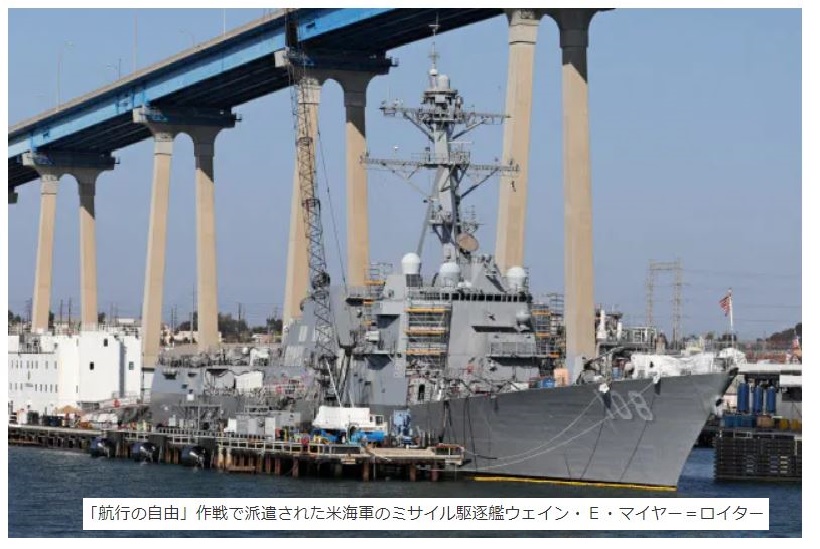
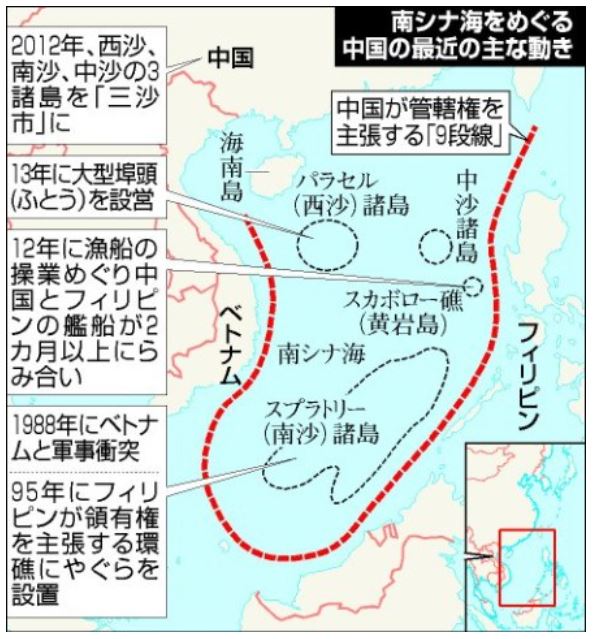
-
https://www.epochtimes.jp/p/2019/09/46642.html
中国の南シナ海環礁埋め立てと日本の安全保障 ( https://ironna.jp/article/1764 )
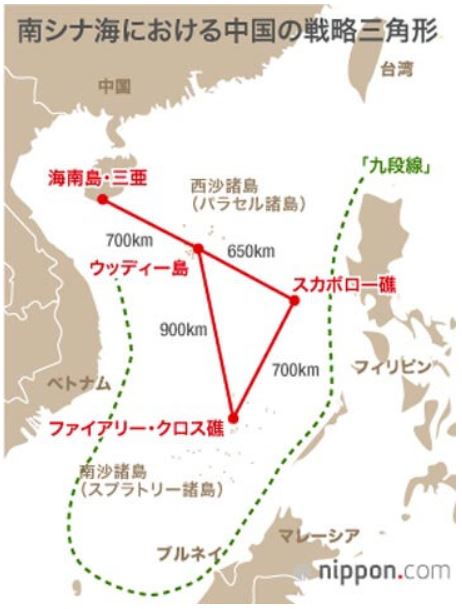
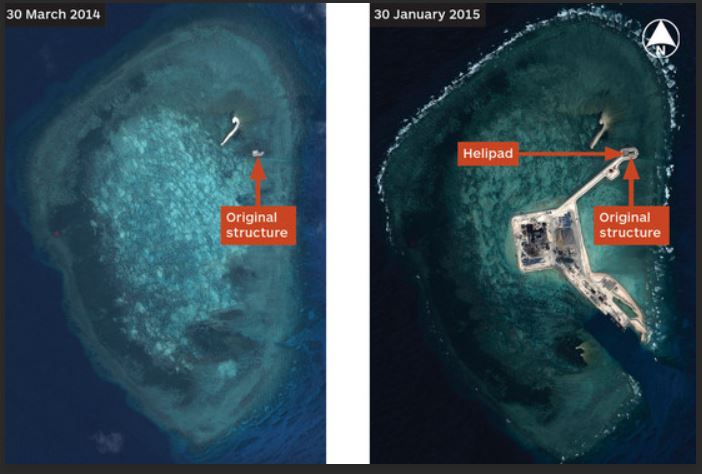
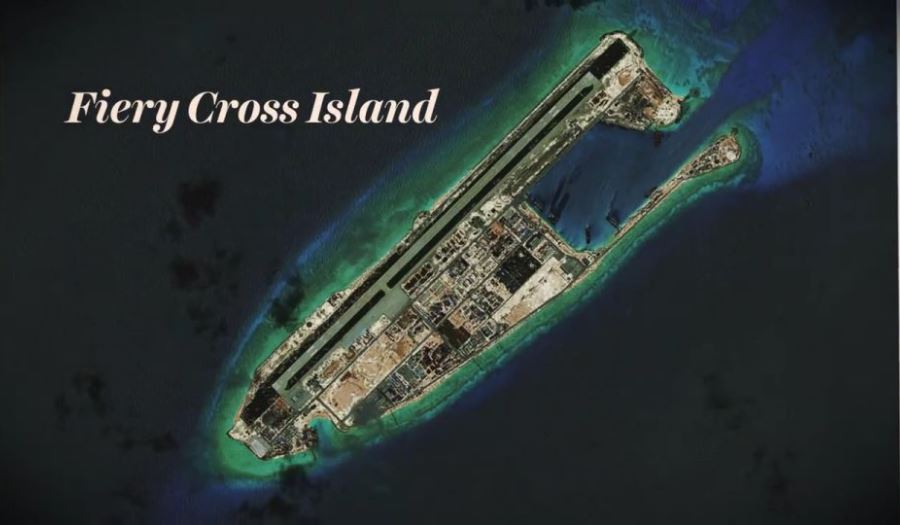
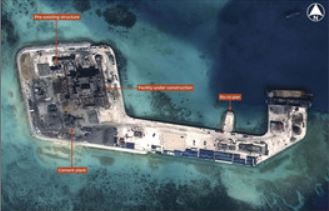
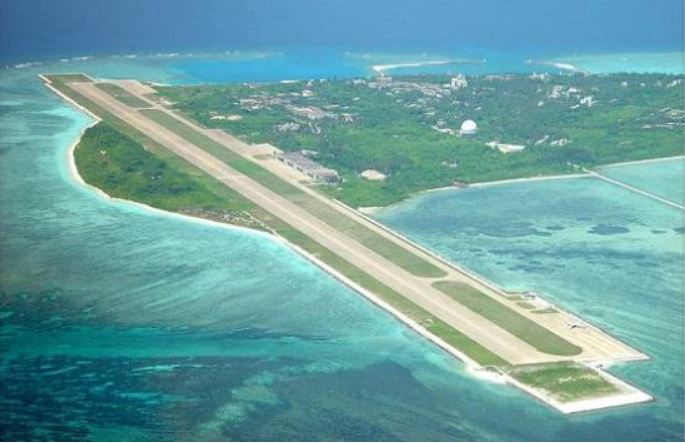
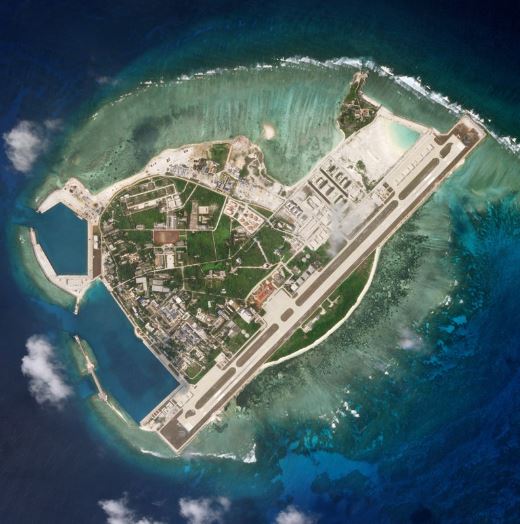
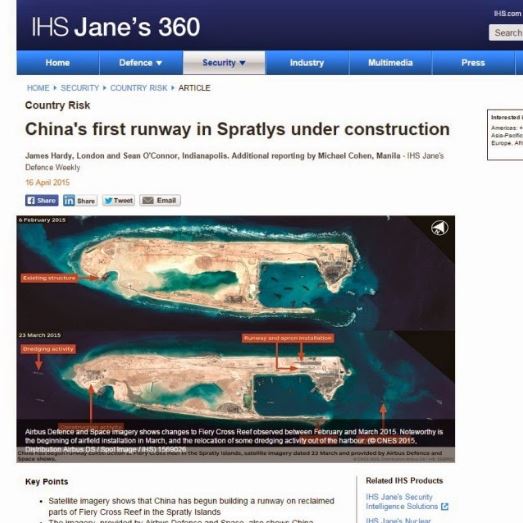
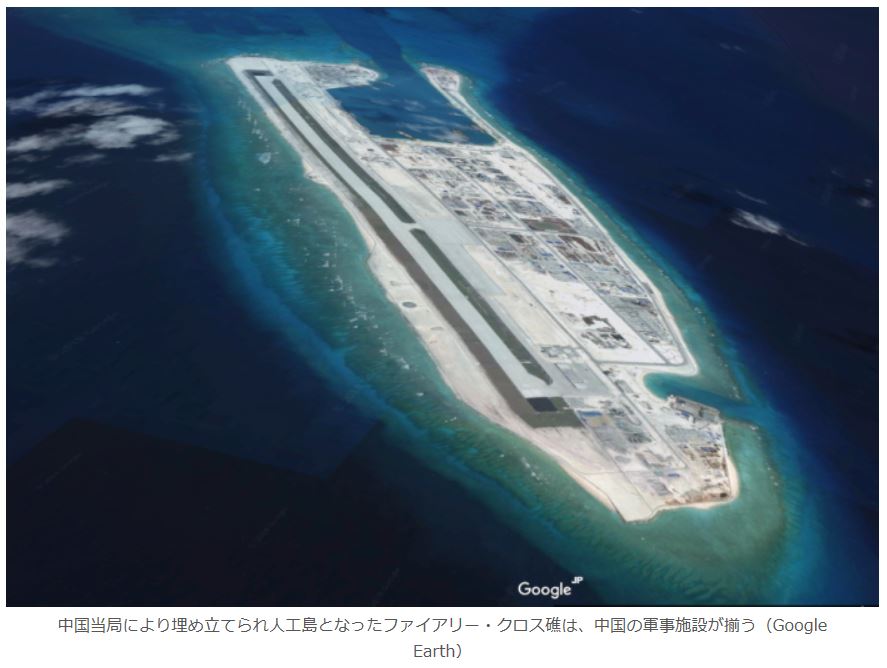
カテゴリー: 中国の戦略
https://http476386114.com/category/%e4%b8%ad%e5%9b%bd%e3%81%ae%e6%88%a6%e7%95%a5/『中国がかわしたい米国の“海峡封鎖” 大国の世界展開は「内海」の確保に始まる』
https://http476386114.com/2018/08/31/%e3%80%8e%e4%b8%ad%e5%9b%bd%e3%81%8c%e3%81%8b%e3%82%8f%e3%81%97%e3%81%9f%e3%81%84%e7%b1%b3%e5%9b%bd%e3%81%ae%e6%b5%b7%e5%b3%a1%e5%b0%81%e9%8e%96%e3%80%80%e5%a4%a7%e5%9b%bd%e3%81%ae/『中国がかわしたい米国の“海峡封鎖”』 (その2)
https://http476386114.com/2018/09/01/%e4%b8%ad%e5%9b%bd%e3%81%8c%e3%81%8b%e3%82%8f%e3%81%97%e3%81%9f%e3%81%84%e7%b1%b3%e5%9b%bd%e3%81%ae%e6%b5%b7%e5%b3%a1%e5%b0%81%e9%8e%96-%e3%80%80%e3%80%80%ef%bc%88%e3%81%9d%e3%81%ae/

