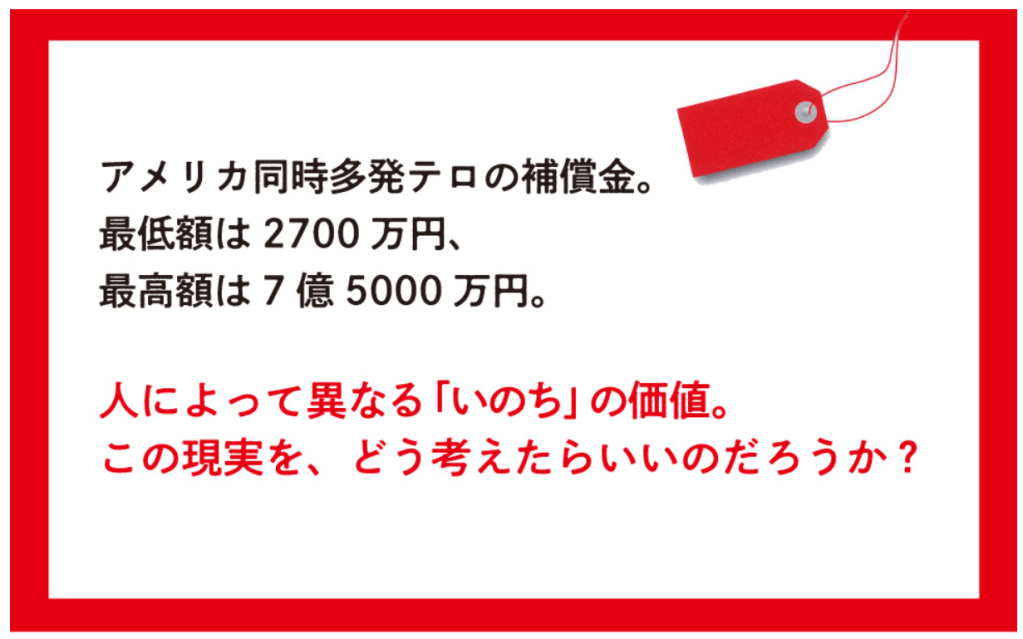
誰もが目をそらしているこの問題に正面から向き合ったのが、ハワード・スティーヴン・フリードマンの『命に〈価格〉はつけられるのか』(南沢篤花訳、慶応義塾出版会)だ。著者のフリードマンはコロンビア大学准教授で、応用物理学の学士号、統計学の修士号、生体医工学の博士号をもつデータサイエンティストで医療経済学者でもある。原題は“Ultimate Price; The Value We Place on Life(究極の価格 わたしたちが人生につける価値)。』
なかでも、増加率が最も大きかった年齢層は50歳未満の成人だった(編注:2021年11月に医学誌「Journal of Dermatological Science」に発表された宮崎県皮膚科医会による1997~2020年の調査結果でも、帯状疱疹は増加傾向にあり、特に近年は20~49歳で発症率が著しく上昇している)。
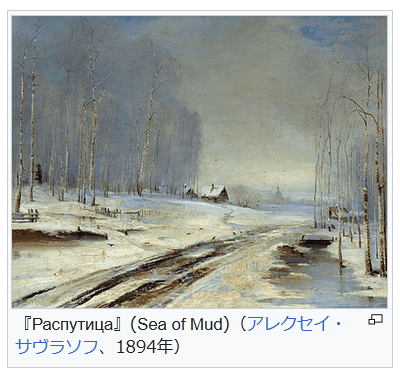
^ カタカナ転写での表記揺れとして、ラスプーチツァ、ラスプティッツァ、ラスプーチッツァ、ラスプーティツァ、ラスプチツァとも。
^ "раз-"も参照。
^ 冬将軍も参照。
^ May (2016), p. 65によると、"During the Mongol invasion of the Rus' principalities in 1238–1240, Novgorod escaped destruction by the Mongols due to an early spring, which transformed the routes to Novgorod into a muddy bog."(日本語訳例:ルーシ公国への1238年から1240年にかけてのモンゴルの侵攻の間、ノヴゴロドへの経路を泥質のボグへと変化させた早春期がためにノヴゴロドはモンゴルによる破壊を免れた。)
^ Overy (1997), pp. 113–114によると、"Both sides now struggled in the autumn mud. On October 6 [1941] the first snow had fallen, unusually early. It soon melted, turning the whole landscape into its habitual trackless state – the rasputitsa, literally the 'time without roads'.... It is commonplace to attribute the German failure to take Moscow to the sudden change in the weather. While it is certainly true that German progress slowed, it had already been slowing because of the fanatical resistance of Soviet forces and the problem of moving supplies over the long distances through occupied territory. The mud slowed the Soviet build-up also, and hampered the rapid deployment of men and machines."(日本語訳例:両陣営はまさに秋の泥の中でもがいていた。(1941年)10月6日、通常より早く初雪が降り、すぐに溶けて風景全体をいつもの轍走路が消えた状態ーラスプティツァ、即ち文字通り「道路喪失期」へと変えた。(中略)ドイツは天候の急変のためにモスクワを落とせなかったとするのが一般的である。こうしてドイツの侵攻の速さが鈍ったことが確かであるが、ソ連軍の執拗な抵抗や占領地を経る長距離の物資輸送の問題により侵攻は既に減速していた。泥はソ連の戦線構築を遅らせ、兵と兵器の早期の展開を妨げもした。)
^ Willmott (1989), p. 153によると、"While the Germans were to blame many factors, and particularly the rasputitsa, for the failure of Operation Taifun, the fact was that logistically the German attack on Moscow was in difficulty before it even began. German rail and road facilities were not sufficient to sustain the offensive beyond Smolensk [...]."(日本語訳例:ドイツ人はタイフーン作戦の失敗を様々な要因のせいにし、特に泥濘期のせいにした。兵站上、泥濘期が始まる前までのモスクワへのドイツの攻撃は難しかったことは事実である。ドイツの鉄道と道路の供給網はスモレンスクを越えての攻勢を維持するのには十分ではなかった。(後略))
^ Pinkus (2005), p. 214によると、"By the time the Germans approached their major objectives such as Rostov, Moscow, or Leningrad the campaigning season was over and Barbarossa was off his horse. [...] [Hitler] had not planned to fight in Russia during the fall and winter. He had stated in his Directive No. 21 that this was to be a 'lightning campaign' to be won in two to four months maximum. [...] the cause of failure was the proposition that the Soviet Union could and would be defeated in a blitzkrieg."(日本語訳例:ドイツの攻勢が主要な目標であったロストフ、モスクワ、レニングラードに到達するまでには、戦役に適した時期は終了し、バルバロッサは馬を降りていた〔訳注:バルバロッサ作戦参照〕。(中略)ヒトラーはロシアで秋と冬に戦う計画はしていなかった。彼は指令第21号で2から最大4ヶ月で勝利を収める「稲妻作戦」であると述べていた。(中略)失敗の原因は、ソ連が電撃戦で敗れる可能性、敗北するだろうという設定の提示にあった。)
^ キーウのロシア軍車列も参照。
出典
^ a b 中澤ほか (2015)「распутица」
^ a b 『泥濘』 - コトバンク
^ распутица < ロシア語辞書
^ a b Siegelbaum 2011.
^ Hambling, David (2022年4月12日). “Mud season in Ukraine leaves Russian tanks stuck in more”. The Guardian. 2023年3月26日閲覧。
^ Joki, Leena (June 2011). “Mihin asti ilmoja piisaa?” (フィンランド語). Kielikuulumisia (Kotimaisten kielten keskus(フィンランド語版、英語版)) (3/2011). オリジナルの28 November 2021時点におけるアーカイブ。 2021年11月28日閲覧。.
^ a b Thiers 1864, p. 243.
^ “Will Ukraine's muddy ground halt Russian tanks?”. The Economist. (2022年2月7日) 2022年3月5日閲覧。
^ Roza, David (2022年3月2日). “'Tanks and mud are not friends' – Ukraine's terrain is proving to be a problem for Russian armor”. Task & Purpose. 2022年3月5日閲覧。
^ “Ukraine: Why has Russia's 64km convoy near Kyiv stopped moving?”. (2022年3月4日) 2022年3月5日閲覧。
^ Meaning ‘General Winter’ for vehicle operational capabilities in Ukraine(英語)
^ 60億人の食糧を支えるスゴい土「チェルノーゼム」がウクライナに集中する3つの理由 - 山と溪谷オンライン
参考文献
Thiers, M. Adolphe (1864). History of the Consulate and the Empire of France under Napoleon. IV. Philadelphia: J. B. Lippincott & Co. "whilst it was almost impossible to drag the gun-carriages through the half-frozen mud" (regarding November 20, 1812)
Willmott, H. P. (1989). The Great Crusade: A New Complete History of the Second World War (revised ed.). Washington, D.C.: Potomac Books, Inc. (2008発行). ISBN 9781597971911
Overy, Richard (1997). Russia's War. London: Penguin. ISBN 1-57500-051-2
Pinkus, Oscar (2005). “Death of Barbarossa”. The War Aims and Strategies of Adolf Hitler. Jefferson, North Carolina: McFarland. p. 241. ISBN 9780786420544
Siegelbaum, Lewis H. (2011). Cars for Comrades: The Life of the Soviet Automobile. Ithaca: Cornell University Press(英語版). ISBN 9780801461484
『プログレッシブ ロシア語辞典 PROGRESSIVE РУССКО-ЯПОНСКИЙ СЛОВАРЬ』中澤英彦(編集主幹)、小学館、2015年。ISBN 9784095102719。
May, Timothy Michael, ed (2016). The Mongo l Empire: A Historical Encyclopedia. Empires of the World. 1. Santa Barbara, California: ABC-CLIO. ISBN 9781610693400
ジェファリー・P・メガーギー「破滅の拒絶 ドイツ統帥部とソ連における攻勢の失敗1941年秋」『紛争の想定外の拡大(令和元年度戦争史研究国際フォーラム報告書)』防衛省防衛研究所、2020年9月、83-95頁。ISBN 978-4-86482-085-1。
Olsen, Julia; Nenashevac, Marina; Hovelsrud, Grete K. (2020-10-04). “‘Road of life’: changing navigation seasons and the adaptation of island communities in the Russian Arctic”. Polar Geography 44 (2021 issue 1): 1-19. doi:10.1080/1088937X.2020.1826593.
関連項目
雪中戦
ウィキソースのロゴ ロシア語版ウィキソースに本記事に関連した原文があります:ТСД2/Бездорожье
泥濘期 (北米)(英語版)(マッドシーズン)
泥濘地作業車 - 湿地車
ケッテンクラート
轍 (道路)(英語版)
fr:Boue#Boue_des_routes - 道路の泥濘化に関する問題
fr:Eau et gel dans les chaussées - 道路土工上の水と霜の問題
slush(スラッシュ) - 英語でシャーベット状の半解けの雪や雪泥をさす言葉。
外部リンク ウィキメディア・コモンズには、泥濘期に関連するカテゴリがあります。
地理歴史(地理総合)102-86 (7)
The return of 'rasputitsa' and what it means for Russia's war in Ukraine(英語) - Yahoo News(2022年8月18日)
ウクライナに「冬将軍」もうすぐ到来 秋雨から泥濘→凍れる大地へ ロシア軍どうする? | 乗りものニュース(白石光、2022年10月22日)
ロシアへの抗戦奏功!? ウクライナ戦況異変と懸念 | 日曜スクープ | BS朝日(2022年3月20日)
ウクライナの「泥濘地獄」に攻めたロシア なぜ? 知らぬはずはない“肥沃な大地の罠” | 乗りものニュース(白石光、2022年3月27日)
なぜロシア軍は「ドロ道」に苦戦? ウクライナ軍事侵攻に見る「泥濘」での「タイヤの重要性」とは | くるまのニュース(2022年4月1日 瓜生洋明)





 ジジイがあれこれ考えた