^ Colette Dowling (1981). The Cinderella Complex: Women's Hidden Fear of Independence [抄訳:コレット・ダウリング『シンデレラ・コンプレックス 自立にとまどう女の告白』木村治美訳、三笠書房、1982年/全訳:『シンデレラ・コンプレックス 自立にとまどう女の告白』柳瀬尚紀訳、三笠書房、1986年]. Simon & Schuster. ISBN 0-671-73334-6
^ 童話『シンデレラ』がそうした筋書きであるように、シンデレラ・ストーリーを歩むための条件のひとつと捉えられるものに「シンデレラになる前は"持たざる者"の状態にあること」というものがある。すなわちこの事例においては「物質的に恵まれない家庭に生まれたこと」。現代においてシンデレラ・ストーリーを体現する人物を多く生むセレブリティ(主に芸能人)に実際にそうした背景を持つ人物が多いだけに(この現象は洋の東西を問わない)、当然の前提条件と見做される容姿とともに必須の条件との認識を受けるに至る。

表話編歴
関連項目 ビッグファイブと文化(英語版) コア自己評価(英語版) DiSCアセスメント(英語版) ファセット(英語版) 目標志向(英語版) HEXACOモデル 道徳的基盤理論(英語版) MBTI 人格心理学 ソンディ・テスト(英語版) 特性理論 音楽選好の心理学 ビッグファイブ性格特性における相関リスト 『消費資本主義!』 参考文献 [脚注の使い方] ^ a b c “The big five personality dimensions and job performance”. SA Journal of Industrial Psychology 29. (24 October 2003). doi:10.4102/sajip.v29i1.88 2013年6月27日閲覧。. ^ a b c d e f 村上 宣寛, 村上 千恵子, 主要5因子性格検査の世代別標準化, 性格心理学研究, 公開日 2017/07/24, Online ISSN 2432-695X, Print ISSN 1345-3629, https://doi.org/10.2132/jjpjspp.8.1_32 ^ a b c d e f g h i 林 智幸 成人愛着スタイルとBigFive性格特性との関係性 ^ a b 『主要5因子性格検査ハンドブック 三訂版: 性格測定の基礎から主要5因子の世界へ』筑摩書房、2017年4月3日、ⅰ-ⅱ頁。ISBN 978-4480970190。 ^ a b “「学力は教育によって無限に開発できる」というのはフェイクニュース一般知能は77%という高い遺伝率を誇る「遺伝的な宝くじ」である[橘玲の日々刻々]”. diamond.jp (2019年1月31日). 2021年4月17日閲覧。 ^ a b “Optional Interview with Dr. Robert Bilder on Creativity and Problem Solving – What is Learning?”. Coursera. 2021年11月25日閲覧。 ^ “The structure of phenotypic personality traits”. The American Psychologist 48 (1): 26–34. (January 1993). doi:10.1037/0003-066x.48.1.26. PMID 8427480. ^ Revised NEO Personality Inventory (NEO-PI-R) and NEO Five-Factor Inventory (NEO-FFI) manual.. Odessa, FL: Psychological Assessment Resources. (1992) ^ Matthews, Gerald; Deary, Ian J.; Whiteman, Martha C. (2003). Personality Traits (2nd ed.). Cambridge University Press. ISBN 978-0-521-83107-9. オリジナルの2014-12-05時点におけるアーカイブ。 ^ a b c d e “How to become a better leader”. MIT Sloan Management Review 53 (3): 51–60. (2012). ^ Miller, Geoffrey. (2014). Spent : sex, evolution, and consumer behavior. Penguin Books. pp. 166-167. ISBN 978-1-101-05084-2. OCLC 883347860 ^ Gerlach, Martin; Farb, Beatrice; Revelle, William; Nunes Amaral, Luís A. (2018-09-17). “A robust data-driven approach identifies four personality types across four large data sets”. Nature Human Behaviour 2 (10): 735–742. doi:10.1038/s41562-018-0419-z. ISSN 2397-3374. ^ “Big Five Personality Dimensions: Characteristics of Individuals with High- and Low-Value Combinations of Dimensions”. web.archive.org (2018年11月26日). 2019年11月25日閲覧。 ^ Hirsh, Jacob B.; DeYoung, Colin G.; Peterson, Jordan B. (2009). “Metatraits of the Big Five Differentially Predict Engagement and Restraint of Behavior” (英語). Journal of Personality 77 (4): 1085–1102. doi:10.1111/j.1467-6494.2009.00575.x. ISSN 1467-6494. ^ a b Fast, Lisa A.; Funder, David C. (2008-02). “Personality as manifest in word use: correlations with self-report, acquaintance report, and behavior”. Journal of Personality and Social Psychology 94 (2): 334–346. doi:10.1037/0022-3514.94.2.334. ISSN 0022-3514. PMID 18211181. ^ a b Gill, Alastair J., Scott Nowson, and Jon Oberlander. What Are They Blogging About? Personality, Topic and Motivation in Blogs. AAAI Publications, Third International AAAI Conference on Weblogs and Social Media (2009): pp. 18-25. ^ a b c Golbeck, Jennifer; Robles, Cristina; Edmondson, Michon; Turner, Karen (2011-10-01). Predicting Personality from Twitter. pp. 149–156. doi:10.1109/PASSAT/SocialCom.2011.33. ^ a b Hirsh, Jacob; Peterson, Jordan (2009-12-30). “Personality and Language Use in Self-Narratives”. Journal of Research in Personality 43: 524–527. doi:10.1016/j.jrp.2009.01.006. ^ a b Yarkoni, Tal (2010-06-01). “Personality in 100,000 Words: A large-scale analysis of personality and word use among bloggers”. Journal of research in personality 44 (3): 363–373. doi:10.1016/j.jrp.2010.04.001. ISSN 0092-6566. PMC 2885844. PMID 20563301. ^ “Personality: what makes you the way you are”. Choice Reviews Online 45 (07): 45–4081-45-4081. (2008-03-01). doi:10.5860/choice.45-4081. ISSN 0009-4978. ^ Mondak, Jeffery J.. Personality and the Foundations of Political Behavior. Cambridge: Cambridge University Press. pp. xv–xvi. ISBN 978-0-511-76151-5 ^ Miller, Geoffrey. (2014). Spent : sex, evolution, and consumer behavior. Penguin Books. ISBN 978-1-101-05084-2. OCLC 883347860 ^ “Psychology of Criminal Conduct”. The SAGE Encyclopedia of Criminal Psychology (2455 Teller Road, Thousand Oaks, California 91320: SAGE Publications, Inc.). (2019). ISBN 978-1-4833-9226-4. ^ Kern, Margaret L.; Eichstaedt, Johannes C.; Schwartz, H. Andrew; Dziurzynski, Lukasz; Ungar, Lyle H.; Stillwell, David J.; Kosinski, Michal; Ramones, Stephanie M. et al. (2013-12-08). “The Online Social Self” (英語). Assessment 21 (2): 158–169. doi:10.1177/1073191113514104. ISSN 1073-1911. ^ a b Arnoux, Pierre-Hadrien; Xu, Anbang; Boyette, Neil; Mahmud, Jalal; Akkiraju, Rama; Sinha, Vibha (2017-04-18). “25 Tweets to Know You: A New Model to Predict Personality with Social Media”. arXiv:1704.05513 [cs]. ^ a b Schwartz, H. Andrew; Eichstaedt, Johannes C.; Kern, Margaret L.; Dziurzynski, Lukasz; Ramones, Stephanie M.; Agrawal, Megha; Shah, Achal; Kosinski, Michal et al. (2013-09-25). “Personality, Gender, and Age in the Language of Social Media: The Open-Vocabulary Approach” (英語). PLOS ONE 8 (9): e73791. doi:10.1371/journal.pone.0073791. ISSN 1932-6203. PMC 3783449. PMID 24086296. ^ a b Plank, Barbara, and Dirk Hovy. Personality Traits on Twitter -or- How to Get 1,500 Personality Tests in a Week. Proceedings of the 6th Workshop on Computational Approaches to Subjectivity, Sentiment and Social Media Analysis (WASSA 2015) (September 2015): pp. 92-98. ^ “Optional Interview with Dr. Robert Bilder on Creativity and Problem Solving – What is Learning?”. Coursera. 2021年11月25日閲覧。 ^ Ambridge, Ben (31 July 2014). Psy-Q: You know your IQ – now test your psychological intelligence. Profile. p. 11. ISBN 9781782830238 ^ a b c d Friedman, Howard; Schustack, Miriam (2016). Personality: Classic Theories and Modern Research (Sixth ed.). Pearson Education Inc. ISBN 978-0-205-99793-0 ^ Wimmer, Lena (2016). “Problem Solving As a Sufficient Condition of the Creative Process: A Case for Closer Cooperation of Creativity Research and Problem Solving Research”. Frontiers in Psychology 7. doi:10.3389/fpsyg.2016.00488/full. ISSN 1664-1078. ^ da Costa, Silvia; Páez, Darío; Sánchez, Flor; Garaigordobil, Maite; Gondim, Sonia (2015-12). “Personal factors of creativity: A second order meta-analysis” (英語). Revista de Psicología del Trabajo y de las Organizaciones 31 (3): 165–173. doi:10.1016/j.rpto.2015.06.002. ^ Root-Bernstein, Robert (2015-06). “Arts and crafts as adjuncts to STEM education to foster creativity in gifted and talented students” (英語). Asia Pacific Education Review 16 (2): 203–212. doi:10.1007/s12564-015-9362-0. ISSN 1598-1037. ^ Zare, Mortaza; Flinchbaugh, Carol (2019-01). “Voice, creativity, and big five personality traits: A meta-analysis” (英語). Human Performance 32 (1): 30–51. doi:10.1080/08959285.2018.1550782. ISSN 0895-9285. ^ Feist, Gregory J. (1998-11). “A Meta-Analysis of Personality in Scientific and Artistic Creativity” (英語). Personality and Social Psychology Review 2 (4): 290–309. doi:10.1207/s15327957pspr0204_5. ISSN 1088-8683. ^ “Optional Interview with Dr. Robert Bilder on Creativity and Problem Solving – What is Learning?”. Coursera. 2022年6月2日閲覧。 ^ Solan, Matthew (2021年11月1日). “Health and happiness go hand in hand” (英語). Harvard Health. 2024年2月9日閲覧。 ^ a b c Barrick, Murray R.; Mount, Michael K. (1991-03). “THE BIG FIVE PERSONALITY DIMENSIONS AND JOB PERFORMANCE: A META‐ANALYSIS” (英語). Personnel Psychology 44 (1): 1–26. doi:10.1111/j.1744-6570.1991.tb00688.x. ISSN 0031-5826. ^ “Intellectual Humility: Science”. Coursera. 2024年2月9日閲覧。 ^ a b c d e “IPIP Home”. 2019年11月11日閲覧。 ^ a b c d e “Big Five Personality Facets: Descriptions of High and Low Values”. web.archive.org (2018年11月26日). 2019年11月25日閲覧。 ^ “IBM Cloud Docs”. cloud.ibm.com. 2021年4月17日閲覧。 ^ Neo PI-R professional manual.. Odessa, FL: Psychological Assessment Resources. (1992) ^ “Research Reports on Science from Michigan State University Provide New Insights”. Science Letter. Gale Student Resource in Context. 2012年4月4日閲覧。 ^ Sackett, Paul R., and Philip T. Walmsley. “Which Personality Attributes Are Most Important in the Workplace?” Perspectives on Psychological Science, 17 Sept. 2014, pp. 538–551., doi:10.1177/1745691614543972. ^ “The Science of Success: What Researchers Know that You Should Know”. Coursera. 2023年3月12日閲覧。 ^ “What is Conscientiousness, and Why Are Conscientiousness People More Likely to Succeed in School, at Work, and in Life?” (英語). FutureLearn. 2023年3月14日閲覧。 ^ Zare, Mortaza; Flinchbaugh, Carol (2019-01). “Voice, creativity, and big five personality traits: A meta-analysis” (英語). Human Performance 32 (1): 30–51. doi:10.1080/08959285.2018.1550782. ISSN 0895-9285. ^ A. Appu, S. Sia, B. Sahoo (31 May 2015). “Creativity at Workplace: Proposing Some Contributors”. International journal of innovative research and development. ^ Hunter, Samuel T.; Bedell, Katrina E.; Mumford, Michael D. (2007-05). “Climate for Creativity: A Quantitative Review” (英語). Creativity Research Journal 19 (1): 69–90. doi:10.1080/10400410709336883. ISSN 1040-0419. ^ Laney, Marti Olsen (2002). The Introvert Advantage. Canada: Thomas Allen & Son Limited. pp. 28, 35. ISBN 978-0-7611-2369-9 ^ “An Examination of the Impact of Selected Personality Traits on the Innovative Behaviour of Entrepreneurs in Nigeria”. cscanada. Canadian Research & Development Center of Sciences and Cultures. 2013年11月11日時点のオリジナルよりアーカイブ。2012年11月14日閲覧。 ^ “1: Race Cars, Hikers, and Intellectual Humility – Week 3: Intellectual Humility, Critical Thinking, and Bias”. Coursera. 2022年6月5日閲覧。 ^ da Costa, Silvia; Páez, Darío; Sánchez, Flor; Garaigordobil, Maite; Gondim, Sonia (2015-12). “Personal factors of creativity: A second order meta-analysis” (英語). Revista de Psicología del Trabajo y de las Organizaciones 31 (3): 165–173. doi:10.1016/j.rpto.2015.06.002. ^ Zare, Mortaza; Flinchbaugh, Carol (2019-01). “Voice, creativity, and big five personality traits: A meta-analysis” (英語). Human Performance 32 (1): 30–51. doi:10.1080/08959285.2018.1550782. ISSN 0895-9285. ^ A. Appu, S. Sia, B. Sahoo (31 May 2015). “Creativity at Workplace: Proposing Some Contributors”. International journal of innovative research and development. ^ “”Daisy, daisy, give me your answer do!” switching off a robot”. Eindhoven, Netherlands: Dept. of Ind. Design, Eindhoven Univ. of Technol.. pp. 217–222 (2007年3月). 2013年2月6日閲覧。 ^ “Five-factor model of personality and transformational leadership”. The Journal of Applied Psychology 85 (5): 751–65. (October 2000). doi:10.1037/0021-9010.85.5.751. PMID 11055147. ^ “Transformational leadership: relations to the five-factor model and team performance in typical and maximum contexts”. The Journal of Applied Psychology 89 (4): 610–21. (August 2004). doi:10.1037/0021-9010.89.4.610. PMID 15327348. ^ Jensen-Campbell, Lauri A.; Knack, Jennifer M.; Gomez, Haylie L. (2010-11). “The Psychology of Nice People: Nice People” (英語). Social and Personality Psychology Compass 4 (11): 1042–1056. doi:10.1111/j.1751-9004.2010.00307.x. ^ da Costa, Silvia; Páez, Darío; Sánchez, Flor; Garaigordobil, Maite; Gondim, Sonia (2015-12). “Personal factors of creativity: A second order meta-analysis” (英語). Revista de Psicología del Trabajo y de las Organizaciones 31 (3): 165–173. doi:10.1016/j.rpto.2015.06.002. ^ Zare, Mortaza; Flinchbaugh, Carol (2019-01). “Voice, creativity, and big five personality traits: A meta-analysis” (英語). Human Performance 32 (1): 30–51. doi:10.1080/08959285.2018.1550782. ISSN 0895-9285. ^ a b c “Mutual reinforcement between neuroticism and life experiences: a five-wave, 16-year study to test reciprocal causation”. Journal of Personality and Social Psychology 107 (4): 751–64. (October 2014). doi:10.1037/a0037009. PMID 25111305. ^ “The Big Five personality factors and psychological well-being following stroke: a systematic review”. Disability and Rehabilitation: 1–12. (December 2017). doi:10.1080/09638288.2017.1419382. PMID 29272953. ^ Lyubomirsky, Sonja; King, Laura; Diener, Ed (2005-11). “The Benefits of Frequent Positive Affect: Does Happiness Lead to Success?” (英語). Psychological Bulletin 131 (6): 803–855. doi:10.1037/0033-2909.131.6.803. ISSN 1939-1455. ^ Bergsma, Ad; Buijt, Ivonne; Veenhoven, Ruut (2020-11-17). “Will Happiness-Trainings Make Us Happier? A Research Synthesis Using an Online Findings-Archive”. Frontiers in Psychology 11. doi:10.3389/fpsyg.2020.01953. ISSN 1664-1078. PMC PMC7707103. PMID 33312145. ^ Jacobs Bao, Katherine; Lyubomirsky, Sonja (2013-01-01). The Rewards of Happiness. Oxford University Press. doi:10.1093/oxfordhb/9780199557257.013.0009 ^ Boehm, Julia K.; Lyubomirsky, Sonja (2008-02). “Does Happiness Promote Career Success?” (英語). Journal of Career Assessment 16 (1): 101–116. doi:10.1177/1069072707308140. ISSN 1069-0727. ^ Walsh, Lisa C.; Boehm, Julia K.; Lyubomirsky, Sonja (2018-05). “Does Happiness Promote Career Success? Revisiting the Evidence” (英語). Journal of Career Assessment 26 (2): 199–219. doi:10.1177/1069072717751441. ISSN 1069-0727. ^ a b “Neuroticism is associated with larger and more prolonged electrodermal responses to emotionally evocative pictures”. Psychophysiology 44 (5): 823–6. (September 2007). doi:10.1111/j.1469-8986.2007.00551.x. PMID 17596178. ^ The Long Shadow of Temperament.. Cambridge, MA: Harvard University Press. (2009) ^ Handbook of Social Psychology. Hoboken, NJ: Wiley. (2009) ^ “Neuroticism modifies psychophysiological responses to fearful films”. PLOS One 7 (3): e32413. (2012). Bibcode: 2012PLoSO…732413R. doi:10.1371/journal.pone.0032413. PMC 3316522. PMID 22479326. ^ a b “Negative and positive life events are associated with small but lasting change in neuroticism”. Psychological Medicine 43 (11): 2403–15. (November 2013). doi:10.1017/s0033291713000159. PMID 23410535. ^ Differentiating Normal and Abnormal Personality: Second Edition. New York, NY: Springer Publishing Company. (2006) ^ “A meta-analysis of the five-factor model of personality and academic performance”. Psychological Bulletin 135 (2): 322–38. (March 2009). doi:10.1037/a0014996. PMID 19254083. ^ “Personality structure: Emergence of the five-factor model”. Annual Review of Psychology 41: 417–440. (1990). doi:10.1146/annurev.ps.41.020190.002221. ^ Shrout, Patrick E.; Fiske, Susan T. (1995). Personality research, methods, and theory. Psychology Press ^ “Trait names: A psycholexical study”. Psychological Monographs 47: 211. (1936). doi:10.1037/h0093360. ^ a b “Dimensional personality traits and the prediction of DSM-IV personality disorder symptom counts in a nonclinical sample”. Journal of Personality Disorders 19 (1): 53–67. (February 2005). doi:10.1521/pedi.19.1.53.62180. PMID 15899720. ^ a b “Recurrent personality factors based on trait ratings.”. USAF ASD Tech. Rep. (61–97). (1961). ^ “Toward an adequate taxonomy of personality attributes: replicated factors structure in peer nomination personality ratings”. Journal of Abnormal and Social Psychology 66 (6): 574–83. (June 1963). doi:10.1037/h0040291. PMID 13938947. ^ “The structure of phenotypic personality traits”. The American Psychologist 48 (1): 26–34. (January 1993). doi:10.1037/0003-066X.48.1.26. PMID 8427480. ^ “A quantitative review of the comprehensiveness of the five-factor model in relation to popular personality inventories”. Assessment 9 (2): 188–203. (June 2002). doi:10.1177/1073191102092010. PMID 12066834. ^ “From Ace to Zombie: Some explorations in the language of personality”. Advances in personality assessment. 1. Hillsdale, NJ: Erlbaum. (1982). pp. 201–234 ^ “Raters, ratees, and randomness in personality structure”. Journal of Personality and Social Psychology 4 (6): 681–691. (1966). doi:10.1037/h0024002. ^ “Some determinants of factor structures from personality-trait descriptors”. Journal of Personality and Social Psychology 57 (3): 552–67. (September 1989). doi:10.1037/0022-3514.57.3.552. PMID 2778639. ^ “The language of personality: Lexical perspectives on the five-factor model”. The five-factor model of personality: Theoretical perspectives.. New York: Guilford. (1996)[要ページ番号] ^ “Five robust trait dimensions: development, stability, and utility”. Journal of Personality 57 (2): 195–214. (June 1989). doi:10.1111/j.1467-6494.1989.tb00480.x. PMID 2671337. ^ Karson S, O’Dell JW (1976). A guide to the clinical use of the 16PF (Report). Champaign, IL: Institute for Personality & Ability Testing. ^ “A large scale cross-validation of second-order personality structure defined by the 16PF”. Psychological Reports 59 (2): 683–693. (1986). doi:10.2466/pr0.1986.59.2.683. ^ “The 16 Personality Factor Questionnaire (16PF)”. Handbook of personality theory and testing. Volume 2: Personality measurement and assessment.. London: Sage. (2007)[要ページ番号] ^ “Age differences in personality structure: a cluster analytic approach”. Journal of Gerontology 31 (5): 564–70. (September 1976). doi:10.1093/geronj/31.5.564. PMID 950450. ^ The NEO Personality Inventory manual.. Odessa, FL: Psychological Assessment Resources. (1985) ^ “Validation of the five-factor model of personality across instruments and observers”. Journal of Personality and Social Psychology 52 (1): 81–90. (January 1987). doi:10.1037/0022-3514.52.1.81. PMID 3820081. ^ “An introduction to the five-factor model and its applications”. Journal of Personality 60 (2): 175–215. (June 1992). doi:10.1111/j.1467-6494.1992.tb00970.x. PMID 1635039. ^ “Decision Making Individual Differences Inventory – International Personality Item Pool”. sjdm.org. 2019年11月25日閲覧。 ^ “The international personality item pool and the future of public-domain personality measures”. Journal of Research in Personality 40 (1): 84–96. (February 2006). doi:10.1016/j.jrp.2005.08.007. ^ The 16PF Fifth Edition technical manual.. Champaign, IL: Institute for Personality & Ability Testing. (1994) ^ “The original big five: A historical perspective”. European Review of Applied Psychology 46: 5–14. (1996). ^ “The comparative validity of 11 modern personality inventories: predictions of behavioral acts, informant reports, and clinical indicators”. Journal of Personality Assessment 89 (2): 167–87. (October 2007). doi:10.1080/00223890701468568. PMID 17764394. ^ “Number of factors in the personality sphere: does increase in factors increase predictability of real-life criteria?”. Journal of Personality and Social Psychology 55 (4): 675–680. (1988). doi:10.1037/0022-3514.55.4.675. ^ “Big Five factors and facets and the prediction of behavior”. Journal of Personality & Social Psychology 81 (3): 524–539. (2001). doi:10.1037/0022-3514.81.3.524. ^ “About Us”. Cambridge Analytica. 2016年2月16日時点のオリジナルよりアーカイブ。2015年12月27日閲覧。 ^ Sellers, Frances Stead (2015年10月19日). “Cruz campaign paid $750,000 to ‘psychographic profiling’ company”. The Washington Post 2016年2月7日閲覧。 ^ “Between facets and domains: 10 aspects of the Big Five”. Journal of Personality and Social Psychology 93 (5): 880–96. (November 2007). doi:10.1037/0022-3514.93.5.880. PMID 17983306. ^ a b c Musek, Janek (2017). The General Factor of Personality. London, England: Academic Press. pp. 14–25. ISBN 978-0-12-811249-6 ^ Shrout, Patrick E.; Fiske, Susan T. (1995). Personality research, methods, and theory. Psychology Press ^ “Trait names: A psycholexical study”. Psychological Monographs 47: 211. (1936). ^ “Dimensional personality traits and the prediction of DSM-IV personality disorder symptom counts in a nonclinical sample”. Journal of Personality Disorders 19 (1): 53–67. (February 2005). doi:10.1521/pedi.19.1.53.62180. PMID 15899720. ^ “Recurrent personality factors based on trait ratings.”. USAF ASD Tech. Rep. (61–97). (1961). ^ “Toward an adequate taxonomy of personality attributes: replicated factors structure in peer nomination personality ratings”. Journal of Abnormal and Social Psychology 66 (6): 574–83. (June 1963). doi:10.1037/h0040291. PMID 13938947. ^ “Effects on academic learning of manipulating emotional states and motivational dynamics”. The British Journal of Educational Psychology 53 (Pt 3) (3): 347–57. (November 1983). doi:10.1111/j.2044-8279.1983.tb02567.x. PMID 6652035. ^ “The person-situation debate in historical and current perspective”. Psychological Bulletin 98 (3): 513–37. (November 1985). doi:10.1037/0033-2909.98.3.513. PMID 4080897. ^ “Profiting from controversy. Lessons from the person-situation debate”. The American Psychologist 43 (1): 23–34. (January 1988). doi:10.1037/0003-066x.43.1.23. PMID 3279875. ^ Lucas, Richard E.; Donnellan, M. Brent (2009). “If the person-situation debate is really over, why does it still generate so much negative affect?”. Journal of Research in Personality 43 (3): 146–149. doi:10.1016/j.jrp.2009.02.009. ^ “Mischel and the concept of personality”. British Journal of Psychology 71 (2): 191–204. (1980). doi:10.1111/j.2044-8295.1980.tb01737.x. ^ “Language and individual differences: The search for universals in personality lexicons”. Review of Personality and social psychology. 1. Beverly Hills, CA: Sage. (1981). pp. 141–165 ^ Goldberg LR (May 1980). Some ruminations about the structure of individual differences: Developing a common lexicon for the major characteristics of human personality. Symposium presentation at the meeting of the Western Psychological Association (Report). Honolulu, HI. ^ Saville & Holdsworth Ltd. (1984). Occupational Personality Questionnaires manual. Esher, Surrey: Saville & Holdsworth Ltd. ^ “Measurement and statistical models in the study of personality and intelligence”. International Handbook of Personality and Intelligence. (1995). pp. 417–446 ^ a b “Ten aspects of the Big Five in the Personality Inventory for DSM-5”. Personality Disorders 7 (2): 113–23. (April 2016). doi:10.1037/per0000170. PMC 4818974. PMID 27032017. ^ a b “Temperament and personality: Origins and outcomes”. Journal of Personality and Social Psychology 78 (1): 122–135. (2000). doi:10.1037/0022-3514.78.1.122. ^ “Nature over nurture: temperament, personality, and life span development”. Journal of Personality and Social Psychology 78 (1): 173–86. (January 2000). doi:10.1037/0022-3514.78.1.173. PMID 10653513. ^ a b “Personality differences in childhood and adolescence: measurement, development, and consequences”. Journal of Child Psychology and Psychiatry, and Allied Disciplines 44 (1): 2–32. (January 2003). doi:10.1111/1469-7610.00101. PMID 12553411. ^ “Children’s behavioral manifestations of the five-factor model of personality”. Personality & Social Psychology Bulletin 30 (4): 423–32. (April 2004). doi:10.1177/0146167203261886. PMID 15070472. ^ a b c “The interlocking between functional aspects of activities and a neurochemical model of adult temperament”. Temperaments: Individual Differences, Social and Environmental Influences and Impact on Quality of Life. New York: Nova Science Publishers. (2016). pp. 77–147 ^ a b Structure of Temperament and Its Measurement. Toronto, Canada: Psychological Services Press. (2007)[要ページ番号] ^ a b Temperament: A Psychological Perspective.. New York: Plenum. (1998) ^ “Motor and communicative aspects of human temperament: a new questionnaire of the structure of temperament.”. Personality and Individual Differences 10 (8): 817–827. (1989). doi:10.1016/0191-8869(89)90017-2. ^ “Taxonomies of psychological individual differences: biological perspectives on millennia-long challenges”. Philosophical Transactions of the Royal Society of London. Series B, Biological Sciences 373 (1744): 20170152. (April 2018). doi:10.1098/rstb.2017.0152. PMC 5832678. PMID 29483338. ^ “An investigation into differences between the structure of temperament and the structure of personality”. American Journal of Psychology 123 (4): 467–480. (2010). doi:10.5406/amerjpsyc.123.4.0467. ^ “Heritability of the big five personality dimensions and their facets: a twin study”. Journal of Personality 64 (3): 577–91. (September 1996). doi:10.1111/j.1467-6494.1996.tb00522.x. PMID 8776880. ^ 安藤寿康『遺伝と環境の心理学―人間行動遺伝学入門』培風館、2014年 ^ a b “Genetic and environmental influences on human psychological differences”. Journal of Neurobiology 54 (1): 4–45. (January 2003). doi:10.1002/neu.10160. PMID 12486697. ^ “A cross-setting study of chimpanzee (Pan troglodytes) personality structure and development: zoological parks and Yerkes National Primate Research Center”. American Journal of Primatology 69 (11): 1264–77. (November 2007). doi:10.1002/ajp.20428. PMC 2654334. PMID 17397036. ^ “Personality Dimensions in Nonhuman Animals: A Cross-Species Review”. Current Directions in Psychological Science 8 (3): 69–75. (1999). doi:10.1111/1467-8721.00017. ^ a b c d “Temperament and personality: Origins and outcomes”. Journal of Personality and Social Psychology 78 (1): 122–135. (2000). doi:10.1037/0022-3514.78.1.122. ^ a b c d e “Personality differences in childhood and adolescence: measurement, development, and consequences”. Journal of Child Psychology and Psychiatry, and Allied Disciplines 44 (1): 2–32. (January 2003). doi:10.1111/1469-7610.00101. PMID 12553411. ^ a b c “Children’s behavioral manifestations of the five-factor model of personality”. Personality & Social Psychology Bulletin 30 (4): 423–32. (April 2004). doi:10.1177/0146167203261886. PMID 15070472. ^ “Age differences in personality traits from 10 to 65: Big Five domains and facets in a large cross-sectional sample”. Journal of Personality and Social Psychology 100 (2): 330–48. (February 2011). doi:10.1037/a0021717. PMID 21171787. ^ a b c d “The Little Six Personality Dimensions From Early Childhood to Early Adulthood: Mean-Level Age and Gender Differences in Parents’ Reports”. Journal of Personality 84 (4): 409–22. (August 2016). doi:10.1111/jopy.12168. PMID 25728032. ^ “Issues in the study of personality development”. Psychological Inquiry 12 (2): 67–83. (2001). doi:10.1207/s15327965pli1202_02. ^ “Analyses of Digman’s child- personality data: Derivation of Big Five Factor Scores from each of six samples”. Journal of Personality 69 (5): 709–743. (2001). doi:10.1111/1467-6494.695161. ^ “Construction of the Hierarchical Personality Inventory for Children (Hi- PIC).”. Personality psychology in Europe: Proceedings of the Eighth European Conference on Personality. Tilburg University Press. (1999). pp. 107–127 ^ “Measuring personality traits in the classroom”. European Journal of Personality 13 (6): 493–509. (1999). doi:10.1002/(sici)1099-0984(199911/12)13:6<493::aid-per355>3.0.co;2-v. hdl:1871/18675. ^ “A preliminary validation of preadolescents’ self-reports using the Five-Factor Model of personality”. Journal of Research in Personality 36 (2): 173–181. (2002). doi:10.1006/jrpe.2001.2341. ^ “Adolescent personality factors in self-ratings and peer nominations and their prediction of peer acceptance and peer rejection”. Journal of Personality Assessment 69 (3): 534–54. (December 1997). doi:10.1207/s15327752jpa6903_8. PMID 9501483. ^ “The Big Five personality factors in Q-sort descriptions of children and adolescents.”. The developing structure of temperament and personality from infancy to adulthood. Hillsdale NJ: Erlbaum. (1994). pp. 293–318 ^ a b c d e f “Children’s behavioral manifestations of the five-factor model of personality”. Personality & Social Psychology Bulletin 30 (4): 423–32. (April 2004). doi:10.1177/0146167203261886. PMID 15070472. ^ a b c d e “Personality differences in childhood and adolescence: measurement, development, and consequences”. Journal of Child Psychology and Psychiatry, and Allied Disciplines 44 (1): 2–32. (January 2003). doi:10.1111/1469-7610.00101. PMID 12553411. ^ a b c The developing structure of temperament and personality from infancy to adulthood.. Hillsdale, NJ: Erlbaum. (1994) ^ a b c Parental descriptions of child personality: Developmental antecedents of the Big Five?. Psychology Press. (1998) ^ “Linking openness and intellect in childhood and adulthood.”. Parental descriptions of child personality: Developmental antecedents of the Big Five.. Mahway, NJ: Erlbaum. (May 1998). pp. 105–26 ^ “The Big-Five trait taxonomy: history, measurement, and theoretical perspectives”. Handbook of personality: Theory and research. 2. New York: Guilford Press. (1999). pp. 102–138 ^ a b c d e f Soto, Christopher; Tackett, Jennifer (2015). “Personality Traits in Childhood and Adolescence: Structure, Development, and Outcomes”. Current Directions in Psychological Science 24: 358–362. ^ a b “The Little Six Personality Dimensions From Early Childhood to Early Adulthood: Mean-Level Age and Gender Differences in Parents’ Reports”. Journal of Personality 84 (4): 409–22. (August 2016). doi:10.1111/jopy.12168. PMID 25728032. ^ a b c “Patterns of mean-level change in personality traits across the life course: a meta-analysis of longitudinal studies”. Psychological Bulletin 132 (1): 1–25. (January 2006). doi:10.1037/0033-2909.132.1.1. PMID 16435954. ^ “Nature over nurture: temperament, personality, and life span development”. Journal of Personality and Social Psychology 78 (1): 173–86. (January 2000). doi:10.1037/0022-3514.78.1.173. PMID 10653513. ^ “The rank-order consistency of personality traits from childhood to old age: a quantitative review of longitudinal studies”. Psychological Bulletin 126 (1): 3–25. (January 2000). PMID 10668348. ^ a b “Temperament and personality: Origins and outcomes”. Journal of Personality and Social Psychology 78 (1): 122–135. (2000). doi:10.1037/0022-3514.78.1.122. ^ a b c d e f g h i “Personality differences in childhood and adolescence: measurement, development, and consequences”. Journal of Child Psychology and Psychiatry, and Allied Disciplines 44 (1): 2–32. (January 2003). doi:10.1111/1469-7610.00101. PMID 12553411. ^ “Children’s behavioral manifestations of the five-factor model of personality”. Personality & Social Psychology Bulletin 30 (4): 423–32. (April 2004). doi:10.1177/0146167203261886. PMID 15070472. ^ “Developmental models of infant and childhood temperament”. Developmental Psychology 35 (1): 189–204. (January 1999). doi:10.1037/0012-1649.35.1.189. PMID 9923474. ^ Temperament: early developing personality trait. Hillsdale: Erlbaum. (1984) ^ a b The Long Shadow of Temperament.. Cambridge, MA: Harvard University Press. (2009) ^ “Analyses of Digman’s child- personality data: Derivation of Big Five Factor Scores from each of six samples”. Journal of Personality 69 (5): 709–743. (2001). doi:10.1111/1467-6494.695161. ^ “Investigations of temperament at three to seven years: the Children’s Behavior Questionnaire”. Child Development 72 (5): 1394–408. (2001). doi:10.1111/1467-8624.00355. PMID 11699677. ^ “The “little five”: exploring the nomological network of the five-factor model of personality in adolescent boys”. Child Development 65 (1): 160–78. (February 1994). doi:10.2307/1131373. JSTOR 1131373. PMID 8131645. ^ “Temperament, development, and the Five-Factor Model: Lessons from activity level”. The developing structure of temperament and personality from infancy to adulthood. Hillsdale, NJ: Erlbaum. (1994). pp. 173–187 ^ “The ontogenesis of social dominance: A strategy-based evolutionary perspective”. Developmental Review 19: 97–132. (1999). doi:10.1006/drev.1998.0470. ^ “On winning some and losing some: A social relations approach to social dominance in toddlers”. Merrill Palmer Quarterly 45: 185–214. (1999). ^ Intergroup conflict and cooperation: The robbers’ cave experiment.. Norman, OK: University of Oklahoma Press. (1961). OCLC 953442127 ^ “Dominance and deception in children and adults: Are leaders the best misleaders?”. Personality and Social Psychology Bulletin 20 (3): 312–321. (1994). doi:10.1177/0146167294203009. ^ “Development of inhibition during childhood: Evidence for situational specificity and a two-factor model”. Developmental Psychology 26 (5): 721–730. (1990). doi:10.1037/0012-1649.26.5.721. ^ “Personality effects on children’s speech in everyday life: Sociability-mediated exposure and shyness-mediated re- activity to social situations”. Journal of Personality and Social Psychology 64 (6): 1072–1083. (1993). doi:10.1037/0022-3514.64.6.1072. ^ “Subtypes of social withdrawal in early childhood: sociometric status and social-cognitive differences across four years”. Child Development 68 (2): 278–94. (April 1997). doi:10.2307/1131850. JSTOR 1131850. PMID 9180002. ^ “The EAS temperament questionnaire–factor structure, age trends, reliability, and stability in a Norwegian sample”. Journal of Child Psychology and Psychiatry, and Allied Disciplines 40 (3): 431–9. (March 1999). doi:10.1111/1469-7610.00460. PMID 10190344. ^ Personality in adulthood.. New York: The Guildford Press. (1990)[要ページ番号] ^ The Long Shadow of Temperament.. Cambridge, MA: Harvard University Press. (2009) ^ “The stability of big-five personality traits”. Economics Letters 115 (2): 11–15. (2012). doi:10.1016/2011.11.015. ^ “Development of personality in early and middle adulthood: set like plaster or persistent change?”. Journal of Personality and Social Psychology 84 (5): 1041–53. (May 2003). doi:10.1037/0022-3514.84.5.1041. PMID 12757147. ^ “Age differences in personality traits from 10 to 65: Big Five domains and facets in a large cross-sectional sample”. Journal of Personality and Social Psychology 100 (2): 330–48. (February 2011). doi:10.1037/a0021717. PMID 21171787. ^ “Personality Trait Change in Adulthood”. Current Directions in Psychological Science 17 (1): 31–35. (February 2008). doi:10.1111/j.1467-8721.2008.00543.x. PMC 2743415. PMID 19756219. ^ “Towards a structure- and process-integrated view of personality: Traits as density distributions of states”. Journal of Personality and Social Psychology 80 (6): 1011–1027. (2001). doi:10.1037/0022-3514.80.6.1011. ^ Mõttus, René; Johnson, Wendy; Starr, John M.; Dearya, Ian J. (June 2012). “Correlates of personality trait levels and their changes in very old age: The Lothian Birth Cohort 1921”. Journal of Research in Personality 46 (3): 271–8. doi:10.1016/j.jrp.2012.02.004. ^ Cobb-Clark, Deborah A.; Schurer, Stefanie (April 2012). “The stability of big-five personality traits”. Economics Letters 115 (1): 11–5. doi:10.1016/j.econlet.2011.11.015. hdl:10419/55111. ^ “Personality changes in Alzheimer’s disease: a systematic review”. International Journal of Geriatric Psychiatry 26 (10): 1019–29. (October 2011). doi:10.1002/gps.2655. PMID 21905097. ^ “Personality and gender in swimmers in indoor practice at leisure level.”. Social Behavior and Personality 41 (4): 693–704. (2013). doi:10.2224/sbp.2013.41.4.693. ^ a b “Gender differences in personality traits across cultures: robust and surprising findings”. Journal of Personality and Social Psychology 81 (2): 322–331. (August 2001). doi:10.1037/0022-3514.81.2.322. PMID 11519935. ^ a b “Why can’t a man be more like a woman? Sex differences in Big Five personality traits across 55 cultures”. Journal of Personality and Social Psychology 94 (1): 168–182. (January 2008). doi:10.1037/0022-3514.94.1.168. PMID 18179326. ^ “Associations between birth order and personality traits: Evidence from self-reports and observer ratings”. Journal of Research in Personality 32 (4): 498–509. (1998). doi:10.1006/jrpe.1998.2233. ^ Harris, J. R. (2006). No two alike: Human nature and human individuality. WW Norton & Company. ^ “The associations of birth order with personality and intelligence in a representative sample of U.S. high school students”. Journal of Research in Personality 58: 96–105. (October 2015). doi:10.1016/j.jrp.2015.05.005. ^ “Five-factor model (Big Five) personality traits and universal-diverse orientation in counselor trainees”. The Journal of Psychology 136 (5): 561–72. (September 2002). doi:10.1080/00223980209605551. PMID 12431039. ^ Ostendorf, F. (1990). Sprache und Persoenlichkeitsstruktur: Zur Validitaet des Funf-Factoren-Modells der Persoenlichkeit. Regensburg, Germany: S. Roderer Verlag.[要ページ番号] ^ “Comparison of the big-five factor structure across samples of Chinese and American adults”. Journal of Personality Assessment 69 (2): 324–41. (October 1997). doi:10.1207/s15327752jpa6902_6. PMID 9392894. ^ “NEO-PI-R data from 36 cultures: Further Intercultural comparisons.”. The Five-Factor model of personality across cultures. New York: Kluwer Academic Publisher. (2002). pp. 105–125 ^ “The Five-Factor model of personality in Indian context: measurement and correlates.”. The Five-Factor model of personality across cultures. New York: Kluwer Academic Publisher. (2002). pp. 227–248 ^ “Development and validation of an international English big-five mini-markers”. Personality and Individual Differences 45 (6): 542–548. (2008). doi:10.1016/j.paid.2008.06.013. ^ Cheung, Fanny M.; van de Vijver, Fons J. R.; Leong, Frederick T. L. (2011). “Toward a new approach to the study of personality in culture.”. American Psychologist 66 (7): 593–603. doi:10.1037/a0022389. ISSN 1935-990X. ^ “Personality profiles of cultures: aggregate personality traits”. Journal of Personality and Social Psychology 89 (3): 407–25. (September 2005). doi:10.1037/0022-3514.89.3.407. PMID 16248722. ^ Barceló, Joan (2017). “National Personality Traits and Regime Type: A Cross-National Study of 47 Countries”. Journal of Cross-Cultural Psychology 48 (2): 195–216. doi:10.1177/0022022116678324. ^ Yoshino, Shinya; Oshio, Atsushi (2020). “Relationships between Big Five personality traits and body mass index in Japan”. The Japanese Journal of Psychology advpub: 91.19320. doi:10.4992/jjpsy.91.19320. ^ “Taxonomy and structure of Hungarian personality traits”. European Journal of Personality 8 (2): 95–117. (1994). doi:10.1002/per.2410080203. ^ “The Five-factor Personality Inventory as a measure of the Five-factor Model: Belgian, American, and Hungarian comparisons with the NEO-PI-R”. Assessment 11 (3): 207–15. (September 2004). doi:10.1177/1073191104265800. PMID 15358876. ^ Friedman, Howard; Schustack, Miriam (2016). Personality: Classic Theories and Modern Research (Sixth ed.). Pearson Education Inc. ISBN 978-0-205-99793-0 ^ Widiger TA, Costa PT. Jr. Five-Factor model personality disorder research. In: Costa Paul T Jr, Widiger Thomas A., editors. Personality disorders and the five-factor model of personality. 2nd. Washington, DC, US: American Psychological Association; 2002. pp. 59–87. 2002. ^ “The five-factor model of personality disorder: A translation across science and practice.”. Personality and psychopathology: Building bridges.. New York: Guilford. (2006). pp. 39–70 ^ “Assessment and diagnosis of personality disorder: perennial issues and an emerging reconceptualization”. Annual Review of Psychology 58: 227–57. (2007). doi:10.1146/annurev.psych.57.102904.190200. PMID 16903806. ^ a b “The interlocking between functional aspects of activities and a neurochemical model of adult temperament”. Temperaments: Individual Differences, Social and Environmental Influences and Impact on Quality of Life. New York: Nova Science Publishers. (2016). pp. 77–147 ^ “Temperament and arousal systems: A new synthesis of differential psychology and functional neurochemistry”. Neuroscience and Biobehavioral Reviews 64: 382–402. (May 2016). doi:10.1016/j.neubiorev.2016.03.008. PMID 26969100. ^ “Benefits of Distinguishing between Physical and Social-Verbal Aspects of Behavior: An Example of Generalized Anxiety”. Frontiers in Psychology 7: 338. (2016). doi:10.3389/fpsyg.2016.00338. PMC 4789559. PMID 27014146. ^ “Coupling of Temperament with Mental Illness in Four Age Groups”. Psychological Reports 118 (2): 387–412. (April 2016). doi:10.1177/0033294116639430. PMID 27154370. ^ “Neurobiology and neurochemistry of temperament in adults.”. Handbook of Temperament. New York: Guilford Publications. (2012). pp. 368–399 ^ Bagby, R. Michael; Sellbom, Martin; Costa, Paul T.; Widiger, Thomas A. (April 2008). “PredictingDiagnostic and Statistical Manual of Mental Disorders-IV personality disorders with the five-factor model of personality and the personality psychopathology five”. Personality and Mental Health 2 (2): 55–69. doi:10.1002/pmh.33. ^ The five-factor model and personality disorder empirical literature: A meta-analytic review. LM Saulsman, AC Page – Clinical Psychology Review, 2004 – Elsevier Science ^ Fehrman E, Muhammad AK, Mirkes EM, Egan V, Gorban AN (2015). “The Five Factor Model of personality and evaluation of drug consumption risk”. arXiv:1506.06297 [stat.AP]。 ^ a b “Prevalence, severity, and comorbidity of 12-month DSM-IV disorders in the National Comorbidity Survey Replication”. Archives of General Psychiatry 62 (6): 617–27. (June 2005). doi:10.1001/archpsyc.62.6.617. PMC 2847357. PMID 15939839. ^ “Prevalence, correlates, and comorbidity of DSM-IV antisocial personality syndromes and alcohol and specific drug use disorders in the United States: results from the national epidemiologic survey on alcohol and related conditions”. The Journal of Clinical Psychiatry 66 (6): 677–85. (June 2005). doi:10.4088/jcp.v66n0602. PMID 15960559. ^ “Epidemiology of major depressive disorder: results from the National Epidemiologic Survey on Alcoholism and Related Conditions”. Archives of General Psychiatry 62 (10): 1097–106. (October 2005). doi:10.1001/archpsyc.62.10.1097. PMID 16203955. ^ “Personality and comorbidity of common psychiatric disorders”. The British Journal of Psychiatry 186 (3): 190–6. (March 2005). doi:10.1192/bjp.186.3.190. PMID 15738498. ^ “Economic costs of neuroticism: a population-based study”. Archives of General Psychiatry 67 (10): 1086–93. (October 2010). doi:10.1001/archgenpsychiatry.2010.130. PMID 20921124. ^ a b “Linking “big” personality traits to anxiety, depressive, and substance use disorders: a meta-analysis”. Psychological Bulletin 136 (5): 768–821. (September 2010). doi:10.1037/a0020327. PMID 20804236. ^ “Conscientiousness and health-related behaviors: a meta-analysis of the leading behavioral contributors to mortality”. Psychological Bulletin 130 (6): 887–919. (November 2004). doi:10.1037/0033-2909.130.6.887. PMID 15535742. ^ “The Power of Personality: The Comparative Validity of Personality Traits, Socioeconomic Status, and Cognitive Ability for Predicting Important Life Outcomes”. Perspectives on Psychological Science 2 (4): 313–45. (December 2007). doi:10.1111/j.1745-6916.2007.00047.x. PMC 4499872. PMID 26151971. ^ “Neuroticism’s prospective association with mental disorders halves after adjustment for baseline symptoms and psychiatric history, but the adjusted association hardly decays with time: a meta-analysis on 59 longitudinal/prospective studies with 443 313 participants”. Psychological Medicine 46 (14): 2883–2906. (October 2016). doi:10.1017/S0033291716001653. PMID 27523506. ^ a b “Neuroticism’s prospective association with mental disorders halves after adjustment for baseline symptoms and psychiatric history, but the adjusted association hardly decays with time: a meta-analysis on 59 longitudinal/prospective studies with 443 313 participants”. Psychological Medicine 46 (14): 2883–2906. (October 2016). doi:10.1017/S0033291716001653. PMID 27523506. ^ Livesley, W John (2001). Handbook of Personality Disorders. New York, N.Y.: The Guildford Press. pp. 84–104. ISBN 978-1-57230-629-5. OCLC 783011161 ^ a b c d e “Linking “big” personality traits to anxiety, depressive, and substance use disorders: a meta-analysis”. Psychological Bulletin 136 (5): 768–821. (September 2010). doi:10.1037/a0020327. PMID 20804236. ^ a b c d “Neuroticism and common mental disorders: meaning and utility of a complex relationship”. Clinical Psychology Review 33 (5): 686–697. (July 2013). doi:10.1016/j.cpr.2013.04.003. PMC 4382368. PMID 23702592. ^ a b c d e f Contemporary Directions in Psychopathology: Scientific Foundations of the DSM-IV and ICD-11. Guilford Press. (2011) ^ a b c d Personality and Psychopathology. Guilford Press. (2006) ^ “General personality and psychopathology in referred and nonreferred children and adolescents: an investigation of continuity, pathoplasty, and complication models”. Journal of Abnormal Psychology 121 (4): 958–70. (November 2012). doi:10.1037/a0027742. PMID 22448741. ^ a b “Five-factor personality dimensions and 3 health-related personality constructs as predictors of health”. Croatian Medical Journal 50 (4): 394–402. (August 2009). doi:10.3325/cmj.2009.50.394. PMC 2728392. PMID 19673040. ^ “The Power of Personality: The Comparative Validity of Personality Traits, Socioeconomic Status, and Cognitive Ability for Predicting Important Life Outcomes”. Perspectives on Psychological Science 2 (4): 313–45. (December 2007). doi:10.1111/j.1745-6916.2007.00047.x. PMC 4499872. PMID 26151971. ^ “Personality and all-cause mortality among older adults dwelling in a Japanese community: a five-year population-based prospective cohort study”. The American Journal of Geriatric Psychiatry 16 (5): 399–405. (May 2008). doi:10.1097/JGP.0b013e3181662ac9. PMID 18403571. ^ “Association of personality with the development and persistence of obesity: a meta-analysis based on individual-participant data”. Obesity Reviews 14 (4): 315–23. (April 2013). doi:10.1111/obr.12007. PMC 3717171. PMID 23176713. ^ a b “The Big Five personality traits, learning styles, and academic achievement.”. Personality and Individual Differences 51 (4): 472–7. (September 2011). doi:10.1016/j.paid.2011.04.019. ^ Zeidner, Moshe; Shani-Zinovich, Inbal (2011-10-01). “Do academically gifted and nongifted students differ on the Big-Five and adaptive status? Some recent data and conclusions”. Personality and Individual Differences 51 (5): 566–570. doi:10.1016/j.paid.2011.05.007. ISSN 0191-8869. ^ “Does trait predict psychological well-being among students of professional courses?.”. Journal of the Indian Academy of Applied Psychology(英語版) 38 (2): 234–241. (2012). ^ “Personality traits and educational identity formation in late adolescents: longitudinal associations and academic progress”. Journal of Youth and Adolescence 41 (3): 346–61. (March 2012). doi:10.1007/s10964-011-9734-7. PMID 22147120. ^ a b c “The Big Five personality traits, learning styles, and academic achievement.”. Personality and Individual Differences 51 (4): 472–7. (September 2011). doi:10.1016/j.paid.2011.04.019. ^ “Learning Styles: Concepts and Evidence”. Psychological Science in the Public Interest 9 (3): 105–19. (December 2008). doi:10.1111/j.1539-6053.2009.01038.x. PMID 26162104. ^ Zhang, Li-fang (6 September 2001). “Measuring thinking styles in addition to measuring personality traits?”. Personality and Individual Differences 33 (3): 445–458. doi:10.1016/s0191-8869(01)00166-0. ^ “Development of a Self-Report inventory for assessing Individual Differences in Learning Processes”. Applied Psychological Measurement 1: 413–431. (1997). doi:10.1177/014662167700100310. ^ “The Big Five personality traits, learning styles, and academic achievement.”. Personality and Individual Differences 51 (4): 472–7. (September 2011). doi:10.1016/j.paid.2011.04.019. ^ a b “The Big Five personality traits, learning styles, and academic achievement.”. Personality and Individual Differences 51 (4): 472–7. (September 2011). doi:10.1016/j.paid.2011.04.019. ^ a b c Jensen, Mikael (2015). “Personality Traits, Learning and Academic Achievements”. Journal of Education and Learning 4 (4): 91. doi:10.5539/jel.v4n4p91. ^ a b “Personality traits and educational identity formation in late adolescents: longitudinal associations and academic progress”. Journal of Youth and Adolescence 41 (3): 346–61. (March 2012). doi:10.1007/s10964-011-9734-7. PMID 22147120. ^ De Feyter, Tim; Caers, Ralf; Vigna, Claudia; Berings, Dries (22 March 2012). “Unraveling the impact of the Big Five personality traits on academic performance: The moderating and mediating effects of self-efficacy and academic motivation”. Learning and Individual Differences 22 (4): 439–448. doi:10.1016/j.lindif.2012.03.013. ^ “TechnoFunc – Five-Factor Personality Model of Leadership”. http://www.technofunc.com. 2019年11月19日閲覧。 ^ “The Five Factor Theory of Personality | Mind Forums”. web.archive.org (2018年2月2日). 2019年11月19日閲覧。 ^ Bonebright, Denise A. (February 2010). “40 years of storming: a historical review of Tuckman’s model of small group development”. Human Resource Development International 13 (1): 111–120. doi:10.1080/13678861003589099. ^ “Five reasons why the “big five” article has been frequently cited”. Personnel Psychology 51 (4): 849–857. (1998). doi:10.1111/j.1744-6570.1998.tb00743.x. ^ “Reconsidering the use of personality tests in personnel selection contexts”. Personnel Psychology 60 (6): 683–729. (2007). doi:10.1111/j.1744-6570.2007.00089.x. ^ Mischel, Walter (1968). Personality and assessment. London: Wiley. ISBN 978-0-8058-2330-1 ^ “How are we doing in soft psychology?”. American Psychologist 45: 775–777. (1990). doi:10.1037/0003-066x.45.6.775. ^ “Individual differences in output variability as a function of job complexity”. Journal of Applied Psychology 75: 28–42. (1990). doi:10.1037/0021-9010.75.1.28. ^ “Personality, nations, and innovation: Relationships between personality traits and national innovation scores”. Cross-Cultural Research: The Journal of Comparative Social Science 46: 3–30. (2012). ^ “Personality and leadership: a qualitative and quantitative review”. The Journal of Applied Psychology 87 (4): 765–80. (August 2002). doi:10.1037/0021-9010.87.4.765. PMID 12184579. ^ Mehta, Penkak (2012). “Personality as a predictor of burnout among managers of manufacturing industries..”. Journal of the Indian Academy of Applied Psychology 32: 321–328. ^ “Do nice guys–and gals–really finish last? The joint effects of sex and agreeableness on income”. Journal of Personality and Social Psychology 102 (2): 390–407. (February 2012). doi:10.1037/a0026021. PMID 22121889. ^ a b Spurk, Daniel; Abele, Andrea E. (16 June 2010). “Who Earns More and Why? A Multiple Mediation Model from Personality to Salary”. Journal of Business Psychology 26: 87–103. doi:10.1007/s10869-010-9184-3. ^ “The relation between supervisors’ big five personality traits and employees’ experiences of abusive supervision.”. Frontiers in Psychology 10 (7): 112. (February 2016). ^ “Abusive supervision in work organizations: Review, synthesis, and research agenda.”. Journal of Management 33 (3): 261–89. (June 2007). ^ “Predicting the Form and Direction of Work Role Performance From the Big 5 Model of Personality Traits”. Journal of Organizational Behavior 33 (2): 175–192. (26 January 2011). doi:10.1002/job.742. ^ “Predicting the Form and Direction of Work Role Performance From the Big 5 Model of Personality Traits”. Journal of Organizational Behavior 33 (2): 175–192. (26 January 2011). doi:10.1002/job.742. ^ “Predicting the Form and Direction of Work Role Performance From the Big 5 Model of Personality Traits”. Journal of Organizational Behavior 33 (2): 175–192. (26 January 2011). doi:10.1002/job.742. ^ a b c Holland, Ashley S.; Roisman, Glenn I. (2008-10). “Big Five personality traits and relationship quality: Self-reported, observational, and physiological evidence” (英語). Journal of Social and Personal Relationships 25 (5): 811–829. doi:10.1177/0265407508096697. ISSN 0265-4075. ^ “Neuroticism’s prospective association with mental disorders halves after adjustment for baseline symptoms and psychiatric history, but the adjusted association hardly decays with time: a meta-analysis on 59 longitudinal/prospective studies with 443 313 participants”. Psychological Medicine 46 (14): 2883–2906. (October 2016). doi:10.1017/S0033291716001653. PMID 27523506. ^ “Taxonomies of psychological individual differences: biological perspectives on millennia-long challenges”. Philosophical Transactions of the Royal Society of London. Series B, Biological Sciences 373 (1744): 20170152. (April 2018). doi:10.1098/rstb.2017.0152. PMC 5832678. PMID 29483338. ^ Roberts, p. 338 ^ “IPIP Home”. ipip.ori.org. 2017年7月1日閲覧。 ^ Gosling, Samuel D; Rentfrow, Peter J; Swann, William B (2003). “A very brief measure of the Big-Five personality domains”. Journal of Research in Personality 37 (6): 504–528. doi:10.1016/S0092-6566(03)00046-1. ISSN 0092-6566. ^ a b “The Five-factor Personality Inventory as a measure of the Five-factor Model: Belgian, American, and Hungarian comparisons with the NEO-PI-R”. Assessment 11 (3): 207–15. (September 2004). doi:10.1177/1073191104265800. PMID 15358876. ^ a b “The development of markers for the Big-five factor structure”. Psychological Assessment 4 (1): 26–42. (1992). doi:10.1037/1040-3590.4.1.26. ^ a b Donaldson, Stewart I.; Grant-Vallone, Elisa J. (2002). “Understanding self-report bias in organizational behavior research”. Journal of Business and Psychology 17 (2): 245–260. doi:10.1023/A:1019637632584. JSTOR 25092818. ^ a b “Predicting creativity and academic success with a ‘Fake-Proof’ measure of the Big Five”. Journal of Research in Personality 42 (5): 1323–33. (October 2008). doi:10.1016/j.jrp.2008.04.006. ^ “Development and validation of an international English big-five mini-markers”. Personality and Individual Differences 45 (6): 542–548. (2008). doi:10.1016/j.paid.2008.06.013. ^ Gosling, Samuel D; Rentfrow, Peter J; Swann, William B (2003). “A very brief measure of the Big-Five personality domains”. Journal of Research in Personality 37 (6): 504–28. doi:10.1016/S0092-6566(03)00046-1. ^ “An evaluation of the consequences of using short measures of the Big Five personality traits”. Journal of Personality and Social Psychology 102 (4): 874–88. (April 2012). doi:10.1037/a0027403. PMID 22352328. ^ “An alternative “description of personality”: the big-five factor structure”. Journal of Personality and Social Psychology 59 (6): 1216–29. (December 1990). doi:10.1037/0022-3514.59.6.1216. PMID 2283588. ^ “Big Five Personality Tests, traits and background”. Personality and Aptitude Career Tests 2017年7月1日閲覧。 ^ “Personality, gender, and age in the language of social media: the open-vocabulary approach”. PLOS One 8 (9): e73791. (2013). Bibcode: 2013PLoSO…873791S. doi:10.1371/journal.pone.0073791. PMC 3783449. PMID 24086296. ^ 宣寛, 村上「基本的な性格表現用語の収集」『性格心理学研究』第11巻第1号、2002年、35–49頁、doi:10.2132/jjpjspp.11.1_35。 ^ “主要5因子性格検査”. サクセス・ベル株式会社 -心理検査・学力検査・適性検査・箱庭療法・コミュニケーションツール等の販売-. 2019年11月25日閲覧。 ^ “主要5因子性格検査(BigFive,デモ版)の詳細情報 : Vector ソフトを探す!”. http://www.vector.co.jp. 2019年11月25日閲覧。 ^ a b c d e f g h 真司, 小塩; 晋吾, 阿部; Cutrone, Pino (2012). “【原著】日本語版Ten Item Personality Inventory(TIPI-J)作成の試み”. パーソナリティ研究 21 (1): 40–52. doi:10.2132/personality.21.40. ^ 『心理学の研究法―実験法・測定法・統計法』加藤司、北樹出版、2008年、218頁。ISBN 978-4-7793-0157-5。OCLC 676466967。 ^ a b 小塩真司 (2014年11月28日). “TIPI日本語版”. 作成された心理尺度. 早稲田大学パーソナリティ心理学研究室. 2019年11月25日閲覧。 ^ “IBM Watson Personality Insights”. http://www.ibm.com (2019年6月20日). 2019年11月25日閲覧。 ^ a b ““文章を解析し、書いた人の性格を推定 「IBM Watson Personality Insights」の可能性””. IBM. 2019年11月25日時点のオリジナルよりアーカイブ。2019年12月3日閲覧。 ^ mugendai (2017年11月14日). “最強のチームはAIが作る!? Watsonの性格分析ツール開発秘話”. Mugendai(無限大). 2019年11月25日時点のオリジナルよりアーカイブ。2019年12月2日閲覧。 ^ “A contrarian view of the five-factor approach to personality description”. Psychological Bulletin 117 (2): 187–215. (March 1995). doi:10.1037/0033-2909.117.2.187. PMID 7724687. ^ “Dimensions of personality: 16, 5, 3?”. Personality and Individual Differences 12 (8): 773–790. (1991). doi:10.1016/0191-8869(91)90144-z. ^ “Four ways five factors are not basic”. Personality and Individual Differences 13 (6): 667–673. (1992). doi:10.1016/0191-8869(92)90237-j. ^ “The fallacy of five factors in the personality sphere.”. The Psychologist: 207–208. (May 1995). ^ a b “Observer bias: an interaction of temperament traits with biases in the semantic perception of lexical material”. PLOS One 9 (1): e85677. (2014). Bibcode: 2014PLoSO…985677T. doi:10.1371/journal.pone.0085677. PMC 3903487. PMID 24475048. ^ Paunonen, Sampo V; Jackson, Douglas N (2000). “What Is Beyond the Big Five? Plenty!”. Journal of Personality 68 (October 2000): 821–835. doi:10.1111/1467-6494.00117. ^ “Measurement and statistical models in the study of personality and intelligence”. International Handbook of Personality and Intelligence. (1995). pp. 417–446 ^ “Critique of Five-Factor Model (FFM).”. The SAGE handbook of personality theory and assessment. Vol. 1 – Personality theories and models. Los Angeles, CA: SAGE. (2008). ISBN 978-1-4129-4651-3 ^ “Taxonomies of psychological individual differences: biological perspectives on millennia-long challenges”. Philosophical Transactions of the Royal Society of London. Series B, Biological Sciences 373 (1744): 20170152. (April 2018). doi:10.1098/rstb.2017.0152. PMC 5832678. PMID 29483338. ^ “Solid ground in the wetlands of personality: A reply to Block”. Psychological Bulletin 117 (2): 216–220. (1995). doi:10.1037/0033-2909.117.2.216. ^ “Going beyond the five factors given: Rejoinder to Costa and McCrae and Goldberg and Saucier”. Psychological Bulletin 117 (2): 226–229. (1995b). doi:10.1037/0033-2909.117.2.226. ^ “Millennial contrarianism”. Journal of Research in Personality 35: 98–107. (2001). doi:10.1006/jrpe.2000.2293. ^ “The Five-Factor framing of personality and beyond: Some ruminations”. Psychological Inquiry 21: 2–25. (2010). doi:10.1080/10478401003596626. ^ a b c “Measurement and statistical models in the study of personality and intelligence”. International Handbook of Personality and Intelligence. (1995). pp. 417–446 ^ “Critique of Five-Factor Model (FFM).”. The SAGE handbook of personality theory and assessment. Vol. 1 – Personality theories and models. Los Angeles, CA: SAGE. (2008). ISBN 978-1-4129-4651-3 ^ “The enriched behavioral prediction equation and its impact on structured learning and the dynamic calculus”. Psychological Review 109: 202–205. (2002). doi:10.1037/0033-295x.109.1.202. ^ “Taxonomies of psychological individual differences: biological perspectives on millennia-long challenges”. Philosophical Transactions of the Royal Society of London. Series B, Biological Sciences 373 (1744): 20170152. (April 2018). doi:10.1098/rstb.2017.0152. PMC 5832678. PMID 29483338. ^ Schacter, Daniel L; Gilbert, Daniel Todd; Wegner, Daniel M (2011). Psychology (2nd ed.). Worth. pp. 474–475. ISBN 978-1-4292-3719-2 ^ “Traits across cultures: A neo-Allportian perspective”. Journal of Theoretical and Philosophical Psychology 31: 2–24. (2011). doi:10.1037/a0022478. ^ “Observer bias: an interaction of temperament traits with biases in the semantic perception of lexical material”. PLOS One 9 (1): e85677. (2014). Bibcode: 2014PLoSO…985677T. doi:10.1371/journal.pone.0085677. PMC 3903487. PMID 24475048. ^ Paunonen, Sampo V; Jackson, Douglas N (2000). “What Is Beyond the Big Five? Plenty!”. Journal of Personality 68 (October 2000): 821–835. doi:10.1111/1467-6494.00117. ^ “Broad versus Narrow Personality Measures and the Prediction of Behaviour Across Cultures”. European Journal of Personality 17 (6): 413–433. (2003). doi:10.1002/per.496. ^ “What do we know when we know a person?”. Journal of Personality 63 (3): 365–396. (1995). doi:10.1111/j.1467-6494.1995.tb00500.x. ^ Musek, Janet (2007). “A general factor of personality: Evidence for the Big One in the five-factor model”. Journal of Research in Personality 41 (6): 1213–1233. doi:10.1016/j.jrp.2007.02.003. ^ van der Linden, Dimitri; te Nijenhuis, Jan; Bakker, Arnold B. (2010-06-01). “The General Factor of Personality: A meta-analysis of Big Five intercorrelations and a criterion-related validity study”. Journal of Research in Personality 44 (3): 315–327. doi:10.1016/j.jrp.2010.03.003. ISSN 0092-6566. ^ a b Eysenck, H. J. (1992-06-01). “Four ways five factors are not basic”. Personality and Individual Differences 13 (6): 667–673. doi:10.1016/0191-8869(92)90237-J. ISSN 0191-8869. ^ “Reply to Eysenck”. Personality and Individual Differences 13 (8): 861–865. (1992). doi:10.1016/0191-8869(92)90002-7. ^ Block, Jack (2010). “The five-factor framing of personality and beyond: Some ruminations”. Psychological Inquiry 21 (1): 2–25. doi:10.1080/10478401003596626. ^ “A hierarchical analysis of 1,710 English personality-descriptive adjectives”. Journal of Personality and Social Psychology 87 (5): 707–21. (November 2004). doi:10.1037/0022-3514.87.5.707. PMID 15535781. ^ “The HEXACO Honesty-Humility, Agreeableness, and Emotionality factors: a review of research and theory”. Personality and Social Psychology Review 18 (2): 139–52. (May 2014). doi:10.1177/1088868314523838. PMID 24577101. 外部リンク International Personality Item Pool – ルイス・ゴールドバーグ(英語版)のウェブサイト Selection from the “Handbook of personality: Theory and research” for researchers “Regional personality differences in Great Britain”. PLOS One 10 (3): e0122245. (2015). Bibcode: 2015PLoSO..1022245R. doi:10.1371/journal.pone.0122245. PMC 4372610. PMID 25803819. Northern American Geography of Personality The Big Five Personality Model – YouTube World map of the Big 5 Personality Traits – YouTube 表話編歴 ビッグファイブ (心理学) 開放性 誠実性 外向性 協調性 神経症傾向 他の性格理論 典拠管理データベース: 国立図書館 ウィキデータを編集 ドイツ イスラエル アメリカ カテゴリ: 性格心理学の理論人格パーソナリティ理論心理学性格検査名数5 最終更新 2024年2月9日 (金) 22:32 (日時は個人設定で未設定ならばUTC)。 テキストはクリエイティブ・コモンズ 表示-継承ライセンスのもとで利用できます。追加の条件が適用される場合があります。詳細については利用規約を参照してください。 プライバシー・ポリシーウィキペディアについて免責事項行動規範開発者統計Cookieに関する声明モバイルビューWikimedia FoundationPowered by MediaWiki 本文の横幅制限を有効化/無効化 』
反社会性パーソナリティ障害 悪 進化心理学 泥棒政治 Macdonald triad(英語版) Life history theory(英語版) 脚注 ^ Paulhus, D. L.; Williams, K.M. (2002). “The Dark Triad of Personality”. Journal of Research in Personality 36: 556–563. doi:10.1016/s0092-6566(02)00505-6. ^ Robert M. Regoli; John D. Hewitt; Matt DeLisi (20 April 2011). Delinquency in Society: The Essentials. Jones & Bartlett Learning. p. 99. ISBN 978-0-7637-7790-6 ^ W. Keith Campbell; Joshua D. Miller (7 July 2011). The Handbook of Narcissism and Narcissistic Personality Disorder: Theoretical Approaches, Empirical Findings, and Treatments. John Wiley & Sons. p. 154. ISBN 978-1-118-02924-4 ^ Mark R. Leary; Rick H. Hoyle (5 June 2009). Handbook of individual differences in social behavior. Guilford Press. p. 100. ISBN 978-1-59385-647-2 ^ Tomas Chamorro-Premuzic; Sophie von Stumm; Adrian Furnham (23 February 2011). The Wiley-Blackwell Handbook of Individual Differences. John Wiley & Sons. p. 527. ISBN 978-1-4443-4310-6 ^ Paulhus, D. L.; Williams, K. M. (2002). “The Dark Triad of personality: narcissism, Machiavellianism, and psychopathy”. Journal of Research in Personality 36 (6): 556–63. doi:10.1016/S0092-6566(02)00505-6. ^ Leonard M. Horowitz; Stephen Strack, Ph.D. (14 October 2010). Handbook of Interpersonal Psychology: Theory, Research, Assessment and Therapeutic Interventions. John Wiley & Sons. pp. 252–55. ISBN 978-0-470-88103-3 2012年2月15日閲覧。 ^ David Lacey (17 March 2009). Managing the Human Factor in Information Security: How to Win Over Staff and Influence Business Managers. John Wiley & Sons. p. 248. ISBN 978-0-470-72199-5 ^ Jones, D. N., Paulhus, D. L. (2010). “Differentiating the dark triad within the interpersonal circumplex”. In Horowitz, L. M.,; Strack, S. N.. Handbook of interpersonal theory and research. New York: Guilford. pp. 249–67 ^ Kohut, H. (1977). The Restoration of the Self. New York: International Universities Press ^ a b Jakobwitz, S.; Egan, V. (2006). “The ‘dark triad’ and normal personality traits”. Personality and Individual Differences 40 (2): 331–39. doi:10.1016/j.paid.2005.07.006. ^ Skeem, J. L.; Polaschek, D. L. L.; Patrick, C. J.; Lilienfeld, S. O. (2011). “Psychopathic Personality: Bridging the Gap Between Scientific Evidence and Public Policy”. Psychological Science in the Public Interest 12 (3): 95–162. doi:10.1177/1529100611426706. ^ McHoskey J. W.; Worzel W.; Szyarto C. (1998). “Machiavellianism and psychopathy”. Journal of Personality and Social Psychology 74 (1): 192–210. doi:10.1037/0022-3514.74.1.192. PMID 9457782. ^ a b c Paulhus, Delroy L; Williams, Kevin M (December 2002). “The Dark Triad of personality: Narcissism, Machiavellianism, and psychopathy”. Journal of Research in Personality 36 (6): 556–563. doi:10.1016/S0092-6566(02)00505-6. ^ a b c Jones, Daniel N.; Paulhus, Delroy L. (October 2011). “The role of impulsivity in the Dark Triad of personality”. Personality and Individual Differences 51 (5): 679–682. doi:10.1016/j.paid.2011.04.011. ^ Lynam, Donald R.; Gaughan, Eric T.; Miller, Joshua D.; Miller, Drew J.; Mullins-Sweatt, Stephanie; Widiger, Thomas A. (2011). “Assessing the basic traits associated with psychopathy: Development and validation of the Elemental Psychopathy Assessment.”. Psychological Assessment 23 (1): 108–124. doi:10.1037/a0021146. PMID 21171784. ^ Egan, Vincent; McCorkindale, Cara (December 2007). “Narcissism, vanity, personality and mating effort”. Personality and Individual Differences 43 (8): 2105–2115. doi:10.1016/j.paid.2007.06.034. ^ Jonason, Peter K.; Webster, Gregory D. (June 2010). “The dirty dozen: A concise measure of the dark triad.”. Psychological Assessment 22 (2): 420–432. doi:10.1037/a0019265. PMID 20528068. ^ Jones, Daniel N.; Paulhus, Delroy L. (9 December 2013). “Introducing the Short Dark Triad (SD3)”. Assessment 21 (1): 28–41. doi:10.1177/1073191113514105. PMID 24322012. ^ a b c O’Boyle, Ernest H.; Forsyth, Donelson R.; Banks, George C.; McDaniel, Michael A. (2012). “A meta-analysis of the Dark Triad and work behavior: A social exchange perspective.”. Journal of Applied Psychology 97 (3): 557–579. doi:10.1037/a0025679. PMID 22023075. ^ a b c d e f g h i j k l Furnham, Adrian; Richards, Steven C.; Paulhus, Delroy L. (March 2013). “The Dark Triad of Personality: A 10 Year Review”. Social and Personality Psychology Compass 7 (3): 199–216. doi:10.1111/spc3.12018 2019年7月20日閲覧。. ^ a b c d e f Vernon, Philip A.; Villani, Vanessa C.; Vickers, Leanne C.; Harris, Julie Aitken (January 2008). “A behavioral genetic investigation of the Dark Triad and the Big 5”. Personality and Individual Differences 44 (2): 445–452. doi:10.1016/j.paid.2007.09.007. ^ Corry, N.; Merritt, R.D.; Mrug, S.; Pamp, B. (2008). “The factor structure of the Narcissistic Personality Inventory”. Journal of Personality Assessment 90 (6): 593–600. doi:10.1080/00223890802388590. PMID 18925501. ^ Rauthmann, J.F. (2012). “The Dark Triad and interpersonal perception: Similarities and differences in the social consequences of narcissism, Machiavellianism, and psychopathy”. Social Psychological and Personality Science 3 (4): 487–496. doi:10.1177/1948550611427608. ^ Hare, R.D. (1985). “Comparison of procedures for the assessment of psychopathy”. Journal of Consulting and Clinical Psychology 53 (1): 7–16. doi:10.1037/0022-006x.53.1.7. PMID 3980831. ^ “Everyday Sadists Take Pleasure In Others’ Pain” (英語). Association for Psychological Science. オリジナルの2018年5月27日時点におけるアーカイブ。 2018年5月26日閲覧。 ^ a b Chabrol H.; Van Leeuwen N.; Rodgers R.; Séjourné S. (2009). “Contributions of psychopathic, narcissistic, Machiavellian, and sadistic personality traits to juvenile delinquency”. Personality and Individual Differences 47 (7): 734–39. doi:10.1016/j.paid.2009.06.020. ^ Buckels, E.E.; Jones, D. N.; Paulhus, D. L. (2013). “Behavioral Confirmation of Everyday Sadism”. Psychological Science 24 (11): 2201–2209. doi:10.1177/0956797613490749. PMID 24022650. ^ a b Petrides, K. V.; Vernon, Philip A.; Schermer, Julie Aitken; Veselka, Livia (February 2011). “Trait Emotional Intelligence and the Dark Triad Traits of Personality”. Twin Research and Human Genetics 14 (1): 35–41. doi:10.1375/twin.14.1.35. PMID 21314254. ^ a b Vernon, Philip A.; Martin, Rod A.; Schermer, Julie Aitken; Mackie, Ashley (April 2008). “A behavioral genetic investigation of humor styles and their correlations with the Big-5 personality dimensions”. Personality and Individual Differences 44 (5): 1116–1125. doi:10.1016/j.paid.2007.11.003. ^ Mealey, Linda (4 February 2010). “The sociobiology of sociopathy: An integrated evolutionary model”. Behavioral and Brain Sciences 18 (3): 523–41. doi:10.1017/s0140525x00039595. ^ Jonason, Peter K.; Li, Norman P.; Webster, Gregory D.; Schmitt, David P. (February 2009). “The dark triad: Facilitating a short-term mating strategy in men”. European Journal of Personality 23 (1): 5–18. doi:10.1002/per.698. ^ Brumbach, Barbara Hagenah; Figueredo, Aurelio José; Ellis, Bruce J. (6 February 2009). “Effects of Harsh and Unpredictable Environments in Adolescence on Development of Life History Strategies”. Human Nature 20 (1): 25–51. doi:10.1007/s12110-009-9059-3. PMC 2903759. PMID 20634914. ^ a b Rushton, J.Philippe (January 1985). “Differential K theory: The sociobiology of individual and group differences”. Personality and Individual Differences 6 (4): 441–452. doi:10.1016/0191-8869(85)90137-0. ^ a b c Jonason, Peter K.; Tost, Jeremy (October 2010). “I just cannot control myself: The Dark Triad and self-control”. Personality and Individual Differences 49 (6): 611–615. doi:10.1016/j.paid.2010.05.031. ^ a b Jonason, Peter K.; Koenig, Bryan L.; Tost, Jeremy (19 November 2010). “Living a fast life: The Dark Triad and Life History Theory”. Human Nature 21 (4): 428–442. doi:10.1007/s12110-010-9102-4. ^ a b McDonald, Melissa M.; Donnellan, M. Brent; Navarrete, Carlos David (April 2012). “A life history approach to understanding the Dark Triad”. Personality and Individual Differences 52 (5): 601–605. doi:10.1016/j.paid.2011.12.003. ^ Jones D.N.; Paulhus D. L. (2010). “Different provocations trigger aggression in narcissists and psychopaths”. Social Psychological and Personality Science 1: 12–18. doi:10.1177/1948550609347591. ^ Hodson, G. M.; Hogg, S. M.; MacInnis, C. C. (2009). “The role of “dark personalities” (narcissism, Machiavellianism, psychopathy), Big Five personality factors, and ideology in explaining prejudice”. Journal of Research in Personality 43 (4): 686–690. doi:10.1016/j.jrp.2009.02.005. ^ Cleckly, H. C. (1941). The Mask of Sanity: An Attempt to Reinterpret the So-Called Psychopathic Personality. St. Louis, MO: Mosby. ^ LeBreton, J. M., Binning, J. F., & Adorno, A. J. (2005). Sub-clinical psychopaths. In D. L. Segal & J. C. Thomas (Eds.), Comprehensive handbook of personality and psychopathology: Vol. 1. Personality and everyday functioning (pp. 388–411). New York: John Wiley. ^ Babiak, P.; Neumann, C. S.; Hare, R. D. (2010). “Corporate psychopathy: Talking the walk”. Behavioral Sciences & the Law 28 (2): 174–193. doi:10.1002/bsl.925. PMID 20422644. ^ Coid, J.; Yang, M.; Ullrich, S.; Roberts, A.; Hare, R. D. (2009). “Prevalence and correlates of psychopathic traits in the household population of Great Britain”. International Journal of Law and Psychiatry 32 (2): 65–73. doi:10.1016/j.ijlp.2009.01.002. PMID 19243821. ^ Neumann, C. S.; Hare, R. D. (2008). “Psychopathic traits in a large community sample: Links to violence, alcohol use, and intelligence”. Journal of Consulting and Clinical Psychology 76 (5): 893–899. doi:10.1037/0022-006X.76.5.893. PMID 18837606. ^ Foster, J. D.; Campbell, W. K. (2007). “Are there such things as “narcissists” in social psychology? A taxometric analysis of the Narcissistic Personality Inventory”. Personality and Individual Differences 43 (6): 1321–1332. doi:10.1016/j.paid.2007.04.003. ^ Hare, R.D., (1991). The Hare Psychopathy Checklist-Revised. Toronto: Multi-Health Systems. ^ Hare, R. D. (1999). Without conscience: The disturbing world of the psychopaths among us. New York: Guilford Press. ^ a b Levenson M. R.; Kiehl K. A.; Fitzpatrick C. M. (1995). “Assessing psychopathic attributes in a noninstitutionalized population”. Journal of Personality and Social Psychology 68 (1): 151–58. doi:10.1037/0022-3514.68.1.151. PMID 7861311. ^ a b Lilienfeld S. O.; Andrews B. P. (1996). “Development and preliminary validation of a self-report measure of psychopathic personality traits in noncrimnal population”. Journal of Personality Assessment 66 (3): 488–524. doi:10.1207/s15327752jpa6603_3. PMID 8667144. ^ Paulhus, D. L., Neumann, C. S., & Hare, R. D. (2015). Manual for the Self-Report Psychopathy scales (4th ed.). Toronto, Canada: Multi-Health Systems. ^ Raskin R.; Hall C. S. (1979). “A Narcissistic Personality Inventory”. Psychological Reports 45 (2): 590. doi:10.2466/pr0.1979.45.2.590. PMID 538183. ^ Hyler, S.E. (1994). Personality Diagnostic Questionnaire-4 (Unpublished test). New York: NYSPI. ^ Pincus A. L.; Ansell E. B.; Pimentel C. A.; Cain N. M.; Wright A. G. C.; Levy K. N. (2009). “Initial construction and validation of the Pathological Narcissism Inventory”. Psychological Assessment 21 (3): 365–79. doi:10.1037/a0016530. PMID 19719348. ^ Miller, J. D.; Campbell, W. K. (2008). “Comparing clinical and Social-Personality Conceptutalizations of narcissism”. Journal of Personality 76 (3): 449–476. doi:10.1111/j.1467-6494.2008.00492.x. PMID 18399956. ^ Wink P (1991). “Two faces of narcissism”. Journal of Personality and Social Psychology 61 (4): 590–97. doi:10.1037/0022-3514.61.4.590. PMID 1960651. ^ Christie, R., & Geis, F. L. (1970). Studies in Machiavellianism. New York: Academic Press. ^ Jones, D. N., & Paulhus, D. L. (2009). Machiavellianism. In M. R. Leary & R. H. Hoyle (Eds.), Handbook of Individual Differences in Social Behavior (pp. 93–108). New York: Guilford. ^ a b c Twenge, Jean M.; Konrath, Sara; Foster, Joshua D.; Keith Campbell, W.; Bushman, Brad J. (August 2008). “Egos Inflating Over Time: A Cross-Temporal Meta-Analysis of the Narcissistic Personality Inventory”. Journal of Personality 76 (4): 875–902. doi:10.1111/j.1467-6494.2008.00507.x. PMID 18507710. ^ Chonko, Lawrence B. (31 August 2016). “Machiavellianism: Sex Differences in the Profession of Purchasing Management”. Psychological Reports 51 (2): 645–646. doi:10.2466/pr0.1982.51.2.645. ^ a b Dahling, Jason J.; Whitaker, Brian G.; Levy, Paul E. (5 February 2008). “The Development and Validation of a New Machiavellianism Scale”. Journal of Management 35 (2): 219–257. doi:10.1177/0149206308318618. ^ Wertheim, Edward G.; Widom, Cathy S.; Wortzel, Lawrence H. (1978). “Multivariate analysis of male and female professional career choice correlates.”. Journal of Applied Psychology 63 (2): 234–242. doi:10.1037/0021-9010.63.2.234. ^ Cale, Ellison M.; Lilienfeld, Scott O. (November 2002). “Sex differences in psychopathy and antisocial personality disorder”. Clinical Psychology Review 22 (8): 1179–1207. doi:10.1016/s0272-7358(01)00125-8. PMID 12436810. ^ Zágon, Ilona K.; Jackson, Henry J. (July 1994). “Construct validity of a psychopathy measure”. Personality and Individual Differences 17 (1): 125–135. doi:10.1016/0191-8869(94)90269-0. ^ Trzesniewski, Kali H.; Donnellan, M. Brent; Robins, Richard W. (February 2008). “Do Today’s Young People Really Think They Are So Extraordinary?”. Psychological Science 19 (2): 181–188. doi:10.1111/j.1467-9280.2008.02065.x. PMID 18271867. ^ Twenge, Jean M.; Foster, Joshua D. (December 2008). “Mapping the scale of the narcissism epidemic: Increases in narcissism 2002–2007 within ethnic groups”. Journal of Research in Personality 42 (6): 1619–1622. doi:10.1016/j.jrp.2008.06.014. ^ Epstein, Monica K.; Poythress, Norman G.; Brandon, Karen O. (26 July 2016). “The Self-Report Psychopathy Scale and Passive Avoidance Learning”. Assessment 13 (2): 197–207. doi:10.1177/1073191105284992. PMID 16672734. ^ Lander, Gwendoline C.; Lutz-Zois, Catherine J.; Rye, Mark S.; Goodnight, Jackson A. (January 2012). “The differential association between alexithymia and primary versus secondary psychopathy”. Personality and Individual Differences 52 (1): 45–50. doi:10.1016/j.paid.2011.08.027. ^ Skeem, Jennifer L.; Edens, John F.; Camp, Jacqueline; Colwell, Lori H. (2004). “Are there ethnic differences in levels of psychopathy? A meta-analysis.”. Law and Human Behavior 28 (5): 505–527. doi:10.1023/b:lahu.0000046431.93095.d8. PMID 15638207. ^ Lynn, Richard (January 2002). “Racial and ethnic differences in psychopathic personality”. Personality and Individual Differences 32 (2): 273–316. doi:10.1016/S0191-8869(01)00029-0. ^ Twenge, Jean M.; Campbell, W. Keith (5 May 2017). “Birth Cohort Differences in the Monitoring the Future Dataset and Elsewhere: Further Evidence for Generation Me—Commentary on Trzesniewski & Donnellan (2010)”. Perspectives on Psychological Science 5 (1): 81–88. doi:10.1177/1745691609357015. PMID 26162065. ^ Trzesniewski, Kali H.; Donnellan, M. Brent (5 May 2017). “Rethinking ‘Generation Me’: A Study of Cohort Effects from 1976-2006”. Perspectives on Psychological Science 5 (1): 58–75. doi:10.1177/1745691609356789. PMID 26162063. ^ James, Oliver (2013). Office Politics: How to Thrive in a World of Lying, Backstabbing and Dirty Tricks. ISBN 978-1-4090-0557-5[要ページ番号] ^ a b Jonason, Peter K.; Slomski, Sarah; Partyka, Jamie (February 2012). “The Dark Triad at work: How toxic employees get their way”. Personality and Individual Differences 52 (3): 449–453. doi:10.1016/j.paid.2011.11.008. ^ Amernic, Joel H.; Craig, Russell J. (23 February 2010). “Accounting as a Facilitator of Extreme Narcissism”. Journal of Business Ethics 96 (1): 79–93. doi:10.1007/s10551-010-0450-0. JSTOR 40836190. ^ Buckels, Erin E.; Trapnell, Paul D.; Paulhus, Delroy L. (September 2014). “Trolls just want to have fun”. Personality and Individual Differences 67: 97–102. doi:10.1016/j.paid.2014.01.016. ^ Anderson, Nate (2014年2月20日). “Science confirms: Online trolls are horrible people (also, sadists!)”. Ars Technica. 2016年11月4日時点のオリジナルよりアーカイブ。2016年11月2日閲覧。 ^ “Internet Trolls Are Narcissists, Psychopaths, and Sadists” (英語). Psychology Today. 2019年12月9日閲覧。 ^ Jonason, Peter K.; Li, Norman P.; Webster, Gregory D.; Schmitt, David P. (February 2009). “The dark triad: Facilitating a short-term mating strategy in men”. European Journal of Personality 23 (1): 5–18. doi:10.1002/per.698. ^ Jonason, Peter K.; Valentine, Katherine A.; Li, Norman P.; Harbeson, Carmelita L. (October 2011). “Mate-selection and the Dark Triad: Facilitating a short-term mating strategy and creating a volatile environment”. Personality and Individual Differences 51 (6): 759–763. doi:10.1016/j.paid.2011.06.025. ^ Jonason, Peter K.; Li, Norman P.; Buss, David M. (March 2010). “The costs and benefits of the Dark Triad: Implications for mate poaching and mate retention tactics”. Personality and Individual Differences 48 (4): 373–378. doi:10.1016/j.paid.2009.11.003. ^ Jonason, P. K.; Li, N. P.; Teicher, E. A. (2010). “Who is James Bond?:The Dark Triad as an agentic social style”. Individual Differences Research 8: 111–120. ^ Jonason, Peter K.; Kavanagh, Phillip (October 2010). “The dark side of love: Love styles and the Dark Triad”. Personality and Individual Differences 49 (6): 606–610. doi:10.1016/j.paid.2010.05.030. ^ Jonason, Peter K.; Webster, Gregory D. (March 2012). “A protean approach to social influence: Dark Triad personalities and social influence tactics”. Personality and Individual Differences 52 (4): 521–526. doi:10.1016/j.paid.2011.11.023. ^ Skeem, Jennifer L.; Polaschek, Devon L. L.; Patrick, Christopher J.; Lilienfeld, Scott O. (15 December 2011). “Psychopathic Personality”. Psychological Science in the Public Interest 12 (3): 95–162. doi:10.1177/1529100611426706. PMID 26167886. ^ Carter, Gregory Louis, Anne C. Campbell, Steven Muncer, “The Dark Triad personality: Attractiveness to women Archived 2015-02-26 at the Wayback Machine.”, Elsevier/ScienceDirect, 12 June 2013 ^ Grewel, Daisy (2012). “Psychology Uncovers Sex Appeal of Dark Personalities”. Scientific American. オリジナルの2015-08-25時点におけるアーカイブ。. ^ Holtzman, Nicholas S.; Strube, Michael J (4 October 2012). “People With Dark Personalities Tend to Create a Physically Attractive Veneer”. Social Psychological and Personality Science 4 (4): 461–467. doi:10.1177/1948550612461284. ^ Dufner, Michael; Rauthmann, John F.; Czarna, Anna Z.; Denissen, Jaap J. A. (2 April 2013). “Are Narcissists Sexy? Zeroing in on the Effect of Narcissism on Short-Term Mate Appeal”. Personality and Social Psychology Bulletin 39 (7): 870–882. doi:10.1177/0146167213483580. PMID 23554177. ^ Back, Schmuckle; Egloff (Jan 2010). “Why are narcissists so charming at first sight? Decoding the narcissism-popularity link at zero acquaintance.”. Journal of Personality and Social Psychology(英語版) 98 (1): 132–45. doi:10.1037/a0016338. PMID 20053038. ^ Holtzman, Nicholas S. (December 2011). “Facing a psychopath: Detecting the dark triad from emotionally-neutral faces, using prototypes from the Personality Faceaurus”. Journal of Research in Personality 45 (6): 648–654. doi:10.1016/j.jrp.2011.09.002. ^ “Study: Women dislike men with ‘Dark Triad’ facial features — even when they’re drunk” (英語). PsyPost (2017年12月31日). 2020年3月22日閲覧。 ^ a b Hunter, J. E.; Gerbing, D. W.; Boster, F. J. (1982). “Machiavellian beliefs and personality: Construct invalidity of the Machiavellianism dimension”. Journal of Personality and Social Psychology 43 (6): 1293–1305. doi:10.1037/0022-3514.43.6.1293. ^ Aghababaei, N.; Mohammadtabar, S.; Saffarinia, M. (2014). “Dirty Dozen vs. the H factor: Comparison of the Dark Triad and Honesty–Humility in prosociality, religiosity, and happiness”. Personality and Individual Differences 67: 6–10. doi:10.1016/j.paid.2014.03.026. ^ Lee, K.; Ashton, M. C.; Wiltshire, J.; Bourdage, J. S.; Visser, B. A.; Gallucci, A. (2013). “Sex, power, and money: Prediction from the Dark Triad and Honesty–Humility”. European Journal of Personality 27 (2): 169–184. doi:10.1002/per.1860. ^ Silvia, P; Kaufman, J (2011). “Cantankerous creativity: Honesty–Humility, Agreeableness, and the HEXACO structure of creative achievement”. Personality and Individual Differences 51 (5): 687–689. doi:10.1016/j.paid.2011.06.011. ^ Miller, Joshua D.; Dir, Ally; Gentile, Brittany; Wilson, Lauren; Pryor, Lauren R.; Campbell, W. Keith (October 2010). “Searching for a Vulnerable Dark Triad: Comparing Factor 2 Psychopathy, Vulnerable Narcissism, and Borderline Personality Disorder”. Journal of Personality 78 (5): 1529–1564. doi:10.1111/j.1467-6494.2010.00660.x. PMID 20663024. ^ Lenzenweger, Mark F.; Clarkin, John F.; Caligor, Eve; Cain, Nicole M.; Kernberg, Otto F. (2018). “Malignant Narcissism in Relation to Clinical Change in Borderline Personality Disorder: An Exploratory Study”. Psychopathology 51 (5): 318–325. doi:10.1159/000492228. PMID 30184541. ^ Tsukayama, Eli; Hyde, Elizabeth; Yaden, David Bryce; Kaufman, Scott Barry (2019). “The Light vs. Dark Triad of Personality: Contrasting Two Very Different Profiles of Human Nature”. Frontiers in Psychology 10: 467. doi:10.3389/fpsyg.2019.00467. ISSN 1664-1078. PMC 6423069. PMID 30914993. 外部リンク Jonason, Peter K.; Webster, Gregory D. (June 2010). “The dirty dozen: A concise measure of the dark triad.”. Psychological Assessment 22 (2): 420–432. doi:10.1037/a0019265. PMID 20528068. Jones, Daniel N.; Paulhus, Delroy L. (9 December 2013). “Introducing the Short Dark Triad (SD3)”. Assessment 21 (1): 28–41. doi:10.1177/1073191113514105. PMID 24322012. Mooney, Chris (February 14, 2014). “Internet Trolls Really Are Horrible People: Narcissistic, Machiavellian, psychopathic, and sadistic”. Slate(英語版). Machiavellianism- Psychology Today Machiavellianism、 Cognition、 and Emotion Psych Central
〇キャス・R・サンスティーン(CASS R. SUNSTEIN) 1954年生まれ、ハーバード大学ロースクール教授。専門は憲法、法哲学、行動経済学など多岐におよぶ。オバマ政権では行政管理予算局の情報政策および規制政策担当官を務め、またバイデン政権では国土安全保障省の上級参事官に任命される。リチャード・セイラーとの共著『実践 行動経済学』は全米ベストセラーを記録。他の著書に『スター・ウォーズによると世界は』(早川書房刊)など。
この言葉が「先入観」や「偏見」といったニュアンスで使用されるようになった起源には、ひとつの論文がある。心理学者のダニエル・カーネマンとエイモス・トヴェルスキーが1974年にサイエンス誌に発表した「Judgment Under Uncertainty: Heuristics and Biases (不確実な状況下での判断:ヒューリスティクスとバイアス)」である。人間の思考の系統的な偏りを研究した二人は「行動経済学」の創始者となり、心理学者にもかかわらず、カーネマンは2002年にノーベル経済学賞を受賞した(トヴェルスキーは1996年に死去)。その後にカーネマンが発表した『ファスト&スロー』(邦訳は早川書房刊、原著2011年)は世界的なベストセラーとなった。
そのカーネマンが、法学者であり行動経済学関連の著書も多いキャス・サンスティーン、そして、戦略思考や意思決定の研究者であるオリバー・シボニーと共に発表した新著が『Noise: A Flaw in Human Judgment(ノイズ:人間の意思決定の欠陥)』だ(2021年5月刊)。『ファスト&スロー』の続編とも呼べる一冊である。本書では「バイアス」から一歩進み、「ノイズ」について論じられている。 ノイズとは何か?
キャス・サンスティーン(Cass R. Sunstein) 1954年生まれ、ハーバード大学ロースクール教授。専門は憲法、法哲学、行動経済学など多岐におよぶ。オバマ政権では行政管理予算局の情報政策および規制政策担当官を務め、またバイデン政権では国土安全保障省の上級参事官に任命される。リチャード・セイラーとの共著『実践 行動経済学』は全米ベストセラーを記録。他の著書に『スター・ウォーズによると世界は』(早川書房刊)など。
キャス・サンスティーン(Cass R. Sunstein) 1954年生まれ、ハーバード大学ロースクール教授。専門は憲法、法哲学、行動経済学など多岐におよぶ。オバマ政権では行政管理予算局の情報政策および規制政策担当官を務め、またバイデン政権では国土安全保障省の上級参事官に任命される。リチャード・セイラーとの共著『実践 行動経済学』は全米ベストセラーを記録。他の著書に『スター・ウォーズによると世界は』(早川書房刊)など。


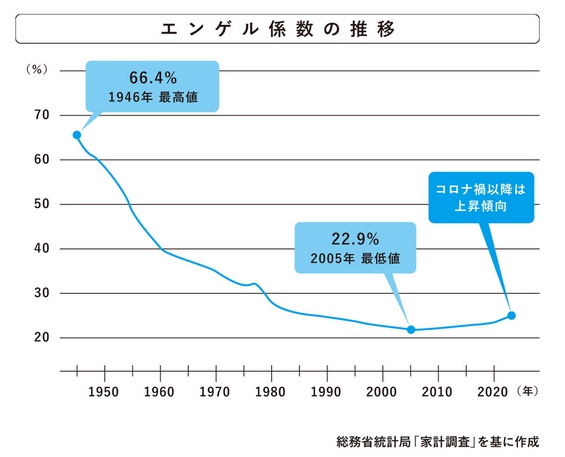
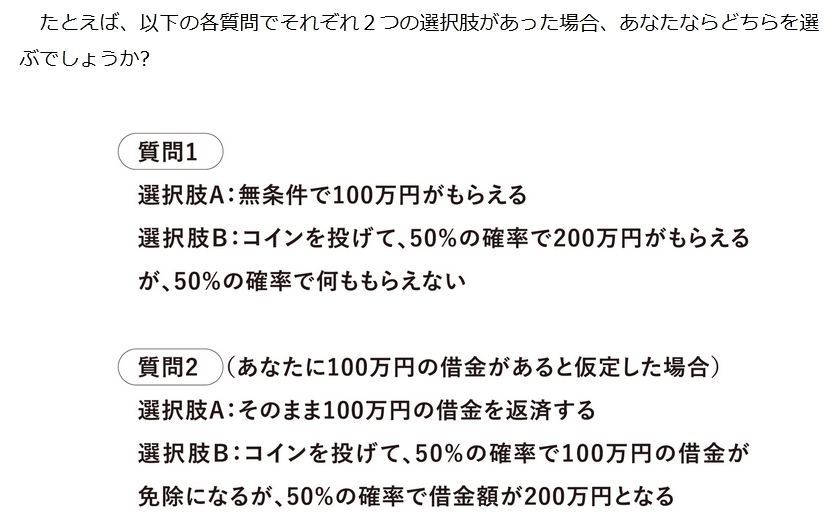

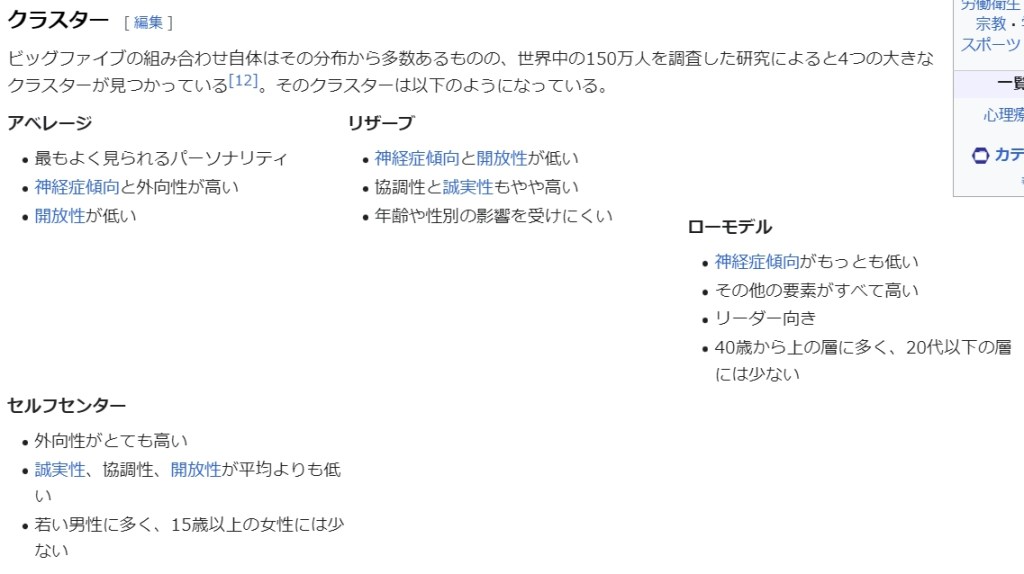


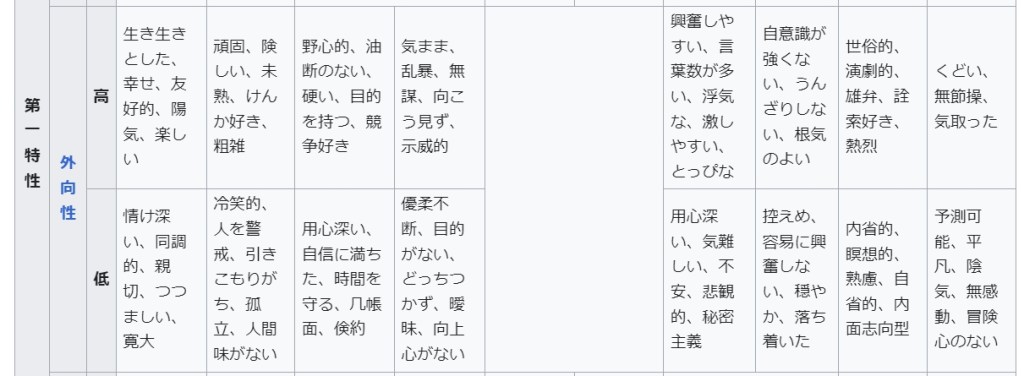


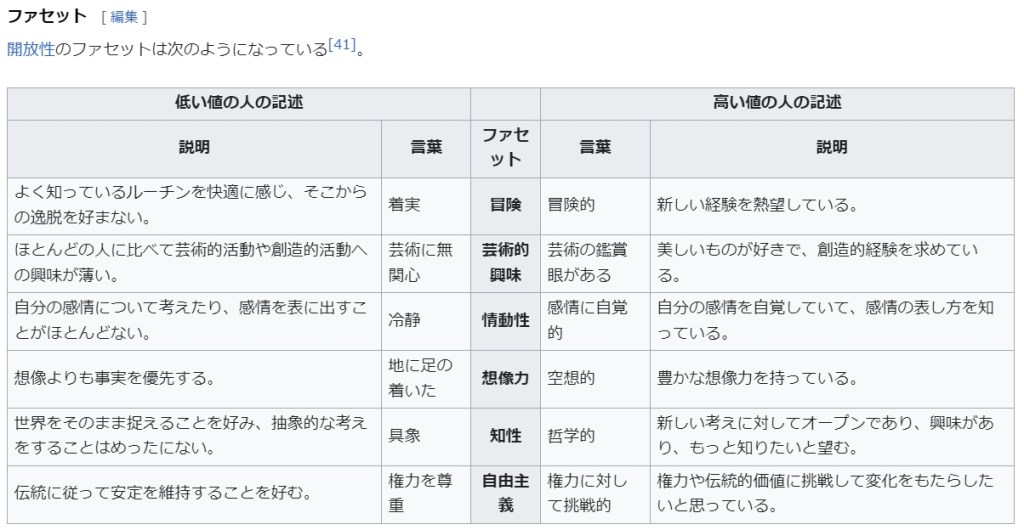
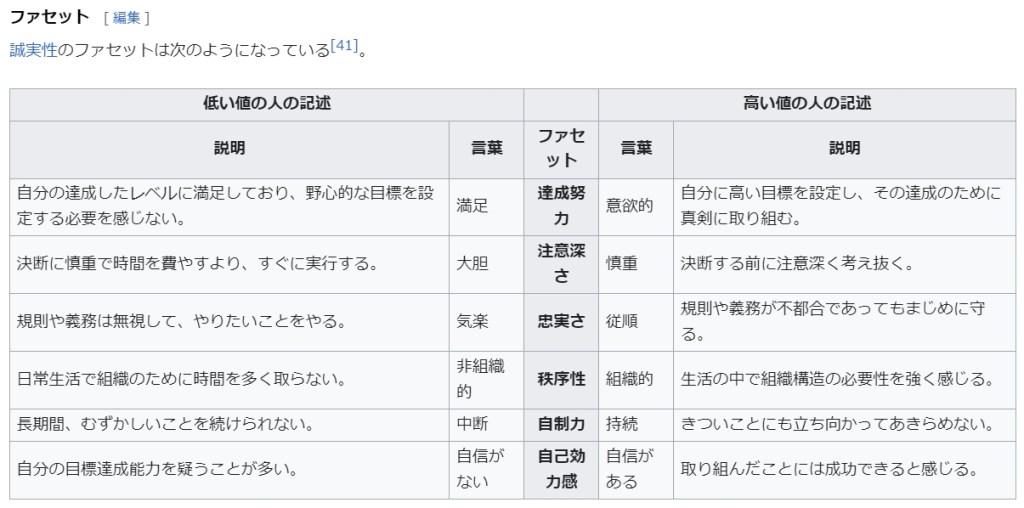
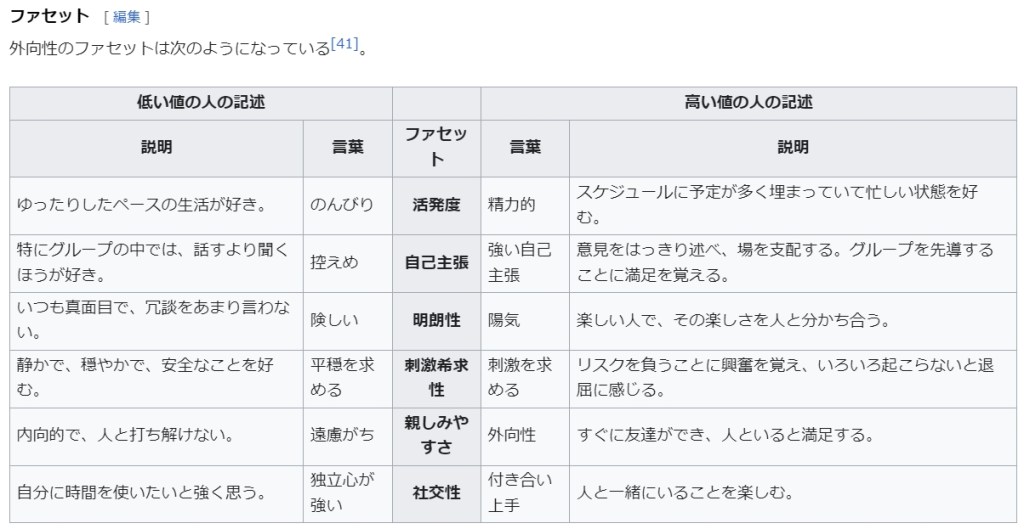
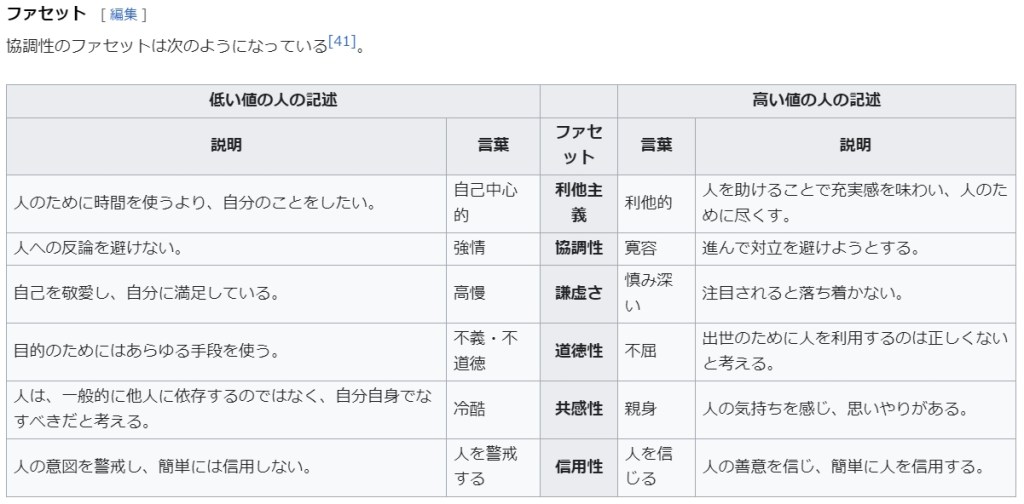
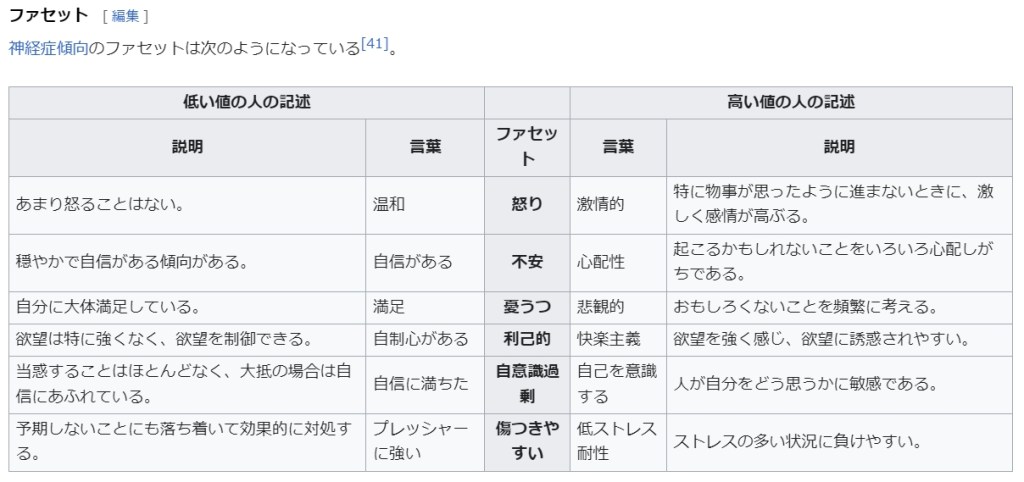

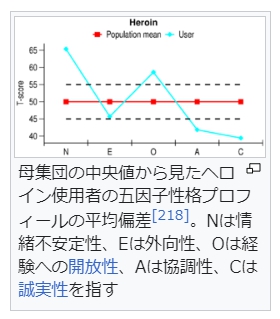
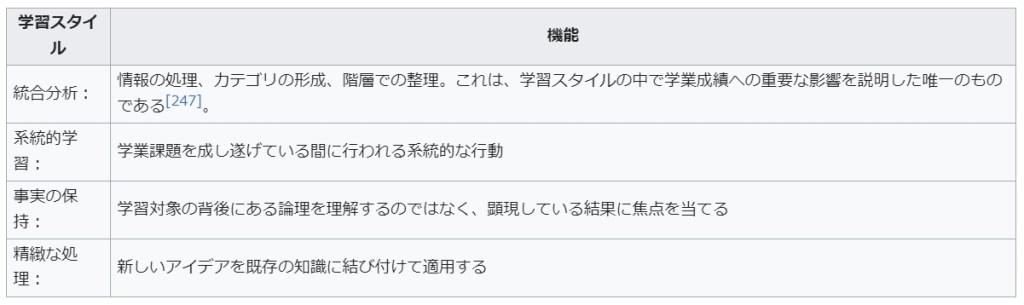
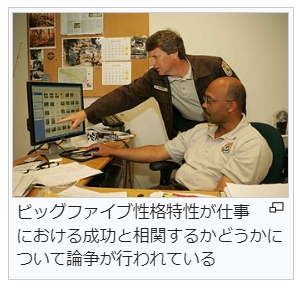
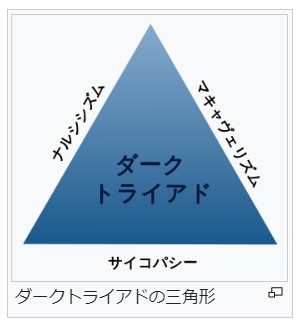
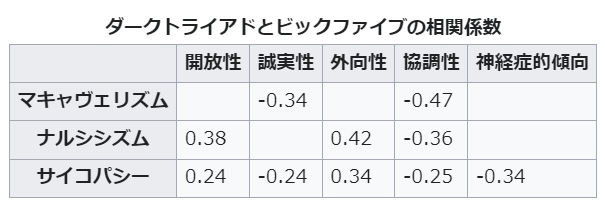




 ジジイがあれこれ考えた